






What's Happening?
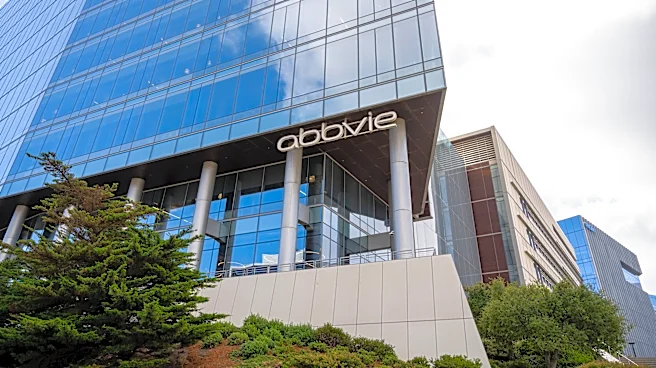
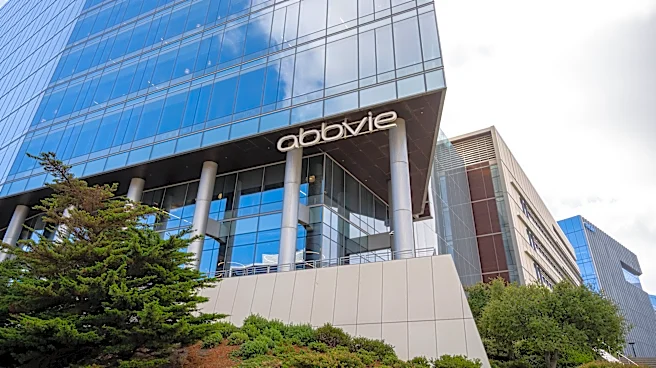
AbbVie, a global biopharmaceutical company, is establishing a new manufacturing campus in Durham, North Carolina. This expansion aims to enhance the company's capacity to produce medicines, particularly in the therapeutic areas of immunology, oncology,
and neuroscience. The new facility will integrate advanced manufacturing techniques, cutting-edge laboratory technologies, and artificial intelligence to streamline production processes. The initial phase of the project includes the construction of manufacturing facilities, next-generation laboratories, a warehouse, administrative offices, and employee wellness amenities. This strategic investment underscores AbbVie's commitment to innovation and its mission to deliver solutions for serious health issues. The company is actively recruiting for various roles to staff the new campus, including a Senior Manager, Upstream, indicating a focus on building a robust operational team for the new site. This development is part of AbbVie's broader strategy to strengthen its global supply chain and accelerate the delivery of its diverse portfolio of medicines.
Why It's Important?
The establishment of AbbVie's new manufacturing campus in Durham, North Carolina, holds significant importance for both the pharmaceutical industry and the regional economy. For the industry, it represents a substantial investment in advanced manufacturing capabilities, potentially setting new benchmarks for efficiency and technological integration in drug production. This expansion could lead to faster development and delivery of critical medicines, benefiting patients globally. Economically, the new campus is expected to create numerous job opportunities in the Research Triangle area, attracting skilled professionals in engineering, science, and operations. This influx of jobs and investment will bolster North Carolina's reputation as a hub for biotechnology and pharmaceutical innovation. Furthermore, the integration of AI and advanced laboratory technologies could drive further advancements in biopharmaceutical manufacturing processes, influencing industry standards and practices. The increased production capacity will also help AbbVie meet growing demand for its key therapeutic products, solidifying its market position.
What's Next?
Following the announcement of its new manufacturing campus in Durham, North Carolina, AbbVie will proceed with the construction and development of the facility. The company is actively recruiting for key leadership and operational roles, such as the Senior Manager, Upstream, to build the team that will oversee the design, start-up, and operation of the new site. Over the coming months and years, AbbVie will focus on equipping the campus with advanced manufacturing and laboratory technologies, integrating AI into its production workflows, and ensuring compliance with regulatory standards. Stakeholders, including local government officials and economic development agencies, will likely monitor the progress of the project due to its significant economic impact. The successful launch of this campus will enable AbbVie to scale up production of its immunology, oncology, and neuroscience medicines, potentially leading to increased market availability and faster patient access to treatments. Further recruitment drives for scientific, engineering, and manufacturing personnel are anticipated as the campus moves closer to operational readiness.
Beyond the Headlines
AbbVie's investment in a new, technologically advanced manufacturing campus in Durham, North Carolina, signals a broader trend within the pharmaceutical industry towards enhancing domestic production capabilities and leveraging cutting-edge technologies. The integration of AI and advanced laboratory systems suggests a strategic move to future-proof manufacturing processes, making them more resilient, efficient, and adaptable to evolving scientific discoveries and market demands. This could lead to a paradigm shift in how biopharmaceuticals are produced, emphasizing precision, speed, and quality control. Ethically, this expansion could contribute to greater drug accessibility and affordability by optimizing production costs and reducing supply chain vulnerabilities. Environmentally, the design and operation of such a modern facility will likely incorporate sustainable practices, aligning with growing corporate responsibility expectations. The long-term implications include strengthening the U.S. biopharmaceutical manufacturing base, fostering innovation in related technological sectors, and potentially influencing public policy discussions around pharmaceutical supply chain security and advanced manufacturing incentives.