





What's Happening?
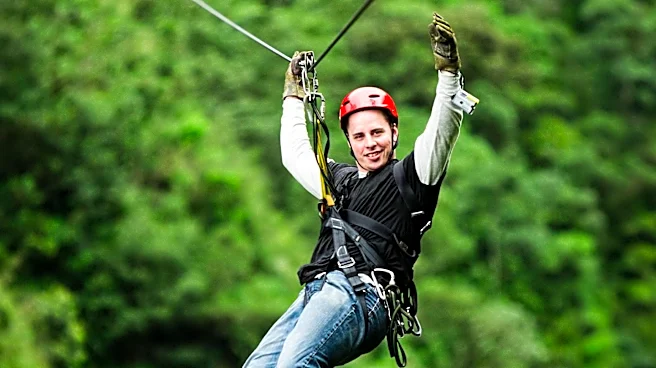
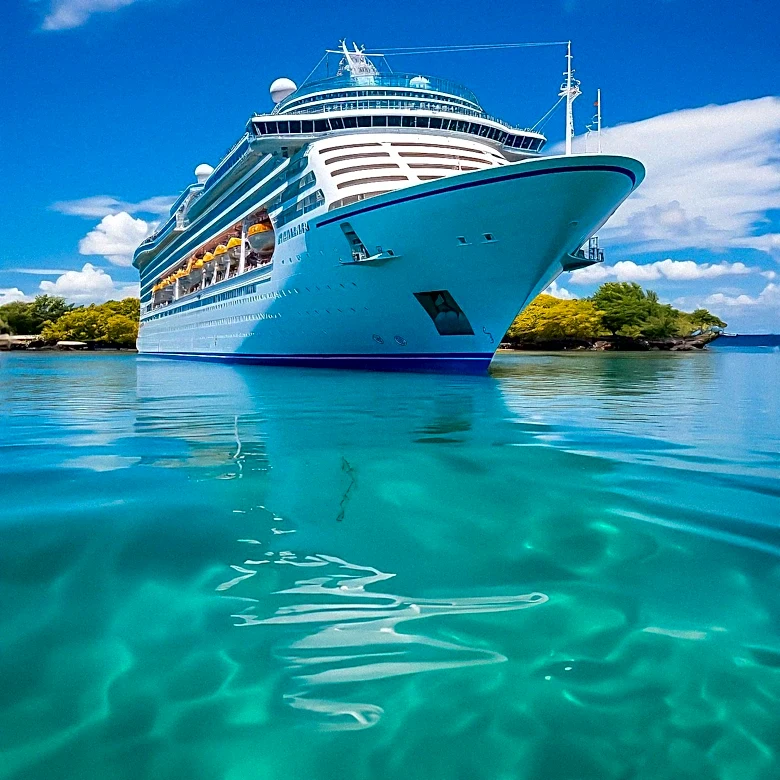
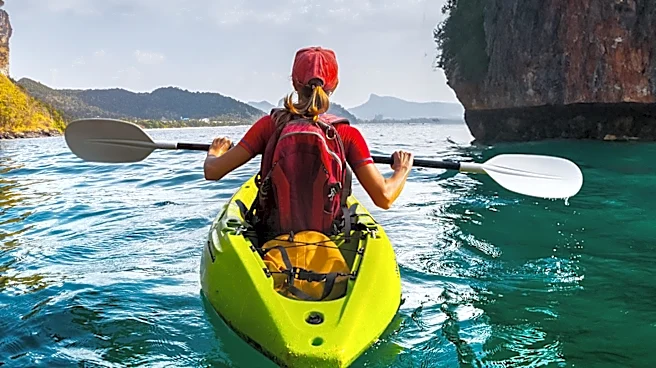
Soft adventure travel is emerging as a distinct segment within the adventure tourism market, characterized by its blend of moderate physical activities and relaxing leisure experiences. Unlike high-intensity extreme adventures, soft adventure focuses
on accessible activities that cater to a broader range of travelers. For instance, a soft adventure trip in Cape Town might include scenic sunset views, immersive cultural explorations, and tranquil beach moments. Similarly, events in Antigua & Barbuda are designed around soft adventure, featuring culinary experiences, engagement with local art, and participation in food festivals. This approach allows travelers to experience adventure without the demanding physical rigor often associated with traditional adventure tourism, making it an appealing option for those seeking a balanced and enriching travel experience.
Why It's Important?
The rise of soft adventure travel signifies a significant shift in the tourism industry, broadening the appeal of adventure-based vacations to a wider demographic. This trend is particularly important for the U.S. tourism market as it can attract individuals who desire active engagement with their destinations but prefer less strenuous options. Businesses in the hospitality and travel sectors stand to gain by developing tailored packages that combine comfortable accommodations with moderate adventure activities, such as guided nature walks, cultural workshops, or culinary tours. This approach can lead to increased bookings and revenue by tapping into a market segment that might otherwise shy away from traditional adventure travel. Furthermore, it encourages local economies to develop and promote cultural and natural attractions in a way that is accessible and enjoyable for a diverse group of visitors, fostering sustainable tourism practices.
What's Next?
Looking ahead, the soft adventure travel segment is expected to continue its growth trajectory, prompting travel agencies and hospitality providers to innovate their offerings. We can anticipate a greater emphasis on creating integrated adventure packages that seamlessly combine lodging, meals, and activities, ensuring a stress-free experience for travelers. This will likely involve increased collaborations between hotels, resorts, and certified adventure operators to offer curated experiences that meet global safety standards. Destinations, both within the U.S. and internationally, will likely invest more in promoting their unique cultural and natural assets through soft adventure lenses, such as developing more accessible trails, cultural immersion programs, and local food experiences. The focus will be on providing authentic and enriching experiences that cater to travelers seeking a balance between excitement and relaxation.
Beyond the Headlines
The growing popularity of soft adventure travel reflects a deeper societal trend towards experiential consumption and a desire for more meaningful, yet comfortable, engagement with the world. This shift has ethical implications, as it encourages destinations to focus on sustainable tourism that respects local cultures and environments, rather than solely catering to high-impact, adrenaline-driven activities. It also highlights a cultural evolution where 'adventure' is redefined to include intellectual and sensory exploration, not just physical exertion. For the U.S., this could mean a renewed focus on promoting national parks, historical sites, and diverse cultural landscapes through accessible and engaging programs. The long-term impact could be a more inclusive and sustainable tourism industry that prioritizes well-being, cultural exchange, and environmental stewardship, appealing to a broader spectrum of travelers who seek both comfort and discovery.