







What's Happening?
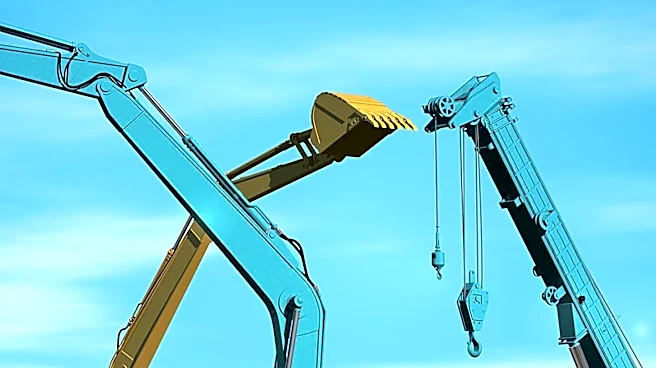
LiuGong is launching its 924FE 30-ton electric excavator in North America, positioning it as a superior alternative to traditional diesel-powered machines. This electric heavy-duty vehicle (HDEV) is equipped with a 528 kWh LFP battery, designed to provide
up to 10 hours of continuous operation, sufficient for a full day's work shift. The company highlights that the 924FE can be recharged from 15% to 100% in under three hours, with a 10-80% charge achievable in approximately 90 minutes using a 300 kW DC connection. Beyond its operational capabilities, LiuGong emphasizes the potential for substantial cost savings, estimating a 40% to 50% reduction in operating expenses compared to diesel counterparts. These savings are attributed to lower fuel costs, reduced maintenance requirements, and fewer replacement parts. The electric excavator also comes with a five-year or 10,000-hour warranty for its battery packs and electric motors, and a three-year or 4,000-hour warranty for the complete machine.
Why It's Important?
The introduction of LiuGong's 924FE electric excavator to the North American market signifies a notable shift towards electrification in the heavy construction equipment sector. This development is crucial for U.S. industries, particularly construction and infrastructure, as it offers a viable pathway to reduce operational costs and environmental impact. The projected 40% to 50% reduction in operating expenses could lead to significant financial benefits for construction companies, potentially freeing up capital for other investments or allowing for more competitive project bidding. Furthermore, the adoption of electric excavators aligns with broader sustainability goals and regulatory pressures to reduce carbon emissions, contributing to a cleaner operational footprint for construction sites. The extended warranties on key electric components also provide a level of assurance for businesses considering the transition from diesel to electric machinery, mitigating some of the perceived risks associated with new technology adoption. This move could also influence workforce dynamics, as electric vehicles are often associated with increased operator retention and easier recruitment due to improved working conditions.
What's Next?
Following its North American debut, the LiuGong 924FE electric excavator is expected to be integrated into various construction and infrastructure projects across the U.S. The market will likely observe how the promised operational cost reductions and performance benefits translate into real-world applications. Potential next steps include increased adoption by construction firms looking to modernize their fleets and meet sustainability targets. The availability of a battery swap version, which LiuGong lists on its global sites and is compatible with other heavy equipment assets, suggests future flexibility and efficiency for continuous operations. This could lead to the development of more robust charging infrastructure and battery exchange networks to support widespread electric heavy equipment use. Competitors in the heavy machinery sector will likely monitor the 924FE's market performance, potentially accelerating their own electric vehicle research and development to remain competitive in an evolving industry landscape.
Beyond the Headlines
The arrival of advanced electric heavy machinery like the LiuGong 924FE has deeper implications beyond immediate cost savings and environmental benefits. It represents a broader technological and cultural shift within the construction industry, traditionally reliant on fossil fuels. The reduced noise pollution and absence of exhaust fumes on job sites could significantly improve working conditions for operators and nearby communities, potentially leading to better health outcomes and increased public acceptance of construction projects. Moreover, the emphasis on operator comfort, with features like a 10-inch touchscreen, 360-degree cameras, and a heated air-suspension seat, highlights a growing trend towards human-centric design in industrial equipment. This focus on operator well-being could address labor shortages by making the profession more attractive. The long-term impact could also include a re-evaluation of energy infrastructure, as the demand for high-capacity charging solutions for heavy equipment grows, potentially driving innovation in grid management and renewable energy integration for industrial applications.