






What's Happening?
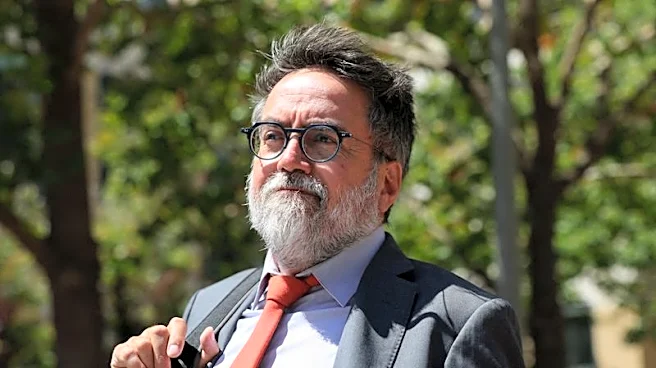
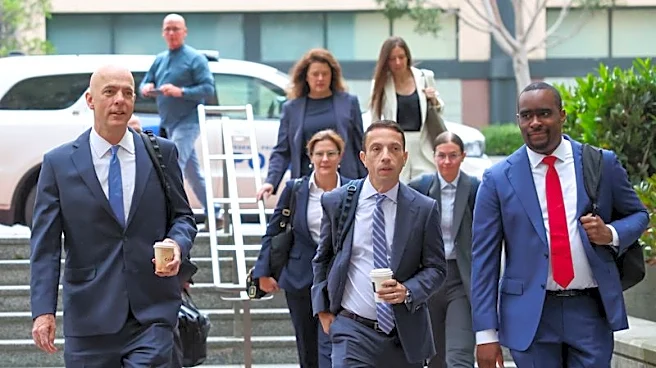
Arturo Béjar, a former Meta safety engineer and whistleblower, testified in a federal courtroom in Oakland, California, alleging that Meta's company culture, driven by Mark Zuckerberg, made it "practically impossible" to effectively address safety and well-being
issues on its platforms. Béjar, who led Facebook’s Protect and Care team for six years and consulted on Instagram’s well-being team, stated that features designed to support mental health and counter social media addiction were "designed to fail." He likened these features to car brakes placed in the trunk, requiring users to find and install them before use. Béjar's testimony is part of a landmark child safety trial where California and a coalition of states accuse Meta of intentionally designing products to hook children and teens. Meta, which owns Instagram, Facebook, and WhatsApp, has denied these allegations, asserting its role in addressing teen well-being and its efforts to improve safety features.
Why It's Important?
This testimony is significant as it directly challenges Meta's public stance on child safety and could have profound implications for the social media industry. If the court finds Meta liable, it could lead to stricter regulations on how social media platforms design their products, particularly concerning features that impact minors. The case highlights the ongoing tension between user engagement metrics and user well-being, especially for vulnerable populations like children and teens. A ruling against Meta could set a precedent for increased corporate accountability in the tech sector, potentially forcing companies to re-evaluate their product development strategies to prioritize safety over growth. This trial also underscores the power of whistleblower testimonies in shedding light on internal corporate practices and influencing public and legal discourse around technology's societal impact.
What's Next?
The trial will continue with further testimonies and evidence presented by both the states' attorneys general and Meta's legal team. The court will scrutinize Meta's internal communications, design choices, and research related to child and teen users. Following the trial, a judgment will determine whether Meta is found liable for intentionally designing harmful products. Regardless of the verdict, the proceedings are likely to intensify public and legislative pressure on social media companies to implement more robust child safety measures. This could lead to new legislative proposals at both state and federal levels aimed at protecting minors online, potentially influencing how all social media platforms operate in the U.S. and beyond. The outcome could also encourage more whistleblowers to come forward, further exposing internal practices within the tech industry.
Beyond the Headlines
The trial delves into the ethical responsibilities of technology companies and the long-term societal implications of their design choices. Béjar's testimony about Meta's culture, where "Move Fast and Break Things" was a guiding principle and safety was often an afterthought, raises fundamental questions about corporate ethics in the digital age. The concept of "math with harm," where Meta allegedly weighed the benefits to some children against the harm to others, highlights a utilitarian approach that critics argue is insufficient when dealing with the well-being of minors. This case could trigger a broader re-evaluation of how technology is developed and deployed, pushing for a shift from a growth-at-all-costs mentality to one that prioritizes user safety and ethical design from the outset. It also brings to the forefront the psychological impact of social media on developing minds, prompting a societal conversation about digital literacy and parental controls.