



What's Happening?
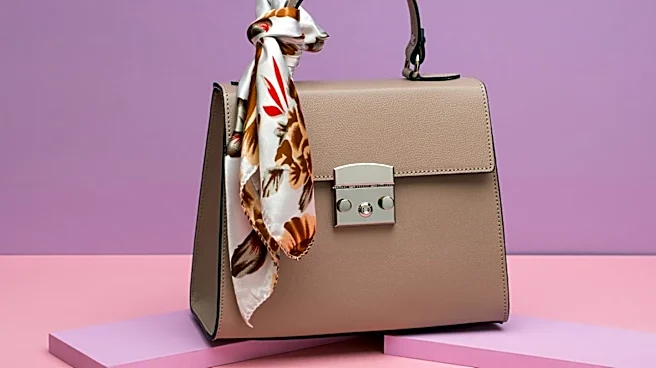
Bag charms are increasingly popular decorative accessories used to customize handbags, totes, and other carry pieces. These charms, which attach to bags, have evolved beyond simple leather tags or keyring-style items into imaginative designs featuring
miniature objects, animals, characters, initials, colorful motifs, and sculptural details. Their widespread appeal stems from their ability to easily personalize a bag and inject personality without compromising its functionality. A carefully chosen charm can refresh a familiar handbag, transforming an everyday item into a unique expression of personal style. Brands like Anya Hindmarch offer luxury options that blend playful motifs with polished craftsmanship, suitable for both contemporary and classic handbags. The styling of bag charms involves considering proportion, color, texture, and visual balance to ensure the charm complements the bag's shape and character. Whether opting for a single statement piece or a curated cluster, the goal is to create an intentional detail that enhances the bag's aesthetic.
Why It's Important?
The rise of bag charms signifies a broader trend in the fashion industry towards personalization and individual expression. This movement allows consumers to update their existing accessories and reflect their unique style without the need to purchase entirely new handbags. For designers and brands, bag charms represent a lucrative opportunity to offer accessible luxury items that can drive repeat purchases and foster brand loyalty. The versatility of these charms, allowing them to be swapped out for different occasions or moods, encourages consumers to build collections, further boosting sales in the accessories market. This trend also highlights a shift in consumer behavior, where individuality and the ability to customize products are highly valued. The emphasis on thoughtful craftsmanship and quality materials in designer charms suggests a market for durable, collectible items that transcend fleeting trends, offering long-term value to consumers and sustained revenue for manufacturers.
What's Next?
The trend of bag charms is expected to continue evolving, with designers likely to introduce more innovative materials, interactive features, and collaborative collections. We may see an increase in modular and customizable charm systems, allowing for even greater personalization and interchangeability. The integration of smart technology into bag charms, offering functionalities beyond mere decoration, could also emerge as a future development. As sustainability becomes a more prominent concern, brands might focus on producing eco-friendly charms made from recycled or ethically sourced materials. Additionally, the market for collectible and limited-edition charms is likely to expand, appealing to consumers who view these accessories as investments or unique expressions of their interests. Retailers will likely continue to highlight styling tips and curated collections to inspire consumers and encourage creative use of these versatile accessories, solidifying their place as a staple in personal fashion.
Beyond the Headlines
Beyond their immediate fashion appeal, bag charms reflect deeper cultural shifts towards self-expression and the desire for unique identity in an increasingly standardized world. They serve as miniature canvases for personal narratives, allowing individuals to subtly communicate their interests, values, or affiliations. The act of selecting and styling a bag charm can be seen as a form of micro-curation, where consumers become active participants in shaping their personal aesthetic. This trend also touches upon the psychological aspect of ownership and attachment, as charms can imbue a sense of novelty and emotional connection to everyday objects. Furthermore, the collectible nature of designer charms hints at a growing appreciation for small-scale artistry and craftsmanship, transforming functional accessories into cherished keepsakes. This phenomenon underscores how even minor additions can significantly impact personal style and consumer engagement with fashion.