





What's Happening?
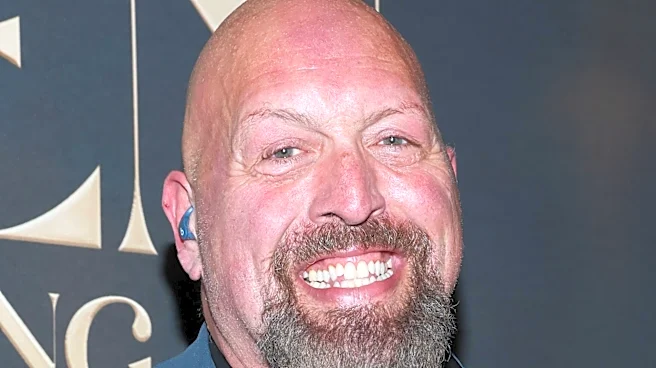
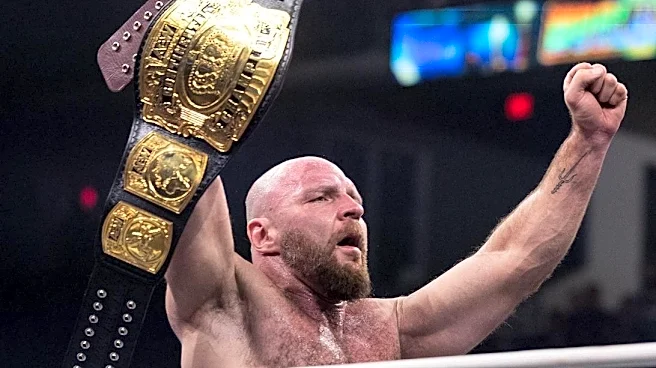
Paul Wight, a former WWE and current AEW talent, claims that contractual agreements between WWE and various venues have limited where All Elite Wrestling (AEW) can host its shows. Speaking on 'Inside the Ring,' Wight stated that AEW has been unable to
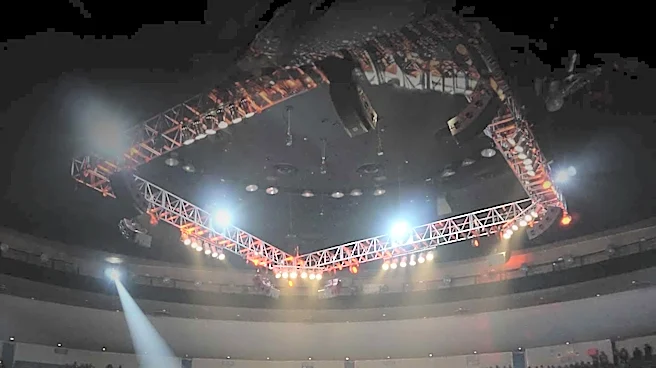
book certain venues, even those they believed they could fill, due to clauses preventing other wrestling events from taking place within 90 days before or after a WWE event. Wight, who spent over two decades with WWE, argued that direct comparisons between the seven-year-old AEW and the decades-old WWE are unfair, citing WWE's long history of dominance and its alleged practices to 'snuff out' competition. He highlighted AEW's ongoing efforts to build a global presence, including returning to Wembley Stadium, as part of its growth process.
Why It's Important?
Paul Wight's allegations, if true, point to potential anti-competitive practices within the professional wrestling industry, where a dominant company like WWE could leverage its market position to hinder competitors. This could significantly impact AEW's ability to expand its reach, attract new fans, and generate revenue, as venue access is crucial for live event promotion. Such practices could limit consumer choice by restricting the availability of diverse wrestling products in certain markets. For the broader entertainment industry, these claims raise questions about fair competition and the potential for established entities to create barriers to entry for newer players. It underscores the challenges faced by emerging companies in highly consolidated markets, affecting their growth trajectory and overall market share.
What's Next?
If these allegations gain wider attention, they could prompt scrutiny from regulatory bodies regarding fair competition in the entertainment industry. AEW might explore legal avenues or public relations campaigns to address these perceived restrictions. For fans, this information could influence their perception of both WWE and AEW, potentially leading to increased support for the challenger brand. AEW will likely continue to focus on securing venues where such restrictions are not in place or are less stringent, and explore international markets where WWE's influence might be different. The ongoing competition between the two promotions will continue to be shaped by these logistical and contractual challenges.
Beyond the Headlines
Beyond the immediate competitive implications, Wight's claims highlight the ethical considerations of market dominance. The alleged venue clauses could be seen as a form of exclusionary practice, potentially stifling innovation and limiting the overall growth of the professional wrestling industry by making it harder for new promotions to thrive. This situation also brings to light the power dynamics between major entertainment companies and venue operators, where long-standing relationships and financial incentives can create significant barriers for smaller entities. It raises questions about the responsibility of market leaders to foster a competitive environment versus maximizing their own advantage, and the long-term impact on the diversity and accessibility of entertainment options for consumers.