





What's Happening?
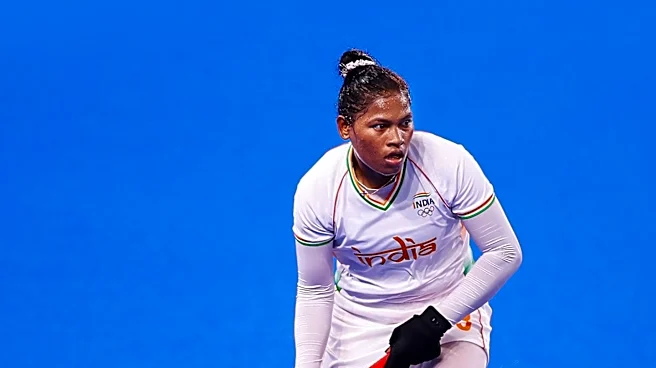
The 2030 Winter Olympics, set to take place in the French Alps, will see women's hockey teams expand their rosters to 25 players, aligning with the men's teams which have had 25-player rosters since the 2014 Sochi Olympics. This change was quietly included
in the event program released by the organizers. The upcoming Winter Games are being promoted as the first to achieve gender balance, with 1,525 women and 1,521 men participating across 126 events. Women's hockey, which made its Olympic debut in 1998, is experiencing growth, with the Professional Women's Hockey League (PWHL) expanding to 12 teams. The Olympic hockey events will be held in Lyon, following opposition from Nice's mayor to convert a soccer stadium into temporary rinks. The U.S. women's team, which has won gold three times, most recently in 2026, will compete against Canada, a five-time gold medalist.
Why It's Important?
The expansion of women's hockey rosters at the Olympics is a significant step towards gender equality in sports, reflecting broader societal shifts towards inclusivity. This change not only provides more opportunities for female athletes but also enhances the competitive nature of the sport. The decision aligns with the International Olympic Committee's efforts to promote gender parity, which could influence other sports to adopt similar measures. The growth of women's hockey, as seen in the PWHL's expansion, indicates increasing interest and investment in women's sports, potentially leading to greater media coverage, sponsorship, and fan engagement. This development could inspire young female athletes and contribute to the long-term sustainability and popularity of women's hockey.
What's Next?
As the 2030 Olympics approach, national teams will begin selecting and training their expanded rosters, which may involve strategic adjustments to accommodate the additional players. The PWHL's growth suggests that more players will have the opportunity to develop their skills at a professional level, potentially raising the overall standard of play at the Olympics. Organizers will continue to prepare the venues in Lyon, ensuring they meet the requirements for hosting the hockey events. The increased visibility of women's hockey at the Olympics could lead to further discussions about gender equality in other sports, prompting additional reforms. Stakeholders, including sports federations and sponsors, may explore new initiatives to support and promote women's sports globally.