










What's Happening?
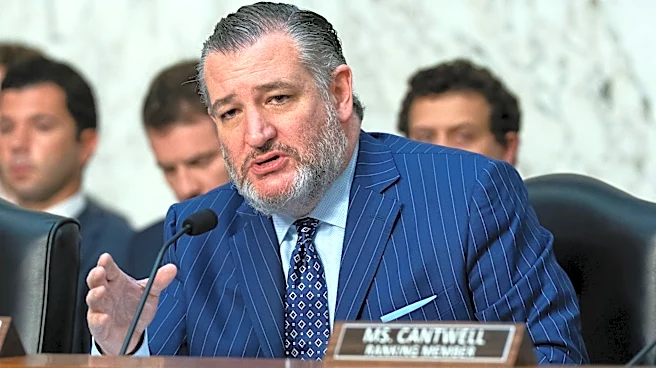
The Senate Commerce Committee has advanced the bipartisan Protect College Sports Act with a 19-9 vote, moving it closer to becoming law. This legislation aims to establish a national framework for athlete compensation, transfer guidelines, and healthcare
protections in college sports. It also addresses the current revenue-sharing model, providing legal protection for the NCAA and its conferences. However, the bill lacks support from major conferences like the SEC and the Big Ten, which are concerned about insufficient protection from future lawsuits and revenue distribution issues. The bill proposes that NIL (Name, Image, Likeness) deals adhere to fair-market-value standards and introduces expanded supervision. Additionally, it limits athletes to one unrestricted transfer during their collegiate career. The legislation is expected to bring clarity and stability to programs like the University of Florida, particularly in roster building and player retention.
Why It's Important?
The advancement of the Protect College Sports Act is significant as it represents the first major federal regulation in the NIL era, potentially reshaping the landscape of college athletics. By establishing a national framework, the bill aims to standardize athlete compensation and transfer rules, which could lead to more equitable treatment of student-athletes across the country. The legislation also seeks to protect the NCAA and its conferences from legal challenges, which could have far-reaching implications for how college sports are governed. The lack of support from major conferences highlights the ongoing debate over revenue distribution and legal protections, which are critical issues in the evolving college sports industry. If passed, the bill could influence how college programs operate for the next decade, impacting athletes, universities, and the broader sports community.
What's Next?
The Protect College Sports Act will now proceed to the Senate for further consideration. As the bill moves forward, it is likely to face continued scrutiny and debate, particularly from major conferences concerned about its implications. Stakeholders, including universities, athletic programs, and student-athletes, will be closely monitoring the legislative process to understand how the new regulations might affect them. The outcome of this legislation could prompt further discussions on athlete compensation and the governance of college sports, potentially leading to additional reforms in the future.