








What's Happening?
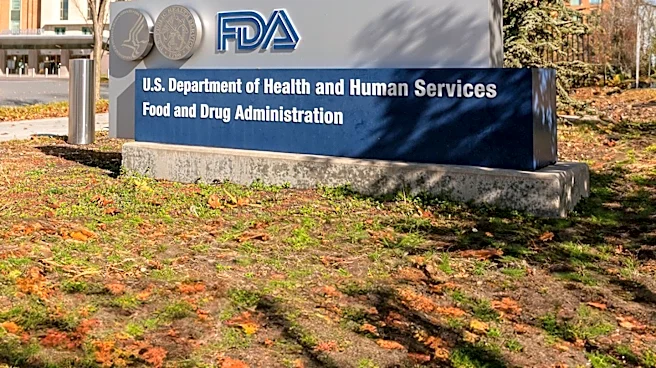
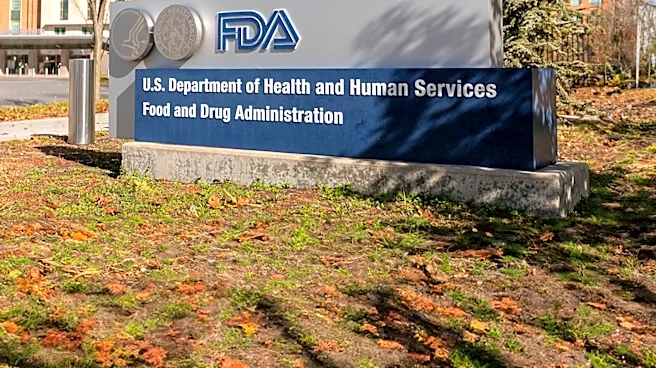
Public Citizen, a consumer advocacy group, is urging the Commodity Futures Trading Commission (CFTC) to prohibit or strictly regulate prediction markets that allow betting on clinical trial results and FDA regulatory decisions. This call comes after Kalshi,
a New York-based prediction-market platform, launched a pilot program in July 2026 enabling such bets. While sports betting constitutes the majority of Kalshi's activity, the platform now offers event contracts on outcomes like whether late-stage clinical trials will meet their primary endpoints, the approval timeline for investigational drugs, and the FDA's approval of psychedelic substances for medical use. Public Citizen's Health Research Group Director, Robert Steinbrook, M.D., argues that these markets, despite safeguards against insider trading and limitations to late-stage trials, threaten the scientific integrity of clinical research. The group emphasizes that clinical research relies on public trust and aims to advance medical knowledge, not to provide information for financial speculation.
Why It's Important?
The expansion of prediction markets into clinical trial outcomes and FDA decisions raises significant ethical and practical concerns for the U.S. healthcare and financial sectors. The integrity of medical research is paramount, as it directly impacts public health and the development of new treatments. Allowing financial speculation on these outcomes could create perverse incentives, potentially influencing the conduct or reporting of trials, or even leading to leaks of nonpublic information. This could undermine public trust in the drug development process and the regulatory oversight of the FDA. While proponents argue these markets create accurate probabilities for investors, critics fear they could transform critical health research into a gambling enterprise, where those with insider information could unfairly profit, potentially at the expense of patient well-being and scientific rigor. The CFTC's response will set a precedent for how financial innovation intersects with sensitive public interest areas like healthcare.
What's Next?
Public Citizen is advocating for the CFTC to either ban these types of prediction markets entirely or establish a robust regulatory framework. This framework would, at a minimum, forbid betting by anyone with nonpublic information. The CFTC, as the overseeing body for prediction markets in the U.S., will need to evaluate these concerns and determine its course of action. This could involve new rulemaking, enforcement actions, or a public consultation process to gather input from stakeholders. The outcome of this regulatory debate will significantly impact the future of prediction markets in the healthcare space and could influence how other sensitive, non-financial outcomes are treated in financial markets. The discussion will likely involve balancing financial innovation with the need to protect the integrity of scientific research and public trust.
Beyond the Headlines
The debate over prediction markets in healthcare extends beyond immediate regulatory concerns, touching upon deeper ethical and societal implications. The commercialization of scientific outcomes, particularly in areas involving human health, raises questions about the fundamental purpose of research. If clinical trials become viewed primarily as financial instruments, it could shift focus away from patient welfare and scientific discovery towards profit motives. This development also highlights the ongoing challenge of regulating emerging financial technologies that can quickly outpace existing legal frameworks. The potential for 'anti-analogues' – historical practices that were rejected due to their detrimental impact – could be invoked if these markets lead to widespread ethical breaches. The long-term impact could be a re-evaluation of how financial markets interact with and potentially influence critical public goods and services, prompting broader discussions about the boundaries of financial speculation.