






What's Happening?
Governor Patrick Morrisey of West Virginia has announced a new $40 million investment aimed at enhancing industrial site readiness across the state. This initiative, detailed in a press conference, is designed to stimulate economic growth and improve
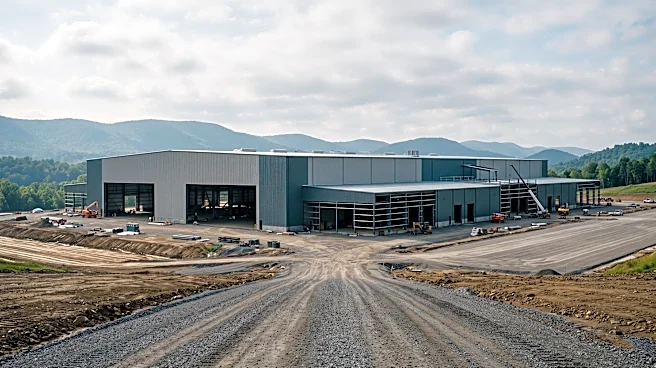
West Virginia's competitiveness in attracting businesses. The funding will be distributed through two primary programs managed by the state Economic Development Authority (EDA): the Mountain State Ready Shell Building Loan Program and the Mountain State Site Readiness Grant Program. The shell building program will allocate $25 million in loans, up to $5 million each, to local communities for constructing prefabricated industrial buildings ranging from 30,000 to 50,000 square feet. These loans offer deferred payments for up to two years post-construction or until the building is leased or sold. Businesses occupying these shell buildings must commit to paying at least 120% of the county's median wage and create one job for every 750 square feet of space. The remaining $15 million will fund the Mountain State Site Readiness Grant Program, targeting undeveloped land with high economic potential for necessary improvements such as environmental testing, engineering, grading, road access, and utility extensions. Grant recipients must commence site work within six months, with priority given to sites that already have prospective employer interest or co-investment commitments.
Why It's Important?
This $40 million investment is significant for West Virginia as it represents the largest competitive site development initiative in the state's history. By focusing on fundamental infrastructure and site preparation, Governor Morrisey aims to create a more attractive environment for businesses, moving away from what he describes as 'corporate welfare' or expensive bidding wars with other states. The initiative is expected to accelerate the 'speed to build' for new companies, leveraging West Virginia's energy resources and investing in its workforce. The requirement for businesses to meet specific wage and job creation thresholds ensures that the investment directly contributes to raising the standard of living and combating poverty within the state. This strategic approach seeks to generate sustainable economic development by providing ready-to-use industrial spaces and prepared land, thereby reducing barriers for companies looking to establish or expand operations in West Virginia. The focus on foundational elements like roads, bridges, and workforce development is intended to yield long-term economic benefits and job growth.
What's Next?
The newly launched programs, the Mountain State Ready Shell Building Loan Program and the Mountain State Site Readiness Grant Program, will begin accepting applications and distributing funds through the EDA. Local communities and developers are expected to engage with these programs to secure funding for their respective projects. The success of this initiative will be measured by the number of new industrial sites developed, the speed at which businesses can establish operations, and the resulting job creation and wage increases across the state. Governor Morrisey's administration will likely monitor the progress of these projects and their impact on West Virginia's economic competitiveness. Further announcements regarding specific site developments and business relocations are anticipated as the initiative gains momentum. The state's focus on 'fundamentals' suggests a sustained effort to improve infrastructure and workforce capabilities as a core strategy for economic development, potentially influencing future policy decisions and resource allocation.
Beyond the Headlines
This initiative reflects a broader strategic shift in West Virginia's economic development approach, prioritizing foundational investments over direct corporate incentives. By emphasizing 'speed to build' and leveraging existing resources, the state aims to create a more organic and sustainable growth model. This approach could serve as a case study for other states grappling with similar economic development challenges, particularly those in regions seeking to diversify their economies beyond traditional industries. The focus on accountability, with requirements for job creation and wage standards, also highlights a commitment to ensuring public funds yield tangible benefits for residents. Ethically, this strategy aims to avoid the pitfalls of 'race to the bottom' incentive packages that can strain state budgets without guaranteeing long-term prosperity. The long-term implications could include a more resilient and diversified industrial base for West Virginia, potentially attracting a wider range of industries and reducing reliance on any single sector.