




What's Happening?
Gardening Solutions is promoting a shift in perspective towards gardening, encouraging individuals to embrace imperfections rather than striving for an unattainable ideal. The article suggests that this approach can reduce stress and make gardening more
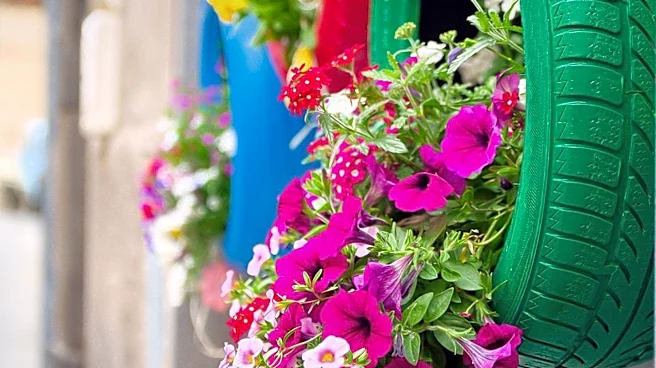
enjoyable. Key recommendations include adopting the 'right plant, right place' principle, which involves selecting plants suitable for specific site conditions and USDA Hardiness Zones to minimize maintenance. Mulching is also advised to retain soil moisture and suppress weeds, while planting drought-resistant species and installing drip irrigation can reduce water needs. The 'chop and drop' method is highlighted as a way to reuse dead plant material, turning it into healthy soil by composting in place. Furthermore, the article encourages creating wildlife habitats with deadwood and brush piles, and reusing second-hand items for hardscaping. It also advocates for allowing beneficial plant species to grow within lawns to create biodiverse landscapes.
Why It's Important?
This approach to gardening holds significant importance for U.S. homeowners and the environment. By embracing imperfection and working with nature, gardeners can reduce the time, effort, and resources typically expended on maintaining pristine landscapes. This translates to lower water consumption, reduced use of chemical fertilizers and pesticides, and less waste, aligning with broader environmental sustainability goals. The 'right plant, right place' principle helps conserve water and supports local ecosystems by promoting native or well-adapted species. Creating wildlife habitats contributes to biodiversity, which is crucial for ecological balance. For individuals, this philosophy can alleviate the pressure of maintaining a 'perfect' garden, fostering a more relaxed and fulfilling connection with their outdoor spaces. This shift can lead to more resilient landscapes that are better adapted to environmental changes, benefiting both personal well-being and the wider community.
What's Next?
The trend towards sustainable and low-maintenance gardening is expected to continue gaining momentum across the U.S. Educational initiatives from organizations like UF/IFAS Extension offices will likely play a crucial role in disseminating these principles and techniques to a wider audience. We may see an increase in demand for native and drought-tolerant plants, as well as a greater adoption of practices like composting and integrated pest management. Local communities might also encourage or incentivize homeowners to adopt Florida-Friendly Landscaping™ principles or similar regional programs. The long-term outlook suggests a more harmonious relationship between human-designed landscapes and natural ecosystems, leading to healthier environments and more engaged gardeners.
Beyond the Headlines
Embracing imperfection in gardening extends beyond practical benefits, touching upon philosophical and psychological dimensions. It challenges conventional aesthetic norms that often prioritize manicured lawns and exotic plants, which can be resource-intensive. This shift encourages a deeper appreciation for natural processes, biodiversity, and the inherent beauty of a less controlled environment. It can foster resilience in gardeners, teaching them to adapt to environmental challenges rather than fighting against them. The idea of 'progress, not perfection' can be applied to many aspects of life, promoting self-compassion and realistic expectations. By viewing a garden as an evolving ecosystem rather than a static display, individuals can cultivate a more profound connection to nature and a greater sense of peace in their outdoor spaces, contributing to overall mental well-being.