





What's Happening?
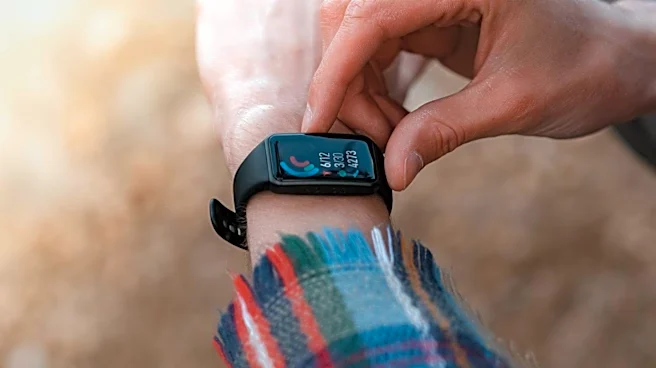
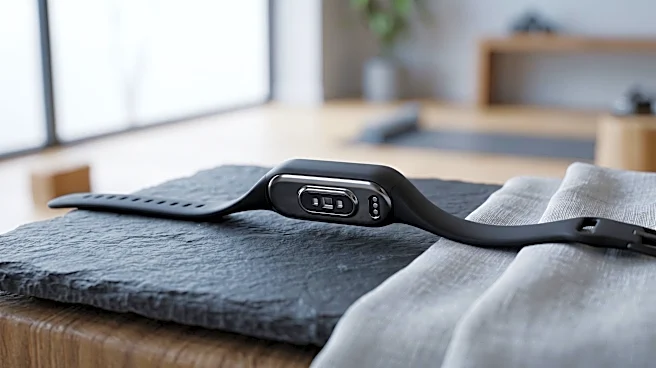
WHOOP, a company specializing in wearable health technology, is developing a new Respiratory Rate Variability (RRV) metric to provide users with more in-depth insights into their sleep and recovery. The company has patented a system that utilizes the pulse
sensor and accelerometer within its screenless fitness tracker to detect the onset of respiratory cycles and determine the respiratory cycle length (RCL). By measuring the variances between these breath onsets, WHOOP can calculate an RRV score. This new metric is distinct from Heart Rate Variability (HRV), which measures differences in time between heartbeats, and Respiratory Rate (RR), which measures average breaths per minute. RRV focuses on breath-to-breath changes within the respiratory rate, offering a more granular analysis. The patent suggests that RRV could inform recovery rates, improve sleep stage detection, assist in non-invasive detection of respiratory conditions, and even guide activities like meditation. The existing PPG sensor in WHOOP 5.0 and WHOOP MG hardware is reportedly capable of detecting respiration cycle onset by analyzing pulse data waveforms, with the accelerometer further assisting by capturing subtle chest movements during breathing.
Why It's Important?
The introduction of Respiratory Rate Variability (RRV) by WHOOP signifies a potential advancement in personalized health monitoring within the U.S. wearable technology market. This new metric could offer users a more nuanced understanding of their physiological state, moving beyond existing heart rate and general respiratory rate measurements. For individuals focused on optimizing athletic performance, managing stress, or improving sleep quality, RRV could provide actionable data to refine their routines. A low RRV score might indicate good recovery, while a high score could signal poor recovery, allowing users to adjust their training or lifestyle accordingly. This could lead to more effective health management strategies and potentially reduce the risk of overtraining or burnout. Furthermore, the potential for RRV to aid in the non-invasive detection of respiratory conditions could have broader public health implications, enabling earlier identification of potential issues and encouraging proactive medical consultation. The enhanced accuracy in sleep stage detection could also lead to more tailored advice for improving sleep hygiene, a critical component of overall well-being.
What's Next?
While WHOOP has patented the Respiratory Rate Variability (RRV) system, it is not yet clear when this technology will be integrated into their consumer products. The company will likely undergo further research, development, and validation processes to ensure the accuracy and utility of the RRV metric before a public release. Once implemented, users can expect updates to the WHOOP app and potentially firmware updates for their devices to enable RRV tracking and analysis. This could lead to new features within the app, such as personalized recommendations based on RRV scores, enhanced recovery insights, and more precise sleep stage breakdowns. Competitors in the wearable health technology space will likely monitor WHOOP's progress with RRV, potentially spurring further innovation in respiratory monitoring across the industry. The long-term impact could include a shift in how sleep and recovery are measured and understood by both consumers and health professionals, with RRV becoming a standard metric in advanced health trackers.
Beyond the Headlines
The development of Respiratory Rate Variability (RRV) by WHOOP points to a broader trend in wearable technology: the continuous pursuit of more granular and actionable physiological data. This move reflects a growing consumer demand for deeper insights into personal health beyond basic activity tracking. Ethically, as wearables collect more intimate physiological data, questions around data privacy, security, and the responsible use of such information will become increasingly pertinent. Users will need to trust that their sensitive health data is protected and used solely for their benefit. Legally, the potential for RRV to assist in the non-invasive detection of respiratory conditions could blur the lines between wellness devices and medical devices, potentially inviting increased scrutiny from regulatory bodies like the FDA. Culturally, the integration of such advanced metrics could further normalize the use of technology for self-optimization, potentially influencing societal perceptions of health, performance, and the role of data in daily life. This could lead to a more data-driven approach to personal well-being, but also raises concerns about potential over-reliance on technology for health assessments.