





What's Happening?
Ubud, located in central Bali, is highlighted as a prime destination for travelers seeking a blend of cultural immersion and adventurous activities. Its central location makes it an ideal base for exploring various attractions across the island. Visitors
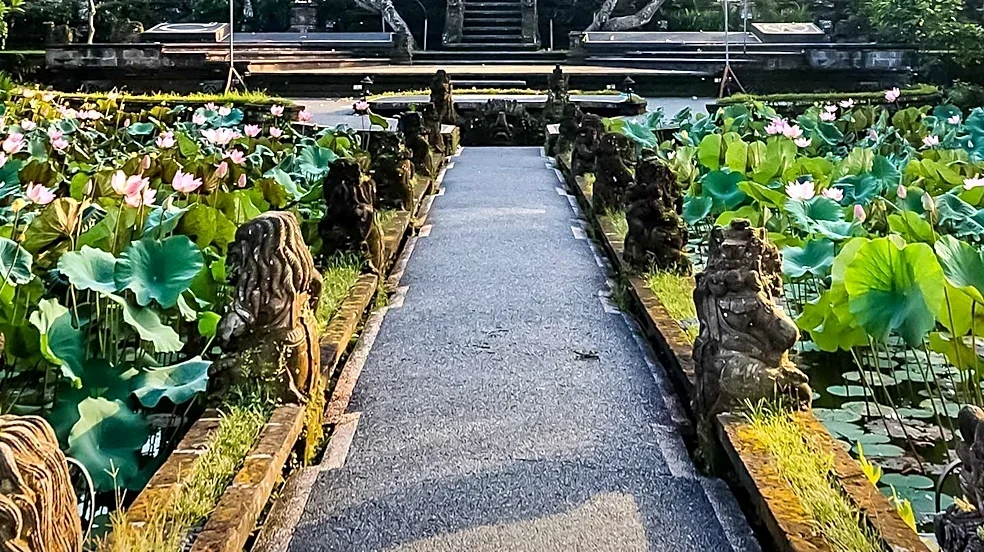
to Ubud can engage in a wide range of experiences, from cultural pursuits like visiting ancient temples and watching traditional Balinese dance performances, to adrenaline-pumping adventures such as ATV riding through jungle trails, white water rafting, and cycling through traditional villages. The area is also known for its natural beauty, featuring lush rice fields, river gorges, and numerous waterfalls. Accommodation options in Ubud cater to diverse preferences, including family-friendly hotels with swimming pools and spacious vacation rentals with outdoor living spaces, often situated on quieter streets like Bisma Street, which offers access to local restaurants and shops. Traditional Balinese dance performances are a nightly occurrence, typically starting between 7:00 and 7:30 PM, with venues including Ubud Palace. For temple visits, a sarong is required and usually available for rent or loan at the entrance.
Why It's Important?
Ubud's appeal as a multifaceted travel destination is significant for the tourism industry, particularly for those focusing on cultural and adventure tourism. Its ability to offer a wide array of activities, from serene temple visits to thrilling outdoor sports, broadens its market appeal to various traveler demographics, including families. The emphasis on cultural experiences, such as traditional dance and temple etiquette (like wearing a sarong), helps preserve and promote Balinese heritage, contributing to sustainable tourism practices. The availability of diverse accommodation, from hotels to vacation rentals, supports local economies and provides flexibility for different budget levels. Furthermore, the strategic central location of Ubud minimizes travel time to other parts of Bali, enhancing the overall visitor experience and making it a more efficient hub for island exploration. This comprehensive offering strengthens Bali's position as a leading global tourist destination, attracting a continuous flow of international visitors.
What's Next?
Given Ubud's established reputation as a cultural and adventure hub, the focus will likely remain on enhancing visitor experiences and managing tourism growth sustainably. Continued development of infrastructure to support diverse activities, such as maintaining ATV trails and rafting facilities, will be crucial. Efforts to preserve cultural traditions, including supporting local dance troupes and maintaining temple sites, will ensure the authenticity of the visitor experience. Local businesses, including restaurants, shops, and accommodation providers, will continue to adapt to traveler demands, potentially offering more personalized services or unique cultural immersion opportunities. There may also be an increased emphasis on promoting responsible tourism, encouraging visitors to respect local customs and the natural environment. The ongoing appeal of Ubud suggests a steady influx of tourists, prompting continuous innovation in tour offerings and hospitality services to meet evolving traveler expectations.
Beyond the Headlines
The sustained popularity of Ubud reflects a broader trend in tourism towards experiential travel, where visitors seek authentic cultural engagement and active adventures rather than just passive sightseeing. This trend highlights the importance of destinations that can offer a rich tapestry of experiences, blending historical and spiritual elements with modern recreational activities. The requirement of a sarong for temple visits, for instance, underscores the delicate balance between welcoming tourists and preserving sacred traditions, prompting a deeper understanding and respect for local customs. The economic impact extends beyond direct tourism revenue, fostering local entrepreneurship in areas like traditional crafts, culinary arts, and guided tours. Moreover, the emphasis on outdoor activities in natural settings, such as rice fields and jungles, subtly promotes environmental awareness and the value of ecological preservation, as these natural assets are central to Ubud's allure. This holistic approach to tourism contributes to a more meaningful and impactful travel experience for visitors.