




What's Happening?
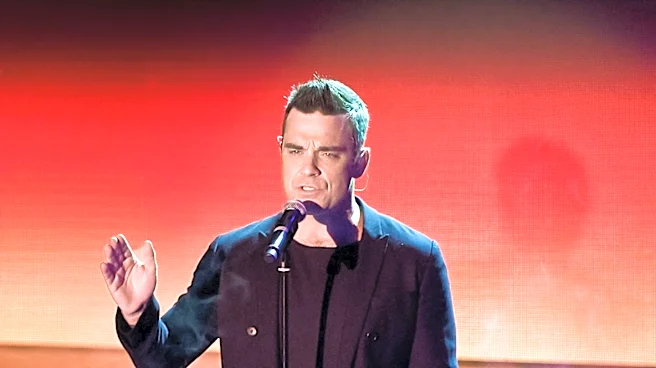
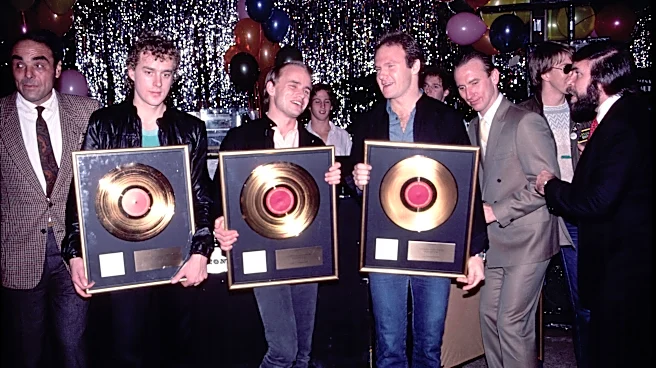
Gary Barlow, a prominent member of the British boyband Take That, has shared his experiences regarding the pressures of fame during the group's peak in the 1990s. Speaking on BBC Radio 2 for Vernon Kay’s Tracks Of My Years segment, Barlow, 55, described
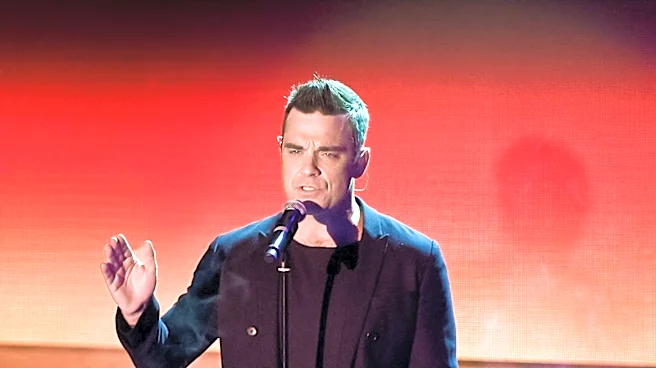
the period as a 'merry-go-round we couldn't get off.' He revealed that he did not enjoy much of the initial success, feeling immense pressure, particularly as the primary songwriter for hits like 'Back For Good,' 'Pray,' and 'Shine.' Barlow noted that this intense pressure only began to subside 'a couple of years ago.' His bandmate, Howard Donald, echoed these sentiments, characterizing their schedule as a 'conveyor belt' of promotional activities, including constant radio appearances, photoshoots, and early morning TV engagements, which he found unenjoyable and often led to the band members getting on each other's nerves. Robbie Williams, another former member, left the group in 1995 to pursue a solo career, followed by Jason Orange in 2014. The group now consists of Barlow, Donald, and Mark Owen.
Why It's Important?
This reflection from Gary Barlow offers a significant insight into the often-unseen struggles faced by successful music artists, even at the height of their careers. It highlights the psychological toll that relentless schedules, public scrutiny, and the pressure to maintain success can have on individuals in the entertainment industry. For fans and the broader public, it demystifies the glamorous facade of pop stardom, revealing the demanding realities behind the scenes. The candid admissions from Barlow and Donald could contribute to a wider conversation about mental health and well-being within high-pressure professions, particularly in music. It also provides a historical perspective on the music industry's operational demands in the 1990s, suggesting that the pace and expectations placed on artists were intense and potentially unsustainable, leading to burnout and internal conflicts within groups like Take That.
What's Next?
While Barlow's comments are retrospective, they may prompt further discussions within the music industry about artist welfare and sustainable career practices. Other artists from that era might be encouraged to share their own experiences, potentially leading to a broader re-evaluation of how emerging talent is managed and supported. For Take That, now comprising Barlow, Donald, and Owen, these reflections could influence their future touring and recording schedules, possibly prioritizing a more balanced approach to their work. The interview also serves as a historical marker for the band's legacy, offering fans a deeper understanding of the personal challenges faced by their idols. It is unlikely to directly impact current U.S. policy or business, but it contributes to the ongoing global dialogue about the human cost of extreme success in entertainment.
Beyond the Headlines
Barlow's candidness extends beyond a simple recounting of past difficulties; it touches upon the inherent fragility of fame and success. His statement, 'It’s not that oh my God, we’re doing so well, I’m not very happy, it’s more like this is so precious, it’s so fragile, because we all know how fragile music is,' underscores a deeper anxiety about the ephemeral nature of pop stardom. This sentiment reveals the constant fear of losing relevance and the immense pressure to maintain momentum, which often overshadows any personal enjoyment. It highlights a paradox where immense public adoration can coexist with profound personal dissatisfaction and stress. This narrative challenges the common perception that success automatically equates to happiness, offering a more nuanced view of the psychological landscape of celebrity. It also implicitly critiques an industry model that prioritizes output and public presence over the well-being of its artists.