



What's Happening?
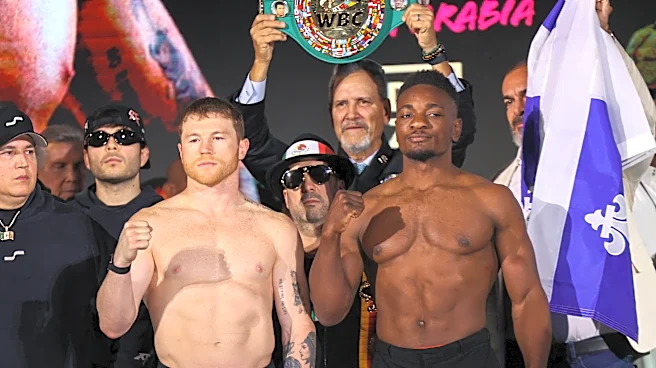
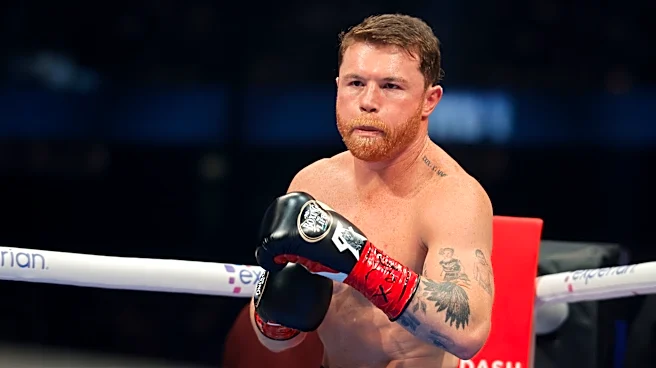
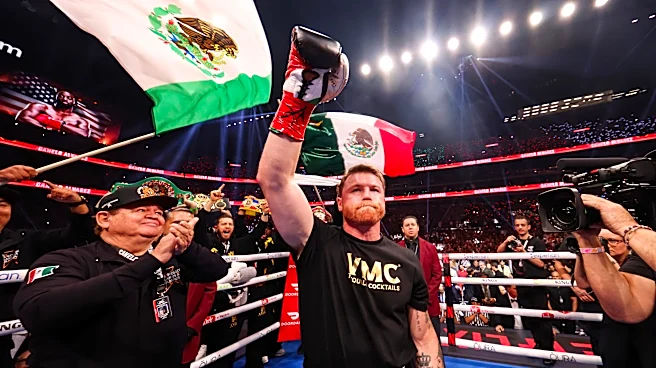
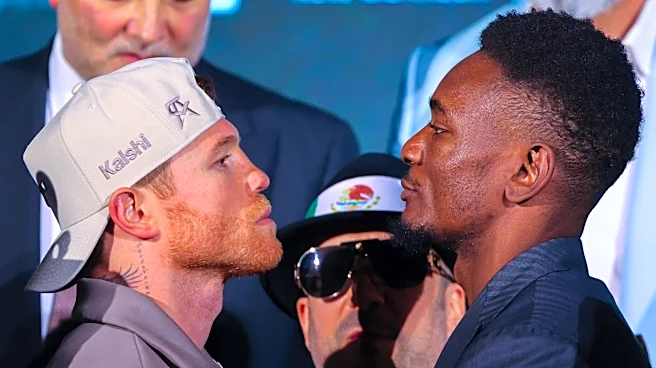
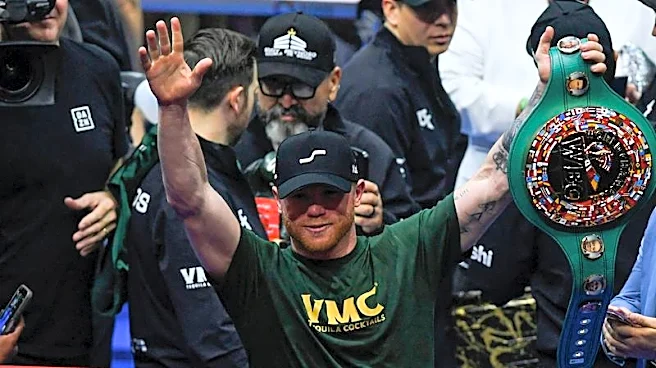
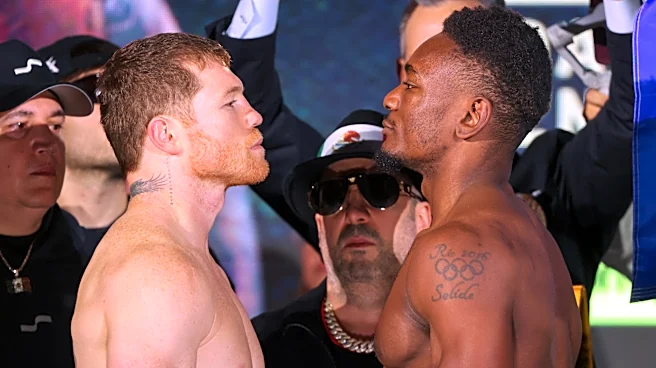
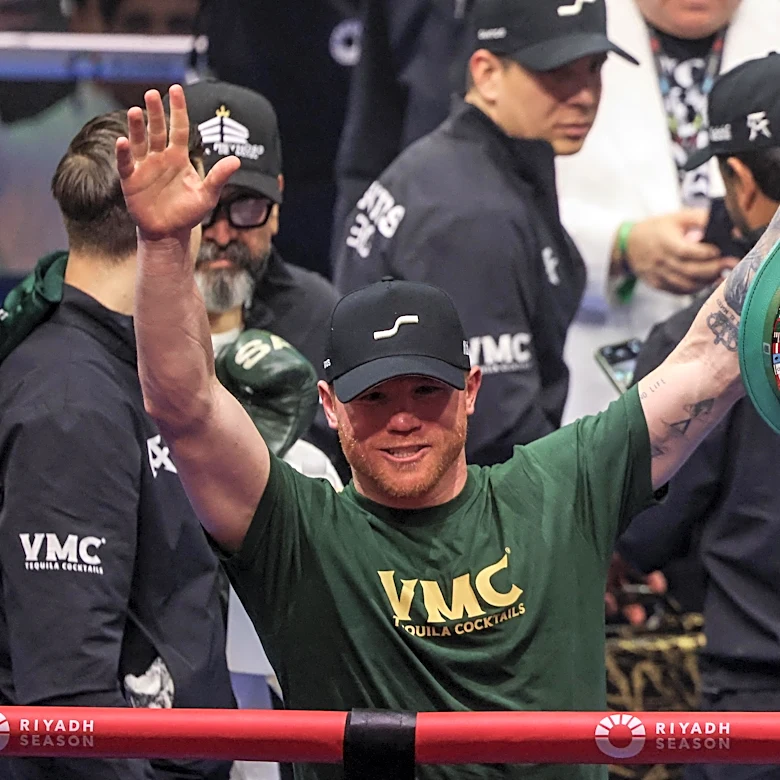
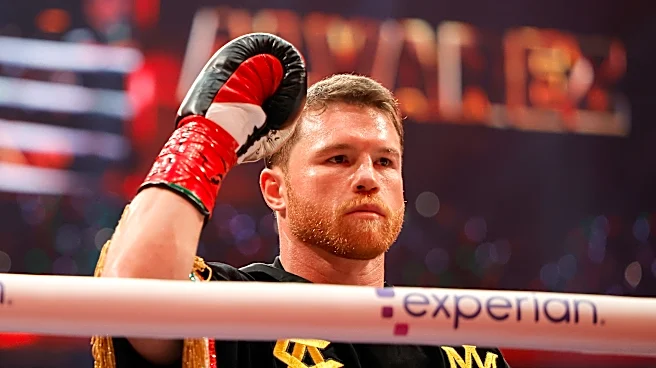
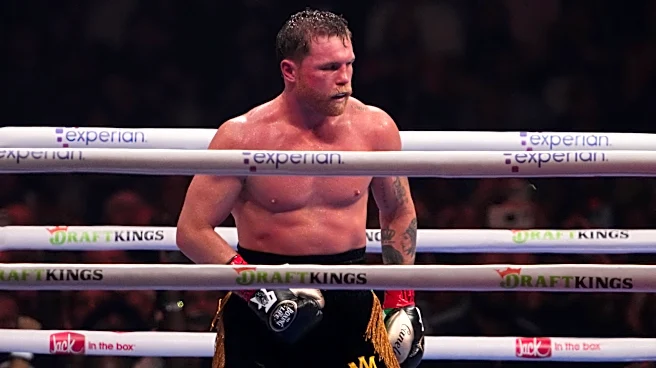
On November 1, 2026, Mexican boxer Saúl “Canelo” Alvarez defeated French fighter Christian Mbilli in Riyadh, Saudi Arabia, to reclaim his WBC super middleweight title. The judges' scores were 115-112, 116-111, and 117-110 in Alvarez’s favor after a 12-round
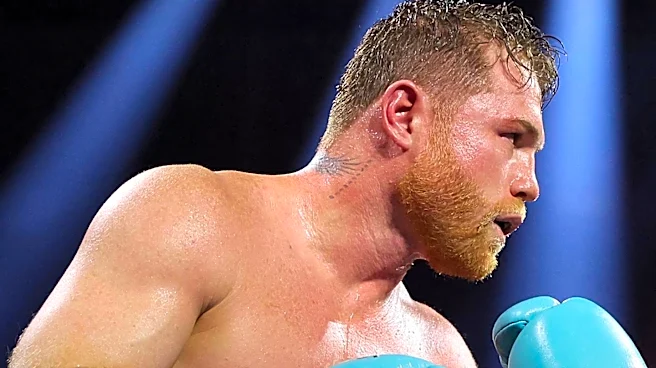
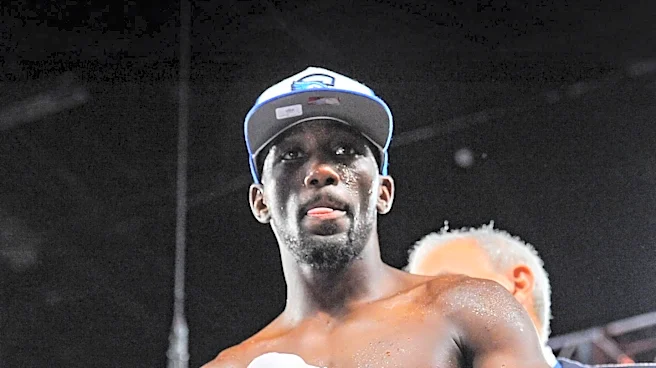
decision. This victory marks Alvarez's return to the ring after a 13-month layoff and his first fight since losing his belts to Terence Crawford in September 2025. Mbilli, 31, had been elevated to titleholder in January. The fight proceeded despite escalating conflict between Saudi Arabia and Yemen’s Houthis, a situation Alvarez subtly acknowledged by thanking his family watching from afar. Alvarez, 36, demonstrated his experience and ringcraft, particularly in the second half of the bout, pressing his advantage from the seventh round onwards and dictating the pace of the fight.
Why It's Important?
This victory is significant for Canelo Alvarez, re-establishing his position at the top of the super middleweight division and silencing questions about his career trajectory following his loss to Terence Crawford. For the boxing world, it underscores the enduring appeal and skill of veteran fighters, demonstrating that experience and tactical prowess can overcome younger, previously unbeaten opponents. The fight's staging in Riyadh, despite regional geopolitical tensions, highlights Saudi Arabia's continued investment in hosting major international sporting events, aiming to enhance its global profile and diversify its economy. This trend has broader implications for the sport, potentially shifting the landscape of where high-profile boxing matches are held and the financial incentives involved for top athletes.
What's Next?
Following this win, Canelo Alvarez is expected to defend his newly reclaimed WBC super middleweight title. The boxing world will be watching to see who his next opponent will be, with potential challengers emerging from the super middleweight landscape. His performance has also reignited discussions about potential future matchups, including a teased fight with Jake Paul, who publicly praised Alvarez's performance while hinting at a future encounter. The continued involvement of Saudi Arabia in hosting such events suggests that more high-profile boxing matches could take place in the region, influencing fight schedules and fighter negotiations. Alvarez's ability to maintain his form and continue winning will be a key storyline in the coming months.
Beyond the Headlines
Alvarez's victory extends beyond the immediate sporting achievement, touching upon themes of resilience and legacy in professional sports. His ability to reclaim a title after a significant loss and a layoff speaks to his dedication and strategic adaptation as a fighter. The decision to proceed with the fight in Riyadh amidst regional conflict also raises questions about the intersection of sports, politics, and international relations. While the event provided a platform for a major sporting spectacle, it also implicitly highlighted the complex geopolitical environment of the host nation. This dynamic is becoming increasingly common in global sports, where major events are used to project soft power and influence, often leading to discussions about ethical considerations and the responsibilities of athletes and organizations.