






What's Happening?
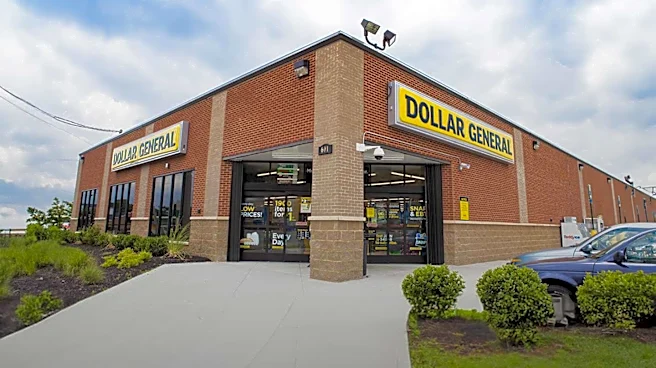
Oklahoma Attorney General Gentner Drummond has filed a lawsuit against Dollar General Corporation, alleging deceptive pricing practices that have led to consumers being overcharged. The lawsuit, filed jointly with the Federal Trade Commission (FTC) and
a coalition of 19 other state attorneys general, claims that Dollar General routinely charges customers more at the register than the prices displayed on shelves, price tags, and advertisements. The complaint asserts that these unfair practices have cost consumers millions of dollars. Dollar General, which operates over 21,000 stores nationwide and positions itself as a low-priced retailer, is accused of having extensive corporate knowledge of the problem but failing to implement adequate solutions. The lawsuit highlights thousands of consumer complaints from across the country detailing instances where advertised prices were not honored. The FTC and the states involved allege that these practices violate the FTC Act, the Gramm-Leach-Bliley Act, and various state laws. The coalition includes states such as Alabama, Arizona, Arkansas, California, Connecticut, Florida, Illinois, Iowa, Kansas, Louisiana, Michigan, Mississippi, Nebraska, New Jersey, North Carolina, Ohio, Tennessee, Utah, and Wisconsin.
Why It's Important?
This lawsuit is significant because it addresses widespread consumer protection issues, particularly impacting vulnerable shoppers who rely on discount retailers like Dollar General for everyday necessities. The alleged deceptive pricing practices undermine consumer trust and can disproportionately affect low-income households, where even small overcharges can have a substantial impact on household budgets. The involvement of the FTC and a large coalition of state attorneys general signals a serious commitment to holding large corporations accountable for pricing transparency and fairness. If successful, the lawsuit could result in significant financial penalties for Dollar General and mandate changes in its pricing and operational practices, potentially setting a precedent for how other discount retailers manage their pricing. It also underscores the role of state and federal agencies in safeguarding consumers from misleading business practices, reinforcing the importance of accurate pricing in retail environments.
What's Next?
The lawsuit will proceed through the legal system, likely involving discovery, motions, and potentially a trial or settlement negotiations. Dollar General will have the opportunity to respond to the allegations and present its defense. The outcome could lead to various remedies, including monetary penalties, restitution for affected consumers, and court-ordered injunctions requiring Dollar General to implement stricter pricing accuracy measures. This could involve enhanced employee training, improved technology for price scanning, and more rigorous internal audits. The case may also prompt increased scrutiny of pricing practices across the broader discount retail sector, potentially leading to similar investigations or lawsuits against other companies if systemic issues are identified. Consumers should remain vigilant about checking their receipts against advertised prices, especially at discount stores.
Beyond the Headlines
Beyond the immediate legal implications, this case highlights broader ethical considerations for corporations regarding their responsibility to customers, particularly those in economically vulnerable positions. The alleged failure of Dollar General to address known pricing discrepancies, despite numerous complaints, raises questions about corporate governance and commitment to ethical business conduct. It also points to the challenges of maintaining pricing accuracy across a vast network of stores, suggesting a need for robust technological solutions and internal controls. The lawsuit could also spark a wider public discussion about the effectiveness of current consumer protection laws and whether they adequately deter such practices. Furthermore, it may encourage consumers to be more proactive in reporting pricing discrepancies, thereby empowering regulatory bodies to take action against companies that engage in deceptive practices.