



What's Happening?
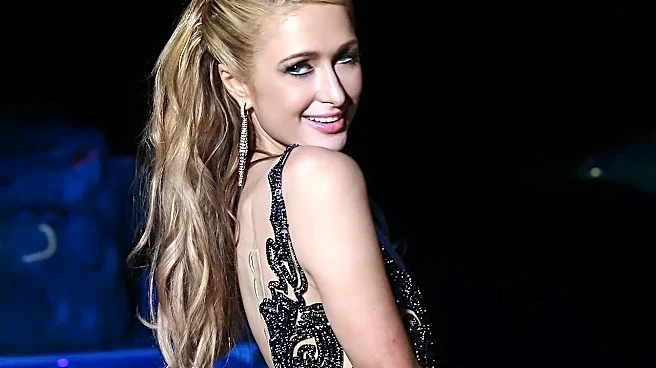
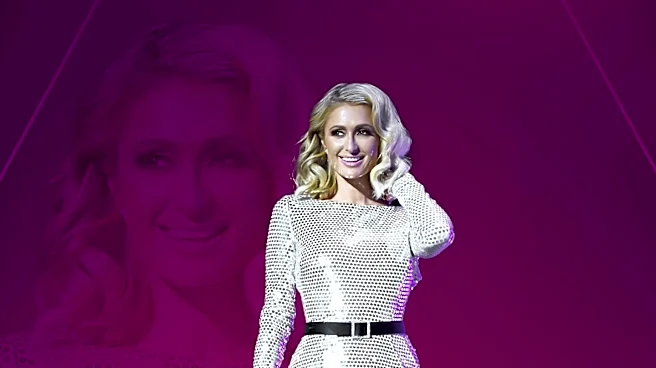
KARL LAGERFELD has announced the extension of its partnership with global entrepreneur and media personality Paris Hilton, who will continue as the face of the Maison through Fall-Winter 2026 and Spring-Summer 2027 campaigns. This follows successful collaborations
in Fall-Winter 2025 and Spring-Summer 2026. The Fall-Winter 2026 campaign, photographed by Matt Easton, introduces a new digital character named NOT-KARL. This charismatic digital entity will appear alongside Paris Hilton, adding a fresh dimension of contrast, humor, and playful irreverence to the narrative. The campaign is set against a backdrop of retro multi-screen televisions, marking the initial step in NOT-KARL's broader story. Pier Paolo Righi, CEO of Karl Lagerfeld, highlighted Hilton's energy, authenticity, and individuality, and expressed enthusiasm for the introduction of NOT-KARL, which he believes will create an unexpected dialogue and new ways to engage with storytelling while staying true to Karl Lagerfeld's vision. Hilton herself expressed excitement about continuing the relationship and the unique energy NOT-KARL brought to the shoot.
Why It's Important?
This extended partnership and the introduction of a digital character signify a strategic move by KARL LAGERFELD to innovate its brand messaging and appeal to a broader, digitally-savvy audience. By leveraging Paris Hilton's established global presence and combining it with a novel digital persona, the brand aims to create a dynamic and memorable campaign that resonates with contemporary consumers. The use of a digital character like NOT-KARL could set a precedent for how fashion brands integrate technology and virtual elements into their marketing strategies, potentially influencing future trends in the industry. This approach allows KARL LAGERFELD to explore new avenues for storytelling and engagement, moving beyond traditional celebrity endorsements. The campaign's emphasis on individuality and self-reinvention, themes that align with both Hilton's public persona and the brand's ethos, could strengthen brand loyalty and attract new customers who value these concepts. The success of this campaign could encourage other luxury brands to experiment with similar digital integrations, impacting the broader landscape of fashion advertising and brand representation.
What's Next?
The Fall-Winter 2026 campaign will feature Paris Hilton and NOT-KARL as an on-screen duo, with their contrasting personalities creating a playful dynamic. This campaign marks the first step in NOT-KARL's broader narrative, suggesting that the digital character will have an ongoing role in the brand's future storytelling beyond this season. Additionally, Kit Butler will join as the face of menswear for this season, complementing Hilton with his understated confidence and strong fashion profile. Their long-standing friendship is expected to bring an effortless chemistry to the campaign. The brand will continue to release content and updates related to the Fall-Winter 2026 and Spring-Summer 2027 campaigns, further developing the narrative around Paris Hilton and the newly introduced NOT-KARL. Future campaigns may explore more innovative ways to integrate digital characters and interactive elements, potentially expanding the brand's reach and engagement across various digital platforms.
Beyond the Headlines
The introduction of NOT-KARL by KARL LAGERFELD reflects a growing trend in the fashion industry towards incorporating virtual identities and digital experiences into brand narratives. This move highlights the evolving nature of celebrity endorsement, where traditional human figures are now being augmented or even replaced by digital counterparts. This could lead to deeper discussions about authenticity in branding, the role of AI and digital art in creative industries, and the potential for virtual influencers to shape consumer perceptions. The campaign's focus on 'self-reinvention' through the interplay of Paris Hilton and NOT-KARL also touches upon broader cultural themes of identity in the digital age. As brands increasingly blur the lines between the real and virtual, ethical considerations regarding intellectual property, digital representation, and the impact on human models and creators may become more prominent. This development could also influence how consumers interact with brands, fostering new forms of engagement through immersive digital experiences and virtual brand ambassadors.