




What's Happening?
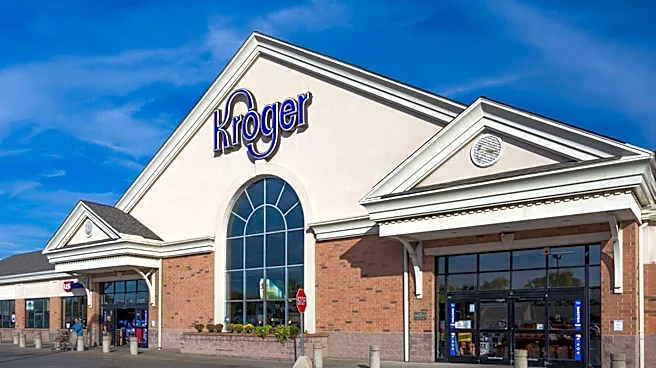
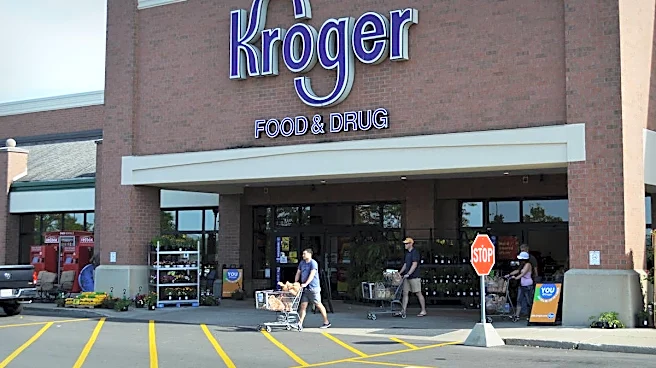
A.M. Best has revised the outlook on the long-term issuer credit ratings of Queen City Assurance and Vine Court Assurance, Kroger's two Vermont-domiciled captive insurers, from stable to negative. This revision is primarily attributed to a deterioration
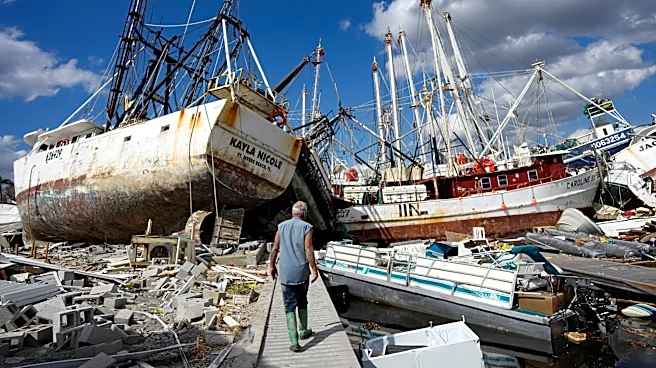
in the group's underwriting results, specifically citing elevated casualty losses. While the financial strength rating of A (Excellent) and the 'a+' (Excellent) long-term issuer credit rating for the Queen City Assurance Group remain affirmed, the negative outlook reflects concerns that continued weakening in underwriting performance could pressure the overall operating performance of the captives. A.M. Best noted that underwriting results first weakened in 2024 due to an 'uncharacteristically high level of property losses' and further deteriorated in 2025, driven by increased casualty losses, adverse reserve development, and challenges from the medical expense containment program. Despite these issues, overall earnings have remained positive, supported by solid investment income.
Why It's Important?
This revision by A.M. Best signals potential financial challenges for Kroger's captive insurance operations, which are crucial for managing the company's internal risks. A negative outlook suggests that A.M. Best believes there is a higher probability of a downgrade in the future if the underwriting performance does not improve. For Kroger, this could mean increased costs associated with its self-insurance programs, potentially impacting its overall financial health. Elevated casualty losses and adverse reserve development indicate that the actual costs of claims are exceeding initial projections, which can strain financial resources. While solid investment income has cushioned the impact so far, a sustained decline in underwriting profitability could necessitate adjustments to Kroger's risk management strategies or even lead to higher premiums for its internal insurance coverage, ultimately affecting its operational expenses and potentially its bottom line.
What's Next?
Kroger's captive insurers, Queen City Assurance and Vine Court Assurance, will likely need to implement measures to address the deteriorating underwriting results. This could involve a comprehensive review of their claims management processes, adjustments to their medical expense containment programs, and potentially a re-evaluation of their risk exposure and underwriting guidelines. A.M. Best will continue to monitor the group's performance, and if the underwriting results do not show signs of improvement, a downgrade of the long-term issuer credit ratings could follow. Conversely, if the captives successfully mitigate their losses and demonstrate a return to stronger underwriting profitability, the outlook could be revised back to stable. Kroger's management will be focused on stabilizing these insurance operations to avoid any adverse impact on the company's financial ratings and overall corporate stability.
Beyond the Headlines
The challenges faced by Kroger's captive insurers highlight the complex and often volatile nature of risk management for large corporations, particularly those with extensive operations like a major grocery chain. Captive insurance companies are typically established to manage specific risks more efficiently and cost-effectively than traditional insurance markets. However, when these captives experience significant losses, it underscores the inherent risks that corporations retain. The mention of 'uncharacteristically high level of property losses' and 'elevated casualty losses' could reflect broader trends in the U.S. related to increased natural disasters, supply chain disruptions, or changes in legal liabilities. This situation also brings into focus the intricate relationship between a parent company's core business and its financial subsidiaries, demonstrating how issues in one area can ripple through the entire corporate structure and influence external financial assessments.