


What's Happening?
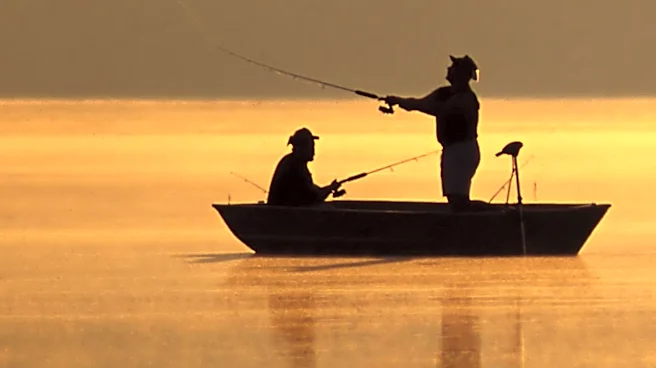
Kentucky Lake, the largest artificial lake east of the Mississippi River, is a popular destination for fishing and boating. Created in 1944 by the Tennessee Valley Authority, the lake spans 184 miles across southern Kentucky and northern Tennessee. It
was initially constructed to manage flooding in the Tennessee River Valley and provide electricity. The lake is renowned for its abundant fish species, including largemouth bass, crappie, and bluegill, attracting anglers from across the region. The area also hosts numerous fishing tournaments throughout the year. The eastern part of the lake, which includes the Land Between the Lakes National Recreation Area, remains relatively undeveloped, offering a peaceful retreat for visitors. Paris Landing State Park in Tennessee provides additional amenities such as cabins, camping, and a lodge with dining facilities.
Why It's Important?
Kentucky Lake serves as a significant recreational and economic asset for the region. It attracts millions of visitors annually, contributing to the local economy through tourism and related activities. The lake's creation also highlights the historical efforts to manage natural resources and provide infrastructure for flood control and electricity generation. The ongoing popularity of the lake underscores the importance of maintaining natural and recreational areas for public enjoyment and economic benefit. Additionally, the lake's role in hosting fishing tournaments and other events helps promote community engagement and outdoor activities.
What's Next?
As Kentucky Lake continues to draw visitors, there may be opportunities for further development of recreational facilities and services to enhance the visitor experience. Local authorities and stakeholders might consider initiatives to balance development with conservation efforts to preserve the natural beauty and ecological health of the area. Additionally, ongoing promotion of the lake as a premier destination for fishing and boating could attract more tourists, boosting the local economy.