



What's Happening?
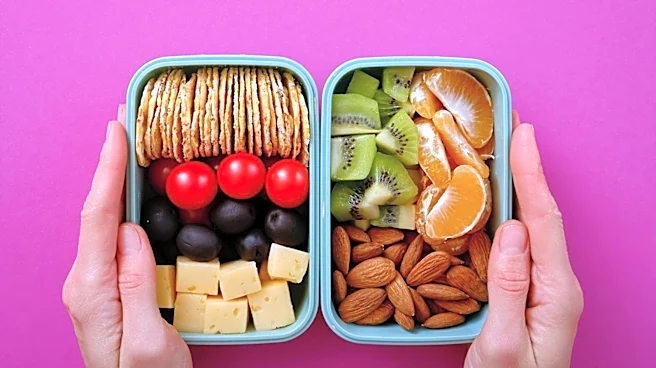
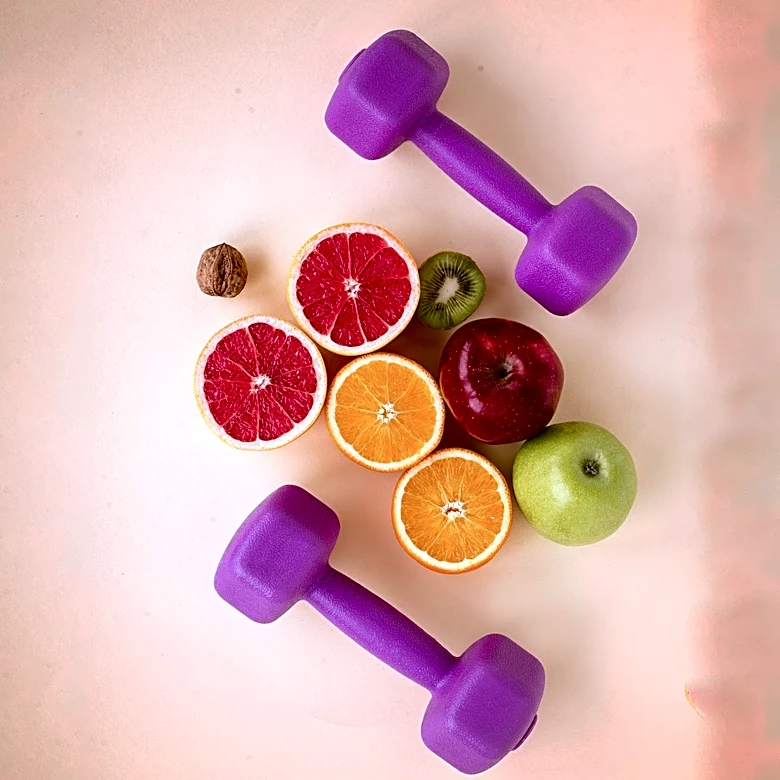
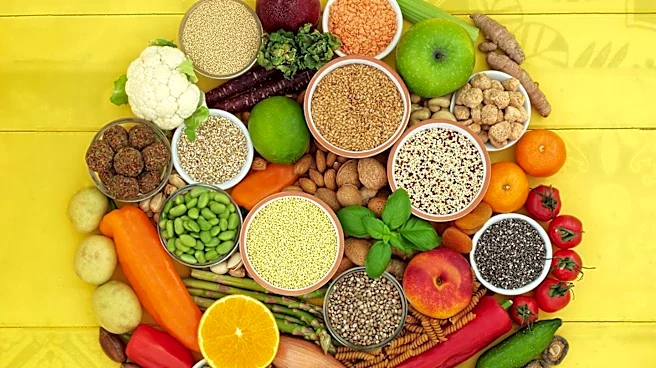
As colder weather approaches, various health and wellness experts are highlighting key strategies to maintain well-being and support the immune system. Nutrition plays a crucial role, with recommendations to consume at least two servings of fruit and three
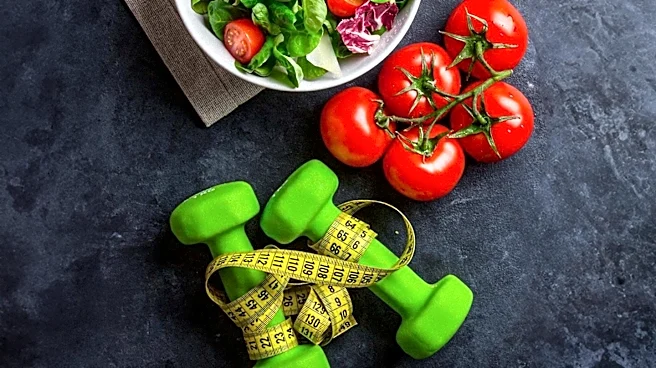
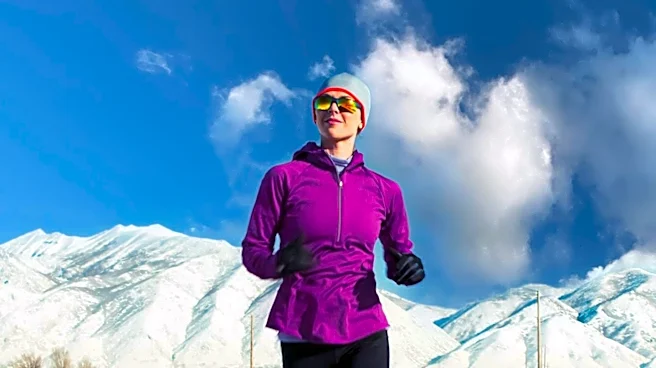
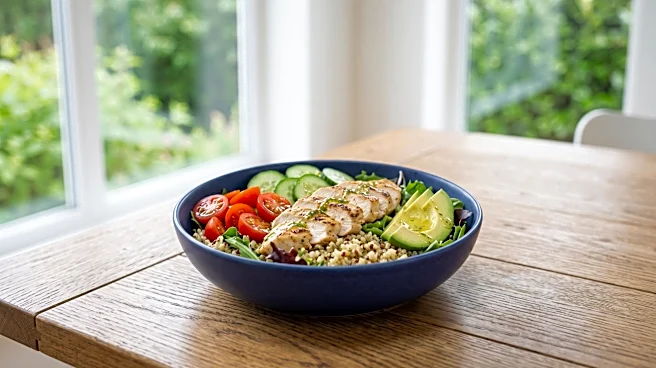
or more servings of vegetables daily to ensure adequate intake of vitamins, minerals, antioxidants, and fiber. Protein, from sources like eggs, Greek yogurt, chicken, fish, lean beef, beans, lentils, or tofu, is also vital for producing antibodies and immune cells. Regular exercise, encompassing strength training, cardiovascular activities, and daily movement, is encouraged for overall health improvement. Additionally, sufficient sleep, consistent hydration, and basic preventive measures such as frequent handwashing and vaccinations are underscored as essential for navigating cold and flu season. Beyond these foundational practices, specialized wellness treatments like infrared saunas and cold plunges are gaining attention for their potential benefits, including stress relief and cardiovascular advantages.
Why It's Important?
These recommendations are crucial for public health, particularly as the U.S. enters colder months when respiratory illnesses tend to surge. By emphasizing nutrition, exercise, sleep, and hygiene, individuals can proactively strengthen their immune systems, potentially reducing the incidence and severity of common colds, flu, and other seasonal ailments. This proactive approach can lessen the burden on healthcare systems, decrease lost productivity due to illness, and improve overall quality of life. The growing interest in complementary wellness practices like infrared saunas and cold plunges also reflects a broader societal shift towards holistic health management, offering alternative avenues for stress reduction and physical recovery that can contribute to a more resilient population during challenging health seasons.
What's Next?
Individuals are encouraged to integrate these wellness strategies into their daily routines as fall and winter progress. This includes planning meals rich in fruits, vegetables, and lean proteins, maintaining a consistent exercise regimen, prioritizing 7-9 hours of sleep per night, and staying well-hydrated. Healthcare providers will likely continue to advocate for seasonal vaccinations, such as flu shots, as a primary preventive measure. The wellness industry may see increased demand for products and services related to immune support, stress reduction, and recovery, including at-home fitness equipment, nutritional supplements, and specialized spa treatments like cold plunges and infrared saunas. Public health campaigns will likely reinforce messages about hand hygiene and staying home when sick to mitigate community spread of viruses.
Beyond the Headlines
The emphasis on comprehensive wellness for cold weather extends beyond mere physical health, touching upon mental and emotional well-being. The stress-reducing benefits of exercise, adequate sleep, and even practices like infrared saunas contribute to a more robust mental state, which is intrinsically linked to immune function. This holistic view highlights the interconnectedness of various lifestyle factors in maintaining health. Furthermore, the accessibility and affordability of these recommendations vary, underscoring potential health disparities where individuals with limited resources may struggle to implement optimal nutritional or lifestyle changes. This broader conversation points to the need for public health initiatives that not only educate but also facilitate access to healthy food, safe spaces for exercise, and adequate healthcare for all segments of the population.