


What's Happening?
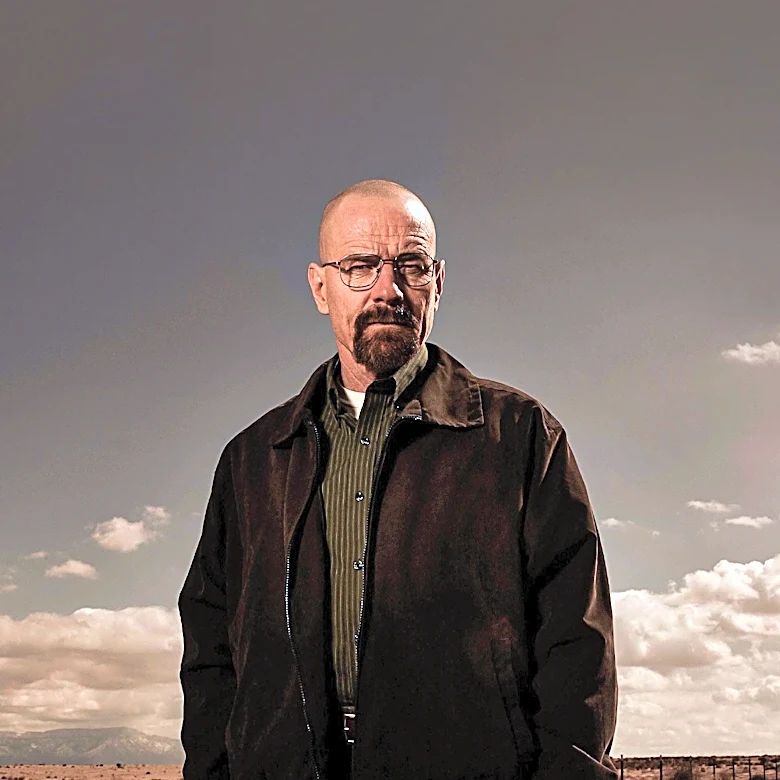
Jay Roach directed the 2015 historical drama 'Trumbo,' which chronicles the life of screenwriter Dalton Trumbo. The film details how Trumbo's career was abruptly halted in the late 1940s due to his political beliefs, leading to his blacklisting alongside
other Hollywood figures. The narrative focuses on Trumbo's conflict with the U.S. government and studio executives over issues of free speech and artistic freedom. The movie features a cast including Bryan Cranston, Michael Stuhlbarg, and Diane Lane, and highlights the involvement of Hollywood icons such as Hedda Hopper, John Wayne, and Kirk Douglas in this tumultuous period. 'Trumbo' received an IMDb rating of 7.4/10 and is categorized as a drama, historical, and inspiring film.
Why It's Important?
The film 'Trumbo' is important as it sheds light on a significant and controversial period in U.S. history, specifically the McCarthy era and the Hollywood blacklist. This era saw artists and professionals targeted for their political affiliations, leading to severe career repercussions and a chilling effect on creative expression. The movie serves as a historical reminder of the impact of political pressures on individual liberties and the entertainment industry. It underscores the broader societal implications of government overreach and the struggle for freedom of speech, resonating with ongoing discussions about censorship and political influence in media. The story highlights the resilience of individuals like Trumbo who challenged these restrictions, ultimately contributing to a re-evaluation of civil liberties in the United States.
What's Next?
While 'Trumbo' is a historical film, its themes continue to be relevant in contemporary discussions about artistic freedom and political scrutiny in the entertainment industry. The film's availability on platforms like Prime Video ensures its continued accessibility to audiences, allowing for ongoing reflection on the historical events it portrays. The legacy of the Hollywood blacklist, as depicted in the film, serves as a cautionary tale that may influence how current and future generations of filmmakers and artists navigate political climates. Discussions surrounding the film could also prompt further examination of similar historical injustices or inspire new works that explore the intersection of politics and art.
Beyond the Headlines
Beyond its immediate narrative, 'Trumbo' delves into the ethical complexities of loyalty oaths and the suppression of dissenting voices. The film implicitly questions the role of government in regulating artistic expression and the moral responsibilities of individuals within powerful industries. It highlights the long-term psychological and professional damage inflicted by blacklisting, not only on those directly affected but also on the broader creative community. The story also touches upon the cultural shifts that eventually led to the dismantling of the blacklist, suggesting that public opinion and the persistent efforts of individuals can challenge and ultimately change oppressive systems. This historical context offers valuable lessons for understanding contemporary debates about cancel culture and freedom of expression.