




What's Happening?
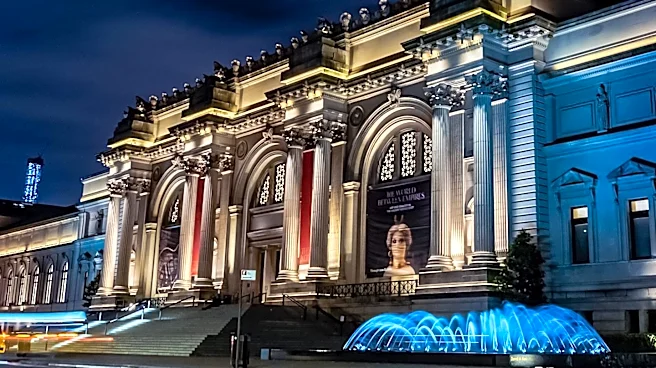
The Metropolitan Museum of Art has announced "extraORDINARY: Fashion and the Poetics of the Everyday" as the theme for its 2027 Met Gala and accompanying Costume Institute exhibition. This new theme, revealed on November 5, 2026, focuses on how designers
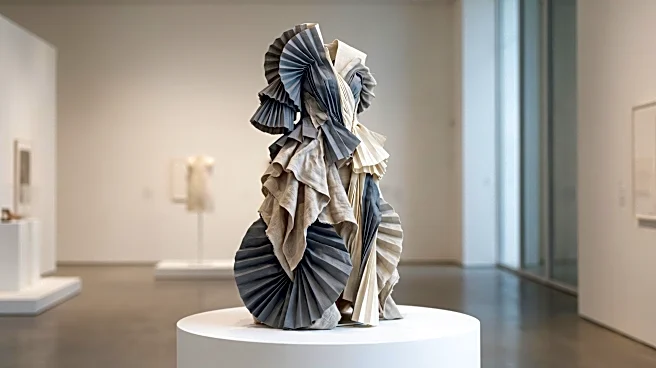
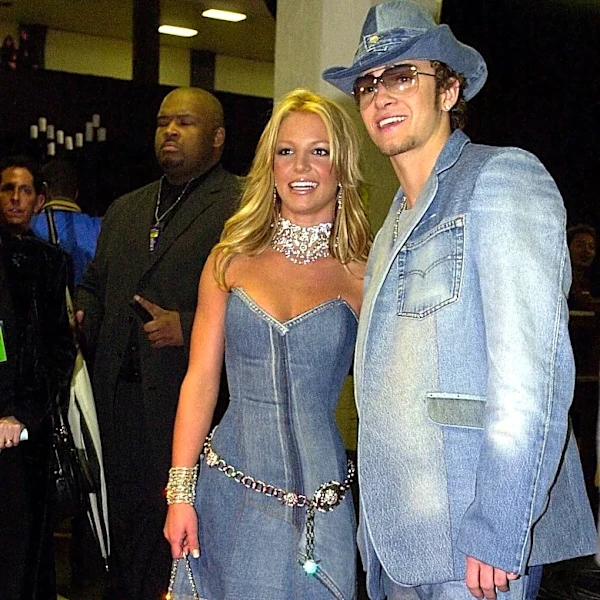
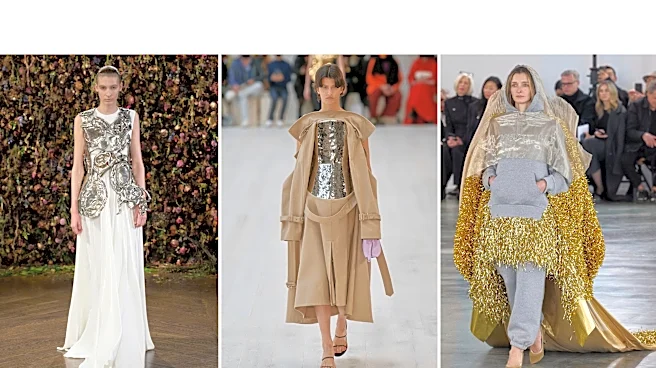
transform familiar garments, everyday objects, and commonplace materials through craft, construction, material experimentation, and conceptual wit. The exhibition, which will run from May 9, 2027, to January 9, 2028, will feature items such as couture puffer coats, iconic jeans, and creations made from paper, plastic, and metal. This decision follows the cancellation of the previously announced 2027 theme, "John Galliano: Horizons," a retrospective of the British designer John Galliano. The original theme faced significant public backlash due to Galliano's past antisemitic remarks, leading to his withdrawal from the event on August 31, 2026. Andrew Bolton, the Costume Institute's curator in charge, stated that the new theme aims to be challenging and provocative, focusing on contemporary relevance rather than being a mere substitute.
Why It's Important?
The selection of "extraORDINARY: Fashion and the Poetics of the Everyday" marks a significant shift for the Met Gala, moving away from a focus on a single controversial designer to a broader, more accessible concept. This change reflects the institution's response to public sentiment and donor concerns, aiming to avoid further controversy while maintaining its cultural relevance. The theme's emphasis on everyday fashion could democratize the event, potentially influencing future fashion trends by elevating common attire. It also highlights the ongoing dialogue within the fashion industry regarding accountability and the celebration of artists with problematic pasts. For designers, it presents an opportunity to showcase creativity within the confines of ordinary materials, potentially inspiring new approaches to sustainable and innovative fashion. The Met Gala, as a major fundraising event for the Costume Institute, relies on broad appeal, and this theme aims to secure that support by offering a less polarizing and more universally relatable subject.
What's Next?
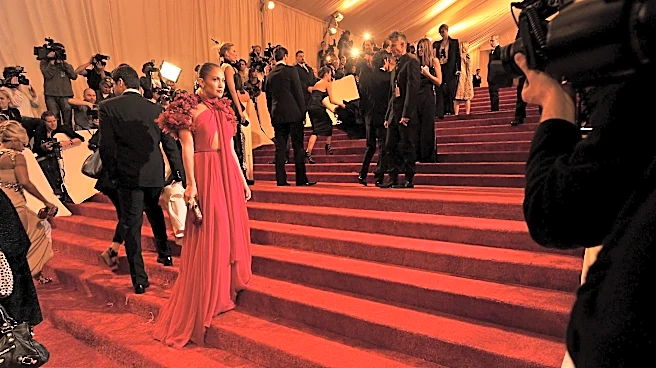
The 2027 Met Gala is scheduled for Monday, May 3, 2027, with the exhibition opening to the public shortly thereafter. While the theme has been announced, the specific dress code for attendees and the co-chairs for the event are yet to be revealed. Curator Andrew Bolton has expressed a desire for guests to interpret the theme by wearing elevated versions of everyday items like jeans, T-shirts, and puffer coats, suggesting a potentially more understated red carpet compared to previous years. The exhibition itself will feature 200 to 230 pieces, with a significant portion drawn from the museum's own collection and the rest from loans and donations by fashion brands. The fashion world will be keenly watching how celebrities and designers interpret this theme, which could set new precedents for red carpet attire and influence mainstream fashion trends in the coming years. The event's sponsors, Meta and Moncler, will also play a role in shaping its presentation.
Beyond the Headlines
This thematic shift for the Met Gala extends beyond a mere change in fashion focus; it reflects a broader cultural reckoning with celebrity, historical context, and ethical considerations in the arts. The initial controversy surrounding John Galliano underscored the increasing public demand for accountability from cultural institutions and figures. By choosing a theme that champions the 'everyday,' the Met Gala could be signaling a move towards greater inclusivity and a re-evaluation of what constitutes 'high fashion.' This could lead to a more democratic appreciation of design, where the artistry in common objects is celebrated alongside haute couture. Furthermore, the theme's exploration of material transformation could subtly promote discussions around sustainability and resourcefulness in fashion, encouraging designers and consumers to consider the potential of overlooked materials. This pivot might also influence how other cultural institutions approach exhibitions and events, prompting a deeper consideration of public values and ethical implications in their programming.