


What's Happening?
Zoox, a Bay Area-based robotaxi company, has initiated its first purpose-built autonomous vehicle rides in Los Angeles County. The pill-shaped vehicles began operations in Santa Monica, initially serving company employees and their families. The company plans
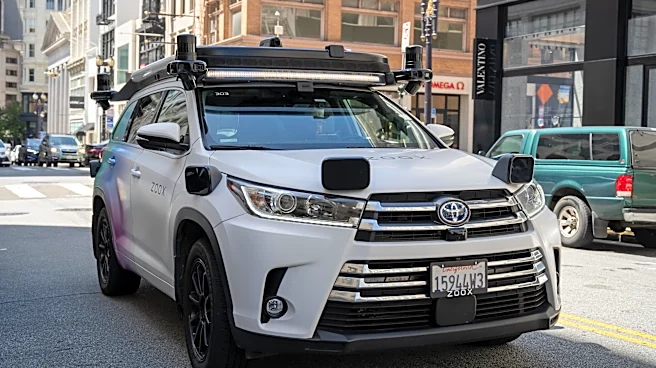
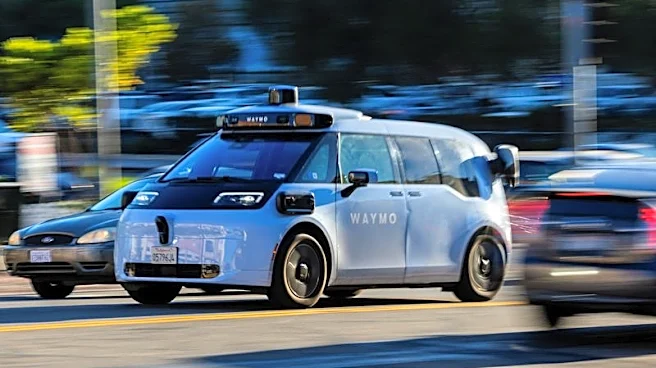
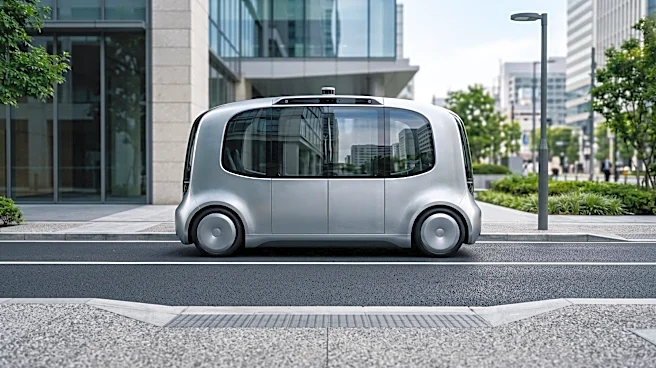
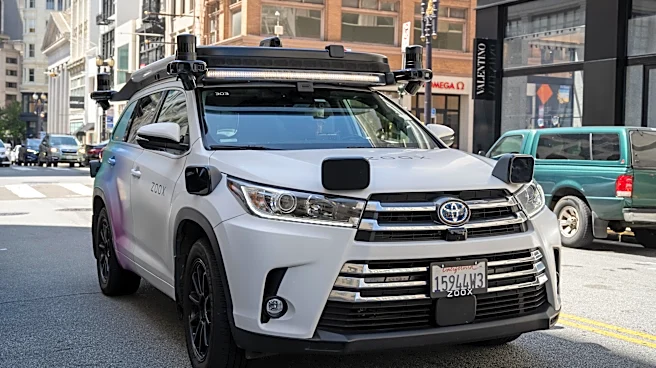
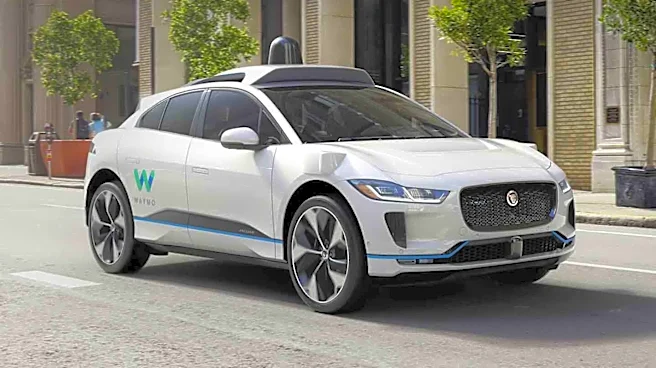
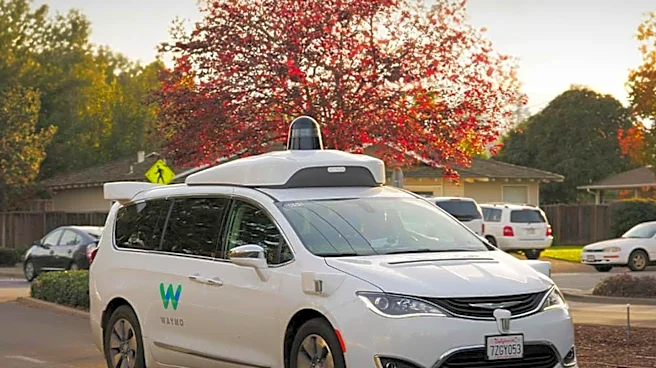
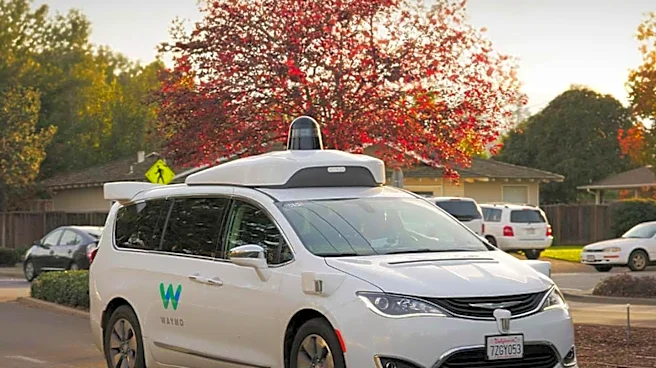
to open a waitlist for public riders next year. Unlike competitors such as Waymo, which retrofits existing vehicles with autonomous technology, Zoox designs and builds its vehicles from the ground up. These unique taxis lack traditional controls like steering wheels and gas pedals, feature interior seats facing each other, and can move in either direction without needing to turn around. Zoox has already established public service in parts of San Francisco and Las Vegas and intends to expand to Atlanta, Miami, and Austin, Texas. This expansion into Los Angeles County follows a period of testing in the region using retrofitted Toyota SUVs, which will not be used for public riders.
Why It's Important?
The introduction of Zoox's purpose-built robotaxis in Los Angeles County signifies a significant advancement in the autonomous vehicle industry, particularly in the U.S. market. This move intensifies the competition among key players like Waymo and Tesla, each vying to scale their robotaxi services and claim their technology is safer than human drivers. Zoox's unique vehicle design, which prioritizes autonomous operation from inception, could set a new standard for safety and user experience in the burgeoning robotaxi sector. The expansion into a major metropolitan area like Los Angeles County, following successful operations in San Francisco and Las Vegas, demonstrates the company's growing confidence and capability. For consumers, this could eventually lead to more diverse and potentially safer transportation options, while for the automotive industry, it highlights a shift towards specialized autonomous vehicle manufacturing rather than retrofitting existing models.
What's Next?
Zoox plans to open a waitlist for public riders in Santa Monica next year, indicating a phased approach to broader public access. The company also intends to expand its public service to Atlanta, Miami, and Austin, Texas, further extending its footprint across the U.S. In California, Zoox aims to expand its service area in Los Angeles County beyond Santa Monica. This expansion comes as Waymo, a competitor, faces regulatory challenges, with the California Department of Motor Vehicles banning its taxis from operating on state freeways, leading Waymo to voluntarily pause all freeway operations. Meanwhile, Tesla is also entering the robotaxi market with its Cybercab, which has prompted an investigation from the National Highway Traffic Safety Administration. These developments suggest a dynamic and competitive landscape, with ongoing regulatory scrutiny and technological advancements shaping the future of autonomous transportation.
Beyond the Headlines
The entry of purpose-built robotaxis like those from Zoox raises deeper questions about urban planning, public infrastructure, and the future of personal mobility. The absence of traditional controls and the unique interior configuration of Zoox vehicles could redefine the passenger experience, potentially transforming how people interact with transportation services. This shift could also impact urban design, as cities might need to adapt infrastructure to accommodate autonomous vehicles, including dedicated lanes or charging stations. Furthermore, the emphasis on safety by all robotaxi companies, including Zoox, Waymo, and Tesla, highlights an ongoing societal debate about the trustworthiness of AI-driven systems compared to human drivers. The regulatory responses, such as the California DMV's action against Waymo and the NHTSA's investigation into Tesla's Cybercab, underscore the complex ethical and legal challenges associated with integrating advanced autonomous technology into daily life, particularly concerning accountability in the event of incidents.