




What's Happening?
The food wrap dispenser market is experiencing significant growth driven by innovations in smart technology and sustainability. New smart dispensers, equipped with sensors and automation features, can automatically detect the type and size of wrap needed,
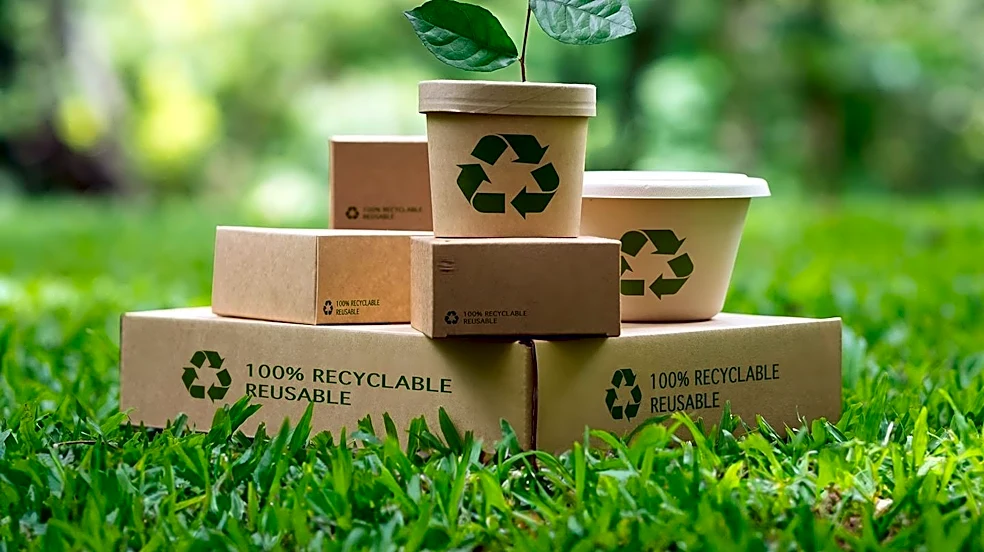
dispense the correct length, and alert users when supplies are low. These advancements are particularly popular in high-volume foodservice operations, where they help reduce waste and improve workflow efficiency. Beyond automation, dispenser designs are incorporating ergonomic features, one-handed operation, adjustable tension controls, integrated cutting blades for precise cuts, and antimicrobial coatings to enhance hygiene. The market is also seeing a strong shift towards eco-friendly options, with increasing demand for biodegradable and reusable dispensers, aligning with broader industry trends to reduce waste and improve operational efficiency.
Why It's Important?
These innovations in smart dispensers are crucial for U.S. foodservice operations and the broader packaging industry. For businesses, the ability to automatically dispense precise lengths of food wrap directly translates to reduced material waste and significant cost savings. Improved workflow efficiency means faster operations, which is vital in fast-paced environments like restaurants and catering services. The integration of antimicrobial coatings addresses heightened hygiene standards, a critical concern for public health and consumer confidence in the U.S. food sector. Furthermore, the growing demand for sustainable and eco-friendly dispensers reflects a broader consumer and regulatory push towards environmental responsibility, impacting manufacturers to innovate in materials and design. This shift benefits companies that adopt these technologies by enhancing their public image and meeting evolving market demands, while those slow to adapt may face competitive disadvantages.
What's Next?
The future of the food wrap dispenser market is expected to involve further integration of IoT technology, expanding eco-friendly product lines, and customized solutions for specific industry segments. As sustainability continues to be a core focus, the demand for biodegradable and reusable dispensers will likely grow significantly. Innovations aimed at enhancing user convenience, such as touchless operation and advanced smart dispensing features, are anticipated to drive further adoption across various sectors. Manufacturers will continue to invest in research and development to meet these evolving demands, potentially leading to more sophisticated and interconnected dispensing systems that offer greater control and transparency over usage and consumption. This trajectory suggests a continued evolution towards more efficient, hygienic, and environmentally conscious food packaging solutions.
Beyond the Headlines
The rise of smart dispensers for refillable goods, particularly in the foodservice industry, points to a broader trend of automation and sustainability influencing everyday commercial practices. This development highlights the increasing intersection of technology, environmental consciousness, and operational efficiency. Ethically, these dispensers contribute to reducing food waste, a significant global challenge, by ensuring precise usage and minimizing spoilage. Culturally, the adoption of touchless and automated systems reflects a growing societal preference for convenience and hygiene, accelerated by recent public health concerns. Long-term, this trend could lead to a more circular economy within the packaging sector, where products are designed for reuse and minimal environmental impact, fundamentally altering supply chains and consumer expectations for product delivery and consumption.