




What's Happening?
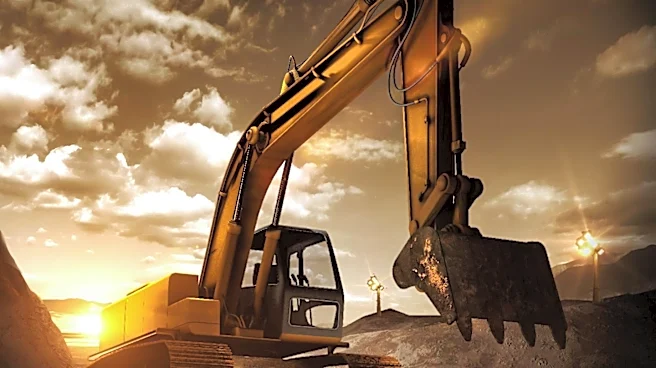
China's SINOMACH has developed specialized packages to improve the performance and durability of its excavators in extreme mining environments. These enhancements address challenges posed by high temperatures, humidity, dust, and sub-zero conditions.
For hot and humid climates, a 'heat package' includes enlarging the radiator and hydraulic oil cooler by 10% to 20%, allowing excavators to operate at full load up to 55°C ambient temperatures without overheating. This results in hydraulic oil temperatures running 5-8°C lower than standard machines. To combat dust, a cyclone pre-cleaner and a two-stage air filter double the service interval from 250 to 500 hours. Additionally, 125°C high-temperature wiring harnesses and sealed connectors reduce electrical faults. For cold regions, a 'cold package' ensures reliable starts at -30°C, extending to -40°C with a diesel-fired preheater. This package includes upsized batteries, a change to L-HV32 hydraulic oil to prevent thickening, and low-temperature nitrile and fluoro-rubber seals that remain flexible at -30°C to prevent leaks. These measures have enabled SINOMACH excavators to achieve over 20,000 hours of continuous operation in customer fleets, maintaining over 90% winter availability in regions like the CIS.
Why It's Important?
The advancements by SINOMACH in excavator technology are significant for the global mining industry, particularly in regions with extreme climates. By developing machines capable of sustained operation in temperatures ranging from -40°C to 55°C, SINOMACH is addressing critical operational challenges that often lead to downtime, increased maintenance costs, and reduced productivity. The extended service intervals for air filters and reduced electrical faults contribute to lower operational expenditures and higher equipment availability. For mining companies, this translates into more efficient resource extraction and improved profitability, as machinery can operate continuously under harsh conditions. The ability to reliably start and operate in sub-zero temperatures also expands the viable operational window for mines in cold regions, which traditionally face significant logistical and mechanical hurdles during winter months. This focus on environmental resilience positions SINOMACH as a competitive player in the heavy machinery market, offering solutions tailored to diverse and demanding global mining operations.
What's Next?
SINOMACH is expected to continue refining and expanding these specialized packages for its heavy machinery, potentially integrating more advanced sensor technology for predictive maintenance and further optimizing material science for extreme temperature resilience. The success of these packages in diverse global mining operations, including South America and the CIS region, suggests a broader adoption across other challenging environments. The company's emphasis on customer feedback and R&D collaboration indicates a continuous improvement cycle, likely leading to new innovations that further extend operational limits and reduce total cost of ownership for mining clients. Competitors in the heavy machinery sector may also be prompted to accelerate their own research and development into similar climate-resilient technologies to maintain market share. This trend could lead to a new industry standard for machinery performance in extreme conditions, benefiting mining operations worldwide.
Beyond the Headlines
The development of highly resilient excavators by SINOMACH highlights a broader trend in industrial manufacturing: the increasing demand for equipment capable of performing reliably under the most extreme environmental conditions. This is not merely an engineering challenge but also reflects the global push to extract resources from increasingly remote and climatically challenging regions. The ethical implications include ensuring that such technological advancements do not inadvertently encourage mining in ecologically sensitive areas that were previously inaccessible due to environmental constraints. Furthermore, the focus on operator comfort and safety, such as preheated cabs and improved lighting for night shifts, underscores a growing recognition of human factors in industrial design, even in harsh environments. This holistic approach, combining mechanical robustness with operator well-being, could set new benchmarks for industrial equipment design and operation, influencing safety standards and labor practices in the mining sector globally.