






What's Happening?
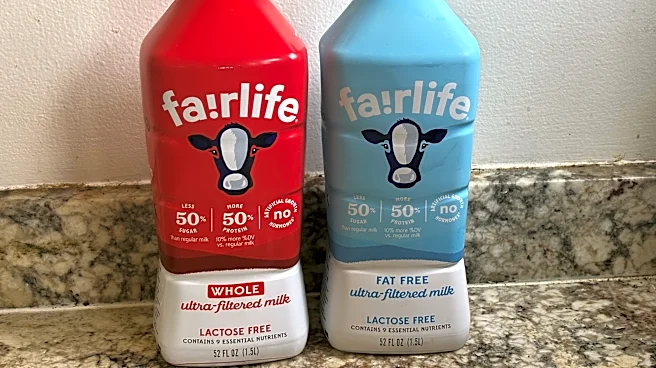
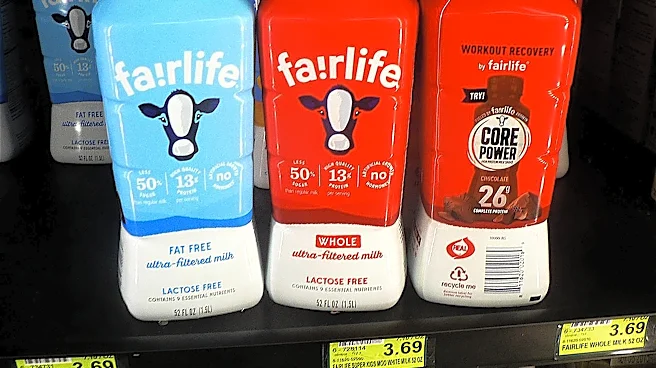
Coca-Cola's dairy subsidiary, Fairlife, has been targeted by a ransomware attack, leading to the suspension of its production operations in the United States. The company confirmed that unauthorized access by a third party affected a portion of its systems,
including those related to production. In response, Coca-Cola activated its incident response and business continuity protocols. While the full impact of the attack is still under investigation, Coca-Cola has assured that product quality and safety have not been compromised. The company is collaborating with law enforcement and cybersecurity experts to investigate the incident and restore its systems. Fairlife's production in Canada remains unaffected, and the company has not disclosed whether any customer, employee, or supplier data was accessed during the attack.
Why It's Important?
This incident highlights the growing vulnerability of the food and beverage industry to cyberattacks, particularly ransomware, which can disrupt critical operations and supply chains. The attack on Fairlife underscores the sector's reliance on continuous operations and the potential risks to business continuity. As cyber threats become more sophisticated, companies in this industry may face increased pressure to enhance their cybersecurity measures to protect against such disruptions. The attack also raises concerns about the potential financial and reputational damage to Coca-Cola and its subsidiaries, as well as the broader implications for consumer trust in product safety and supply reliability.
What's Next?
Coca-Cola is currently working with law enforcement and cybersecurity experts to investigate the attack and restore its systems. The company has not provided a specific timeline for resuming production operations in the United States. As investigations continue, Coca-Cola may need to implement additional security measures to prevent future incidents. The company will likely focus on strengthening its cybersecurity infrastructure and protocols to mitigate the risk of similar attacks. Additionally, the incident may prompt other companies in the food and beverage industry to reassess their own cybersecurity strategies and preparedness.