



What's Happening?
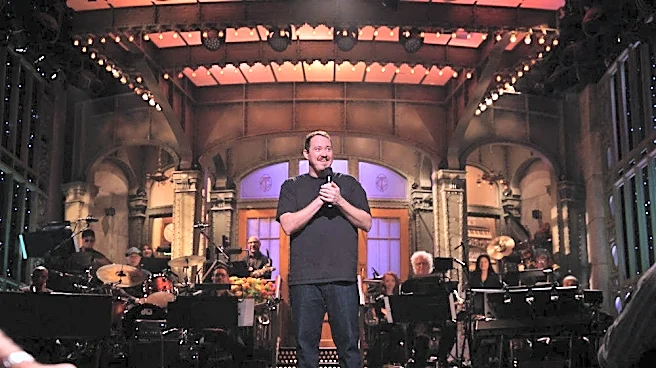
Salon has published an article criticizing comedian Shane Gillis's recent third hosting appearance on 'Saturday Night Live' (SNL), labeling his humor as unfunny and offensive. The author, Kelly McClure, argues that Gillis's comedic style, which includes
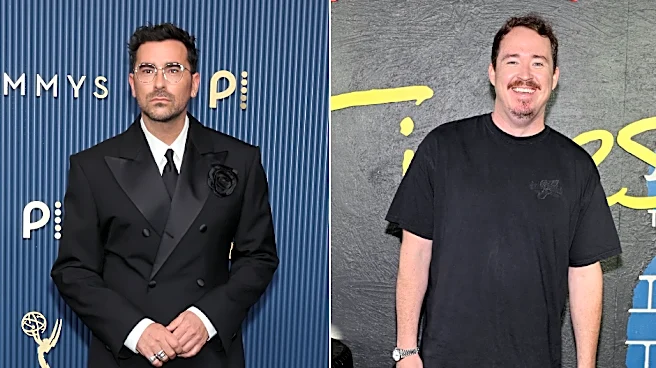
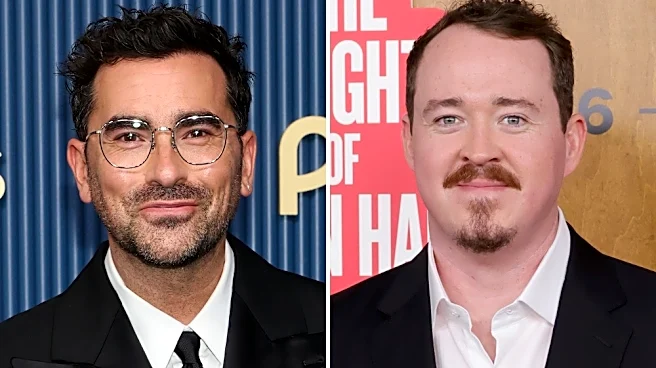
misogynistic jokes and punching down at women, appeals to the 'lowest common denominator' and has been enabled by those who have politely laughed at his material. McClure specifically references Gillis's monologue, where he made comments about women and used derogatory terms. The article also points out that Gillis was previously fired from SNL in 2019 due to racist and homophobic slurs from his podcast. Despite this, Lorne Michaels, SNL's creator, has continued to provide Gillis with a platform. McClure suggests that SNL, despite its liberal reputation, has a history of problematic humor, citing a 1970s 'Weekend Update' sketch. The piece also highlights recent criticisms from other entertainment figures, including Michael Che and Dan Levy, who have spoken out against Gillis's jokes.
Why It's Important?
This critique from Salon is important because it reignites the ongoing debate about the boundaries of comedy, free speech, and accountability in the entertainment industry. It highlights the tension between artistic freedom and social responsibility, particularly when humor is perceived as offensive or harmful. The article questions the role of platforms like SNL in amplifying voices that have previously faced backlash for controversial content, suggesting that such decisions can normalize or legitimize problematic viewpoints. For the entertainment industry, this discussion underscores the potential for reputational damage and audience alienation when comedians or shows are perceived as insensitive. It also reflects a broader cultural conversation about what constitutes acceptable humor in contemporary society and the increasing demand for inclusivity and respect. The differing reactions from within the industry, such as Michael Che's and Dan Levy's comments, indicate a divided stance on how to address such issues.
What's Next?
The immediate aftermath of such a critique often involves continued public discussion and debate across social media and other media outlets. SNL and Lorne Michaels may face renewed pressure to address the concerns raised, though the article suggests Michaels is unlikely to change his approach. Shane Gillis's career trajectory will continue to be scrutinized, with his audience and future opportunities potentially influenced by these ongoing controversies. For other comedians and content creators, this situation serves as a cautionary tale or a case study in navigating public perception and the evolving standards of humor. The broader entertainment industry may see increased internal discussions about vetting talent and the ethical implications of platforming controversial figures. This could lead to more explicit guidelines or a more cautious approach to talent selection, especially for shows with a wide public reach like SNL.
Beyond the Headlines
Beyond the immediate controversy, this situation delves into deeper societal issues regarding the normalization of offensive language and the impact of media on public discourse. The article suggests that by providing a platform to comedians like Gillis, SNL contributes to an environment where people feel emboldened to express 'ugly things' they might otherwise suppress. This raises questions about the responsibility of cultural institutions in shaping societal norms and values. The critique also touches on the concept of 'cancel culture' versus accountability, exploring whether past offenses should permanently bar individuals from public platforms or if redemption is possible. Furthermore, it highlights the persistent struggle for representation and respect for marginalized groups within comedy, as the article points out SNL's historical shortcomings in this regard. This ongoing dialogue reflects a fundamental tension in a diverse society striving for both freedom of expression and mutual respect.