







What's Happening?
ADM is introducing new soy and pea protein products to address the current shortage of whey protein and meet the increasing consumer demand for high-protein, dairy-free options. The company is launching eight new products in the soy and pea space in the first
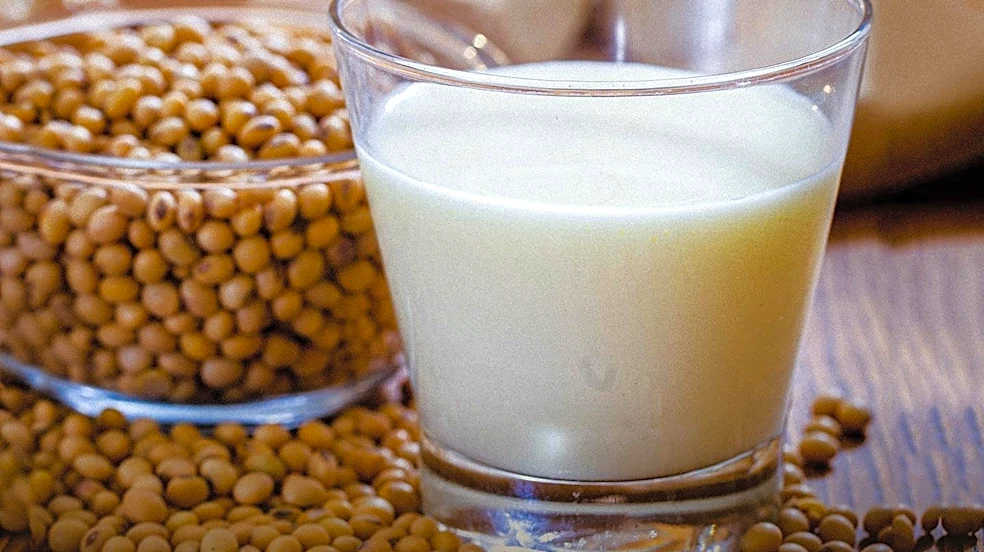
half of the year, including the soy protein isolate ProFam 883. This new isolate is designed for dairy hybrid products, such as dairy-forward ready-to-drink options and sports nutrition products, and aims to provide a creamy mouthfeel that consumers desire. The move comes as whey protein prices remain significantly higher than a year ago, driven by surging demand from mainstream fitness culture and growing interest in muscle maintenance among consumers using GLP-1 medications. Soy protein is highlighted as a nutritionally equivalent alternative to animal-based proteins, with a protein digestibility-corrected amino acid score of 1. Other ingredient suppliers are also exploring plant-based solutions to help manufacturers diversify from whey and satisfy the demand for high-protein products.
Why It's Important?
The shift towards plant-based proteins by major ingredient suppliers like ADM is critical for the U.S. food manufacturing industry, which is currently grappling with high costs and limited supplies of traditional whey protein. This development offers manufacturers viable alternatives to maintain product lines and meet evolving consumer preferences for protein-rich and dairy-free foods. The introduction of new soy and pea protein isolates, particularly those designed to mimic the textural qualities of dairy, can help stabilize supply chains and mitigate price volatility in the protein market. For consumers, this means a continued availability of diverse protein options, including hybrid products that blend plant and animal proteins, catering to both health-conscious individuals and those with dietary restrictions. The emphasis on the nutritional equivalence of soy protein to animal-based proteins also reinforces its role as a sustainable and accessible protein source, potentially influencing long-term dietary trends and product innovation across the food sector.
What's Next?
ADM plans to continue launching new products in the soy and pea protein categories annually, indicating a sustained commitment to expanding plant-based solutions. Other ingredient suppliers are also expected to further innovate in this space, with examples like Puris introducing H2-IZO, a pea protein ingredient for high-protein beverages, and Roquette launching Natralys Pea 850F. NNB Nutrition and Axiom Foods have also introduced PeptiClear, a range of hydrolyzed plant proteins. These ongoing developments suggest a future where plant-based proteins will play an increasingly central role in food formulation, not just as alternatives but as integral components of new product development. Manufacturers will likely continue to explore hybrid formulations that combine dairy and plant proteins to balance nutritional needs, functionality, cost, and consumer expectations. The focus will remain on finding the right fit for each product, ensuring that plant proteins can offer effective solutions while whey supplies remain tight and protein demand continues to grow.
Beyond the Headlines
The growing reliance on plant-based proteins like soy and pea extends beyond merely addressing a whey shortage; it signifies a broader, long-term shift in the food industry towards more sustainable and diverse protein sources. This trend is driven by increasing consumer awareness of environmental impact, ethical considerations, and health benefits associated with plant-based diets. The development of advanced plant protein isolates that can replicate the sensory attributes of dairy, such as creaminess and smooth mouthfeel, is crucial for widespread consumer acceptance and market penetration. This innovation could lead to a re-evaluation of traditional protein sources and accelerate the adoption of plant-based ingredients in a wider range of food products, from sports nutrition to everyday staples. The emphasis on regenerative agriculture practices by companies like Grupo Bimbo further underscores a holistic approach to food production, aiming for sustainability from farm to table and potentially reshaping agricultural landscapes and supply chains in the coming decades.