


What's Happening?
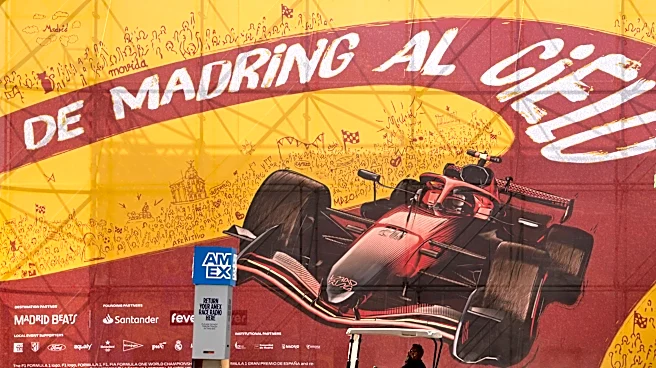
FIA president Mohammed Ben Sulayem has stated that Spain can comfortably sustain two Formula 1 races annually. This assertion comes as Madrid secures a long-term contract to host an F1 Grand Prix through 2035, while Barcelona-Catalunya transitions to an alternating
schedule, returning in 2028, 2030, and 2032. Ben Sulayem, speaking in Madrid, emphasized that having two races in Spain is logistically sensible, drawing parallels to past instances of multiple races in Italy and Germany, and the current three races in the United States. He also praised Spain's robust motorsport ecosystem, highlighting its constructors, drivers, and passionate fan base. The FIA president expressed a desire for the new Madring circuit to become a permanent fixture that leaves a lasting mark, rather than just a temporary venue. He also cautioned against an indefinite expansion of the overall F1 calendar, suggesting that 24 races are optimal, with 25 being the maximum to prevent exhaustion among drivers, teams, and personnel.
Why It's Important?
Ben Sulayem's endorsement of two F1 races in Spain signifies a potential shift in Formula 1's global strategy, aiming to capitalize on strong motorsport markets. This move could significantly impact the Spanish economy through increased tourism, infrastructure development, and job creation in both Madrid and Barcelona. For the sport itself, expanding to two venues in a single country could enhance fan engagement and provide more opportunities for local talent and businesses to participate in the F1 ecosystem. However, it also raises questions about the sustainability of such an expansion, particularly regarding the strain on teams and personnel, as highlighted by Ben Sulayem's concerns about exhaustion. The decision to maintain a cap on the total number of races, despite the desire for more venues, reflects a balancing act between commercial growth and the well-being of those involved in the sport. This approach could set a precedent for how Formula 1 manages its calendar in other regions with high demand.
What's Next?
With Madrid contracted to host annually through 2035 and Barcelona-Catalunya on an alternating schedule, the focus will be on the successful execution of these events. The FIA's stance suggests that discussions will continue regarding the feasibility and benefits of Spain hosting two annual F1 races. This could involve further negotiations with both circuits and local governments to ensure logistical and financial viability. The performance and reception of the inaugural Madring Grand Prix will be crucial in demonstrating Spain's capacity to host multiple high-profile motorsport events. Stakeholders, including F1 teams, sponsors, and local communities, will closely monitor the economic and operational impacts. The broader implication is that other countries with strong motorsport interest might also push for additional races, prompting the FIA to carefully consider its calendar expansion strategy while prioritizing the well-being of participants and the long-term health of the sport.
Beyond the Headlines
The push for two F1 races in Spain reflects a deeper trend in global sports, where major events are increasingly seen as economic drivers and national prestige boosters. The architectural ambition for the Madring circuit to be a 'permanent one, one that leaves a mark' goes beyond mere sporting infrastructure, aiming for iconic status and long-term cultural integration. This strategy aligns with the broader commercialization of Formula 1, which seeks to maximize revenue and audience reach. However, the FIA president's emphasis on limiting the total number of races due to concerns about 'exhaustion' among personnel highlights the often-overlooked human cost of such demanding global schedules. This ethical consideration underscores the tension between commercial expansion and the welfare of athletes and support staff, prompting a re-evaluation of sustainable growth models in professional sports. The balance between maximizing profit and ensuring the well-being of participants will be a critical challenge for Formula 1 and other global sports organizations moving forward.