


What's Happening?
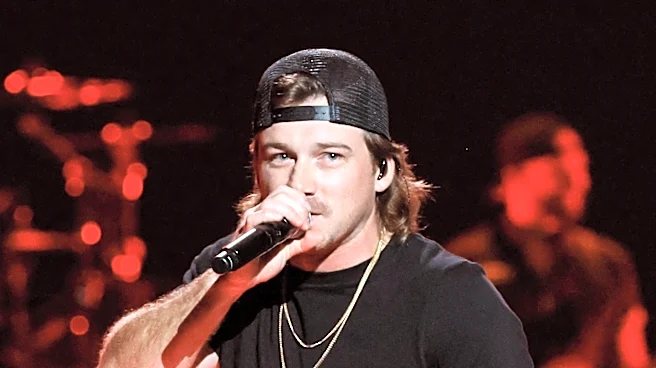
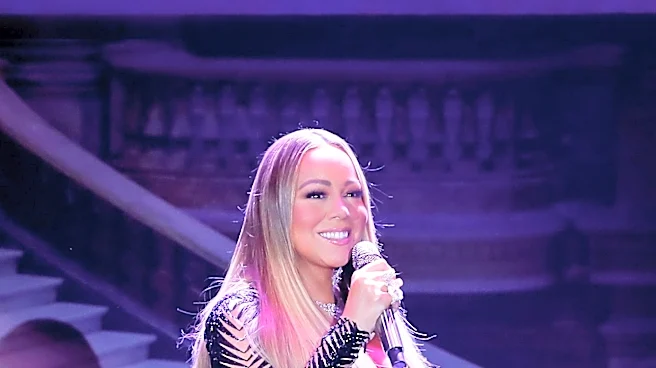
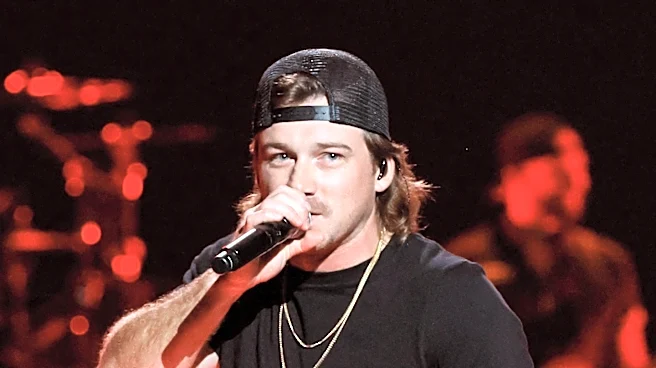
Canadian pop singer Tate McRae is once again addressing the controversy surrounding her 2025 collaboration with country artist Morgan Wallen on their hit duet, “What I Want.” Despite the song achieving significant commercial success, including becoming
McRae's first No. 1 on the Billboard Hot 100, she continues to face criticism from fans. The backlash stems from Wallen's controversial past, specifically a 2021 incident where he used a racial slur, and assumptions about his political leanings, which some fans associate with the 'MAGA' movement. McRae has previously stated that her decision to collaborate was based on the song itself and an interest in crossing genres, not political alignment. In recent interviews with Variety and W Magazine, McRae reiterated that one song should not define a person's entire identity or political views, emphasizing that there are many aspects of her personality and beliefs that her audience may not be aware of. She also highlighted her support for various organizations as a reflection of her values.
Why It's Important?
This ongoing controversy highlights the increasing scrutiny artists face regarding their associations and perceived political stances, even when those stances are not explicitly stated. For Tate McRae, a rising pop star, the sustained backlash could impact her public image and fan base, particularly among those who are politically sensitive. The situation also underscores the challenges artists encounter in navigating collaborations across different genres and fan demographics, where the actions or perceived affiliations of one artist can significantly affect another. The incident reflects a broader cultural trend where consumers and fans expect artists to align with specific social and political values, and any deviation can lead to significant public criticism. This pressure can influence artistic choices and potentially limit creative collaborations, as artists may become more cautious about who they work with to avoid similar controversies.
What's Next?
Tate McRae will likely continue to navigate questions about her collaboration with Morgan Wallen and her political views in future interviews and public appearances. Her strategy appears to be to emphasize her artistic motivations and point to her actions and support for various organizations as indicators of her character, rather than directly engaging with political labels. The long-term impact on her career will depend on how effectively she can manage public perception and whether her fan base ultimately accepts her explanations. The music industry may also see artists become more proactive in addressing potential controversies before or immediately after collaborations, or conversely, become more insular in their artistic partnerships to avoid such scrutiny. The ongoing discussion around artists' political affiliations and their impact on collaborations is expected to persist.
Beyond the Headlines
The situation with Tate McRae and Morgan Wallen delves into the complex interplay between artistic expression, public perception, and political identity in contemporary culture. It raises questions about the extent to which an artist's personal history or perceived political leanings should influence their professional collaborations and the reception of their work. The 'cancel culture' phenomenon, where individuals face severe public condemnation for past actions or associations, is a significant factor here. McRae's experience illustrates the difficulty of separating the art from the artist in an era of heightened social and political awareness. It also highlights the power of fan bases to exert pressure on artists, potentially shaping their careers and creative decisions. This dynamic can lead to a chilling effect on artistic freedom, as artists may self-censor or avoid certain collaborations to prevent alienating segments of their audience, thereby impacting the diversity and boldness of artistic output.