



What's Happening?
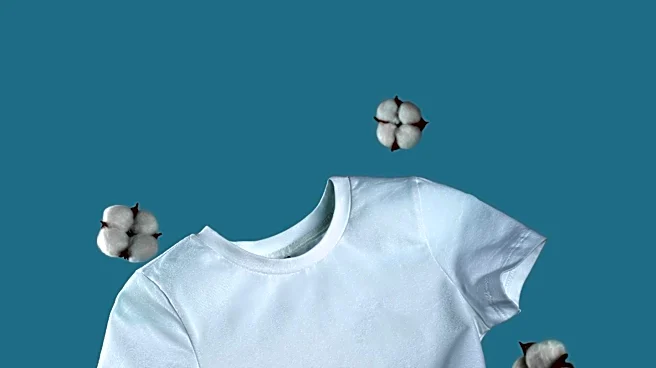
Hul le Kes has introduced the Duchamp T-shirt, crafted from upcycled eco-cotton, as the fifth edition of its Collectable Series. This garment features a relaxed, fluid silhouette with softly dropped shoulders, designed to sit comfortably away from the body.
The T-shirt carries a hand-stenciled message, 'We are de Sjaak' on the front, concluding with 'If we don’t start caring more' on the back. This message is a play on a Dutch expression about dealing with consequences and a nod to creative director Sjaak Hullekes. The design philosophy draws inspiration from Marcel Duchamp's 'Readymades,' which recontextualized ordinary objects to create new meaning. Hul le Kes applies this concept by transforming post-consumer textiles into new, valuable pieces, emphasizing care for textiles, the environment, and the future. The Duchamp T-shirt is available in various sizes, including a one-of-a-kind size 4, comparable to US men's XL and US women's XXL.
Why It's Important?
The launch of the Duchamp T-shirt by Hul le Kes highlights a growing trend in the fashion industry towards sustainability and circular economy principles. By utilizing upcycled eco-cotton and post-consumer textiles, the brand addresses the significant environmental impact of fast fashion, which contributes to massive textile waste and greenhouse gas emissions. This initiative demonstrates how design and production can shift from a linear 'produce, consume, discard' model to one that values durability and reuse. The incorporation of a social message on the garment encourages consumers to actively consider their environmental responsibility and the longevity of their clothing. This approach can influence consumer behavior by promoting conscious consumption and supporting brands that prioritize ethical and sustainable practices. The broader adoption of such models could lead to a reduction in textile waste, decreased reliance on virgin materials, and a more sustainable fashion ecosystem, benefiting both the environment and socially conscious consumers.
What's Next?
The continued success and visibility of products like the Duchamp T-shirt could encourage more fashion brands to invest in upcycling and sustainable material innovations. As consumer awareness of environmental issues grows, demand for eco-friendly clothing is likely to increase, prompting further development in textile-to-textile recycling technologies and circular design principles. Policy interventions, such as those seen in the EU and France banning the destruction of unsold goods and mandating product durability, may become more widespread, pushing the industry towards greater accountability. Hul le Kes and similar brands will likely continue to expand their collectable series, further integrating art, fashion, and environmental advocacy. The industry may also see increased collaboration between designers, material scientists, and policymakers to scale up sustainable practices and create a more resilient and circular fashion economy.
Beyond the Headlines
The Duchamp T-shirt's design, inspired by Marcel Duchamp's 'Readymades,' transcends mere fashion by embedding a philosophical statement about value and transformation. By recontextualizing discarded textiles, Hul le Kes challenges conventional notions of 'new' and 'old,' suggesting that true value can be found in repurposing and conscious creation. This approach has deeper cultural implications, encouraging a shift from a disposable consumer culture to one that appreciates the history and potential of existing materials. The hand-stenciled message on the T-shirt serves as a wearable invitation for introspection and collective responsibility, fostering a sense of community among those who wear it. This blend of artistic expression, environmental advocacy, and ethical production could inspire a broader cultural movement towards mindful consumption and creative reuse, influencing not only fashion but also other industries grappling with waste and resource depletion.