




What's Happening?
Independent wrestling promotions are facing significant challenges, including rising travel costs, a scarcity of available stars, and booking restrictions imposed by All Elite Wrestling (AEW). According to Dave Meltzer on Wrestling Observer Radio, two
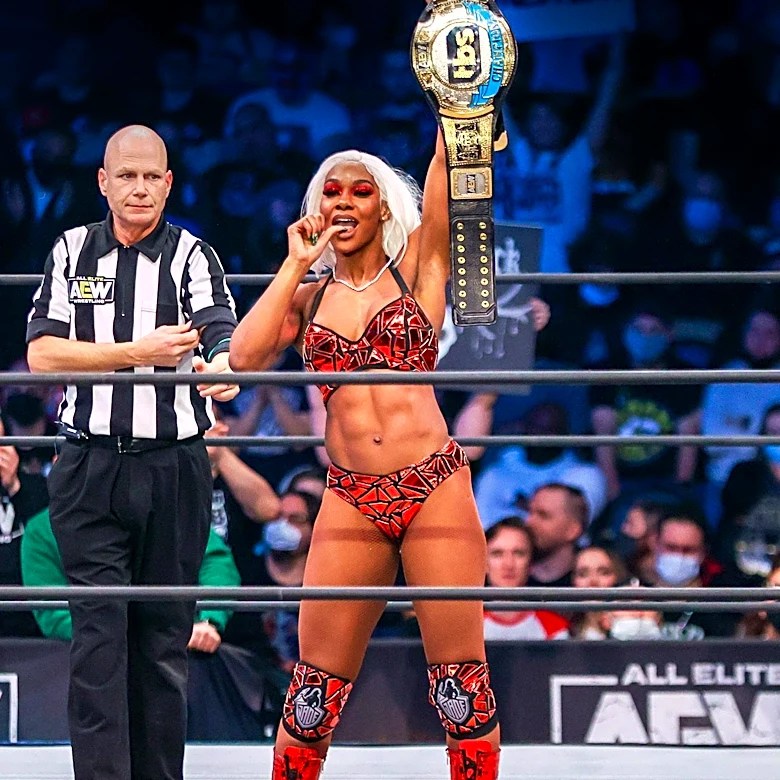
independent promotions recently announced temporary suspensions of operations, highlighting the difficulties in sustaining their business models. Meltzer explained that before AEW's emergence, independent shows frequently featured major names who are now signed to WWE or AEW. A key issue is AEW President Tony Khan's requirement to approve match outcomes for AEW talent working independent events, making it difficult for promoters to book storylines where AEW wrestlers might need to lose or face other contracted talent. This restriction complicates program development and limits the creative flexibility of independent promotions.
Why It's Important?
The booking restrictions from AEW, as detailed by Meltzer, significantly impact the ecosystem of independent wrestling in the U.S. Independent promotions often serve as crucial developmental grounds for future stars and provide diverse wrestling styles that appeal to niche audiences. By limiting creative control over AEW talent's appearances, Khan's policy inadvertently stifles the ability of independent promotions to create compelling, unpredictable storylines that draw crowds. This situation can lead to a decline in the quality and viability of independent shows, potentially reducing the talent pool for major promotions in the long run. It also shifts power dynamics, centralizing more control within major companies and making it harder for smaller promotions to thrive and innovate, ultimately affecting the diversity and accessibility of professional wrestling for fans.
What's Next?
The current trend suggests that independent wrestling promotions will continue to struggle under these conditions. Promoters may need to adapt their strategies, focusing more on local talent and building regional fan bases rather than relying on expensive, restricted appearances by national stars. The long-term impact could be a more fragmented independent scene, with fewer promotions able to achieve national recognition. AEW, and other major promotions, might face increasing pressure to re-evaluate their policies regarding independent bookings, especially if the decline of the independent circuit begins to affect the overall health and talent pipeline of the wrestling industry. The discussion around these restrictions is likely to continue among wrestling journalists and fans.
Beyond the Headlines
This situation highlights a broader economic challenge faced by smaller entities operating in the shadow of dominant industry players. Just as small businesses can be impacted by the policies of large corporations, independent wrestling promotions are feeling the squeeze from AEW's contractual and booking stipulations. This raises questions about market concentration and the potential for larger entities to inadvertently limit competition and innovation in their respective fields. The ethical implications of controlling talent's creative freedom, even when they are working outside their primary contract, also come into play. It underscores the delicate balance between protecting a company's assets (its talent) and fostering a healthy, diverse competitive landscape that benefits the entire industry.