

What's Happening?
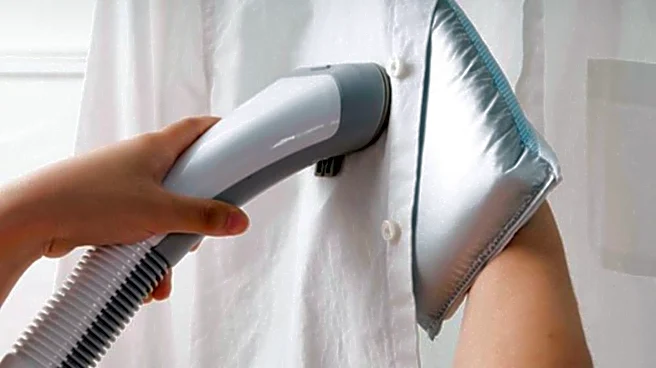
Consumer Reports has conducted an extensive evaluation of 10 popular handheld clothes steamers, concluding that modern compact devices can effectively replace traditional irons for wrinkle removal. The Conair Turbo ExtremeSteam 2-in-1 was named the top
performer, achieving full heat in just 10 seconds. The testing highlighted significant advancements in handheld steamers, including higher steam output, faster start times, and the incorporation of hybrid pressing plates. These new features enable steamers to smooth heavy fabrics like linen without the need for an ironing board. For decades, traditional irons were the standard for crisp workwear, despite the inconvenience of setting up ironing boards and waiting for soleplates to heat. The latest garment devices combine direct steam penetration with safe flat surfaces, offering a quicker alternative for daily fabric care. Consumer Reports tester Lisa Fogarty noted that using a clothing steamer has made her life much easier compared to her 20-25-year-old iron. The rigorous testing involved laboratory benchmarks and in-home trials on cotton and linen, measuring heat-up speed, steam flow, run time, surface safety, and crease removal.
Why It's Important?
This shift in garment care technology is significant for U.S. households and the home appliance industry. The findings from Consumer Reports indicate a growing trend towards convenience and efficiency in daily chores, potentially leading to a decline in the demand for traditional irons. Consumers stand to gain from faster, more convenient methods of maintaining their clothing, which can save time and effort. The appliance market may see increased innovation and competition in the handheld steamer segment, as manufacturers aim to capture this evolving consumer preference. Retailers will likely adjust their inventory to feature more advanced steamer models and potentially reduce stock of conventional irons. This evolution also impacts the perception of garment care, moving it from a time-consuming task to a quick, integrated part of daily routines. The emphasis on hybrid designs that can handle various fabric types broadens the appeal of steamers, making them a more versatile tool for a wider range of consumers.
What's Next?
Following Consumer Reports' findings, it is anticipated that consumer adoption of handheld steamers will continue to rise, potentially accelerating the phasing out of traditional irons in many U.S. homes. Appliance manufacturers are likely to further invest in research and development to enhance steamer capabilities, focusing on features like increased steam power, faster heat-up times, and more ergonomic designs. We may see new models incorporating advanced technologies such as smart sensors for fabric type detection or even integrated wrinkle-release solutions. Retailers will probably expand their offerings of handheld steamers, perhaps creating dedicated sections for these devices and offering promotions to encourage consumer transition. There could also be a marketing push from manufacturers to educate consumers on the benefits and versatility of modern steamers, dispelling the myth that they are only suitable for lightweight fabrics. This trend could also influence the travel accessories market, with more compact and efficient travel steamers becoming popular.
Beyond the Headlines
The preference for handheld steamers over traditional irons reflects broader societal shifts towards convenience, efficiency, and multi-functional products in American households. This trend extends beyond garment care, mirroring consumer desires for time-saving solutions in various aspects of daily life. Environmentally, the energy consumption of these devices could become a point of focus; manufacturers might explore more energy-efficient designs. From a design perspective, the integration of aesthetics and functionality will be crucial, as consumers increasingly seek appliances that are not only effective but also visually appealing and easy to store. The decline of the traditional iron also symbolizes a cultural shift away from more formal, labor-intensive domestic practices towards more streamlined, modern approaches to home management. This evolution could also spark discussions about the longevity and repairability of these newer, more complex devices compared to the simpler, more durable traditional irons.