





What's Happening?
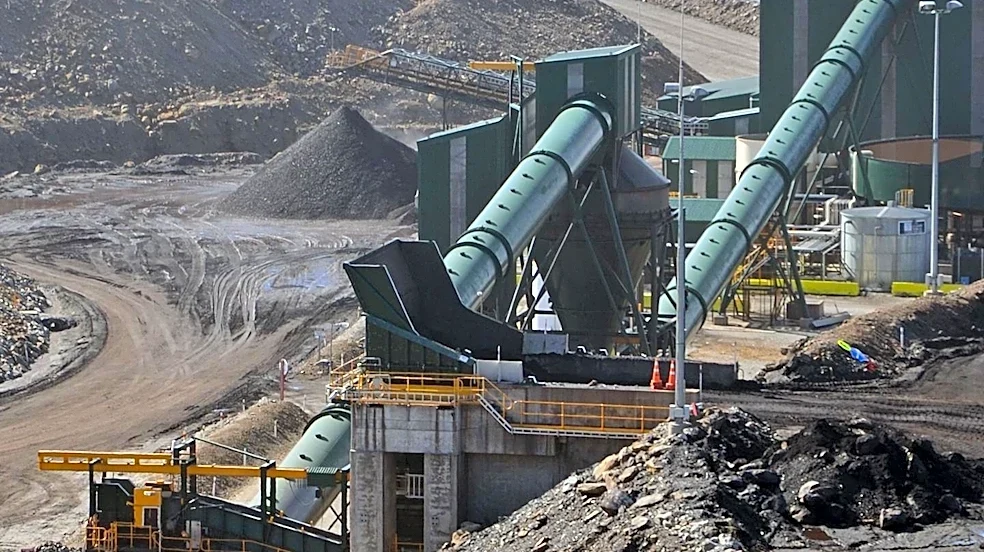
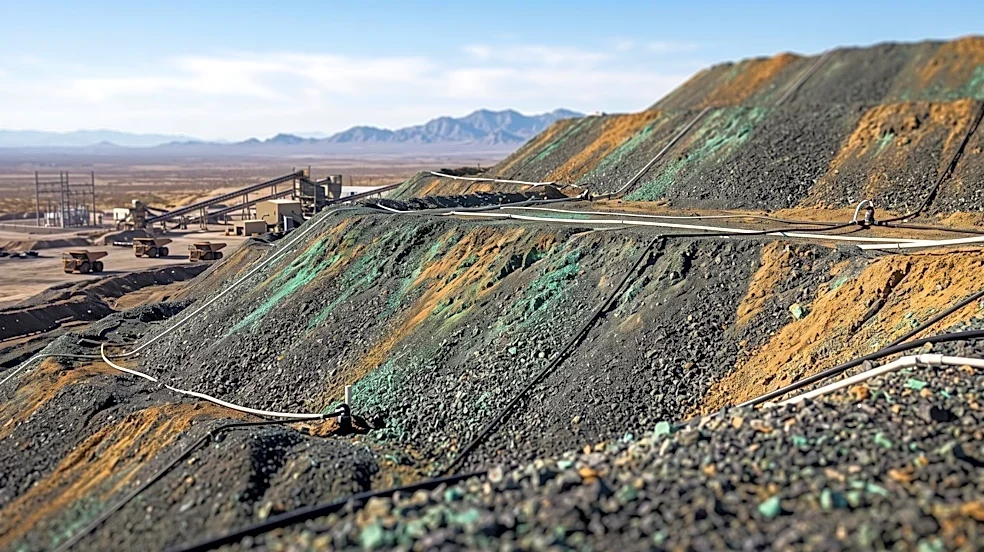
Freeport-McMoRan, the world's largest publicly traded copper producer, is investing in a new chemical compound to enhance its copper extraction from waste rock. The company aims to extract 800 million pounds of copper annually from mine waste tailings,
which contain over 40 billion pounds of copper. Leaching, the process of extracting copper from these piles, is significantly more cost-effective than traditional hard-rock mining, costing about one-third less and not requiring new permits or smelters. Although Freeport has been leaching since at least 2022, it has only achieved about 30% of its targeted copper recovery. CEO Kathleen Quirk stated that the new chemical compound, combined with heat, could boost recovery rates by at least a factor of three if field tests later this year are successful. The company's goal of reaching 800 million pounds annually by 2027 may be delayed but is expected to be met within a few years. Last year, Freeport leached 214 million pounds of copper, which helped offset declining mine production.
Why It's Important?
This development is crucial for the U.S. mining industry and global copper supply, as it addresses the increasing demand for copper while offering a more sustainable and cost-effective extraction method. By focusing on waste rock, Freeport-McMoRan can expand production without the environmental and regulatory hurdles associated with opening new mines. This innovation could significantly reduce operational costs and increase the overall efficiency of copper production, benefiting the company's profitability and potentially stabilizing copper prices. The ability to extract more copper from existing waste also aligns with broader environmental goals by minimizing waste and maximizing resource utilization. For investors, demonstrating increased production through these initiatives is key to overcoming skepticism and driving shareholder value, as noted by CEO Kathleen Quirk. The success of this technology could set a new standard for resource recovery in the mining sector, influencing other companies to adopt similar innovative approaches.
What's Next?
Freeport-McMoRan plans to conduct field tests of the new chemical compound later this year to validate its effectiveness in boosting copper recovery. The company anticipates having a clearer timeline for achieving its 800 million pounds annual leaching target by 2027. Alongside these leaching efforts, Freeport is also pursuing expansions in Arizona and Chile, indicating a multi-faceted approach to growth. CEO Kathleen Quirk emphasized that the company's primary focus is on creating value from its existing assets rather than through acquisitions. The potential for U.S. tariffs on copper, as mentioned by Quirk, is a factor that the company is monitoring, though it does not currently influence investment decisions. The company will continue to work towards resuming full production at its Grasberg mine in Indonesia by the end of 2027, following a mud flow incident.
Beyond the Headlines
The innovation in copper leaching represents a significant step towards a circular economy within the mining industry. By transforming what was once considered waste into a valuable resource, Freeport-McMoRan is not only enhancing its economic output but also reducing its environmental footprint. This approach could mitigate the ecological impact of mining by decreasing the need for new mining sites and reducing the volume of tailings. The development of specialized chemical compounds for resource recovery highlights the growing importance of chemical engineering and materials science in addressing industrial challenges. Furthermore, the company's focus on internal growth and technological solutions, rather than relying solely on acquisitions, suggests a strategic shift towards sustainable and self-sufficient expansion. This could inspire other resource-intensive industries to explore similar innovative methods for maximizing existing resources and minimizing waste, contributing to broader sustainability goals.