








What's Happening?
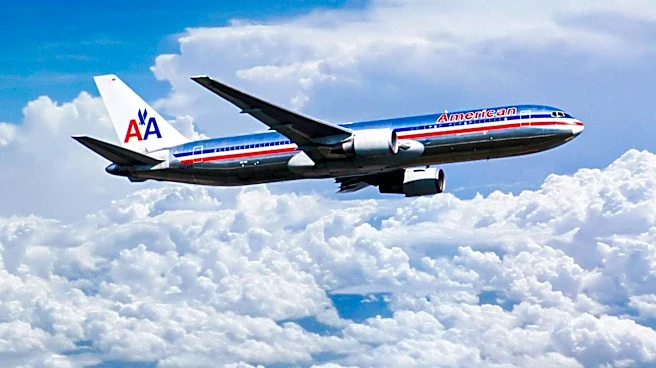
American Airlines and Taiwan's Starlux Airlines have applied to the U.S. Department of Transportation for authority to establish a codeshare partnership. This agreement would allow American Airlines to place its AA code on Starlux-operated flights between
Taiwan and the U.S., and vice versa. The partnership aims to enhance connectivity by allowing passengers to book single-ticket itineraries across both airlines' networks. This move follows an interline partnership initiated in August 2025, which facilitated travel between Starlux’s Taipei hub and over 250 destinations in American's domestic network. The codeshare agreement also includes operational coordination, reciprocal lounge access for premium passengers, and frequent-flyer program integration. Starlux, which began operations in 2020, is expanding its fleet and international reach, with plans to grow to 76 aircraft by 2033 and launch new routes to Europe and North America.
Why It's Important?
The proposed codeshare partnership between American Airlines and Starlux Airlines is significant as it enhances travel options and connectivity between the U.S. and Taiwan, a key international market for Starlux. This collaboration could increase competition in the transpacific market, offering more choices for travelers and potentially lowering fares. For American Airlines, this partnership strengthens its presence in Asia, while Starlux gains access to a broader U.S. network, enhancing its competitive position against established Taiwanese carriers like EVA Air and China Airlines. The agreement also reflects a growing trend of airlines forming strategic alliances to expand their global reach without the need for additional aircraft or routes.
What's Next?
If approved, the codeshare partnership will likely lead to increased passenger traffic between the U.S. and Taiwan, benefiting both airlines. Starlux plans to continue its expansion by adding new destinations in Europe and North America, which could further enhance its market share. The partnership may prompt competitive responses from other airlines operating in the U.S.-Taiwan market, potentially leading to more alliances or service enhancements. Additionally, the success of this partnership could encourage other airlines to pursue similar agreements, further integrating global air travel networks.