






What's Happening?
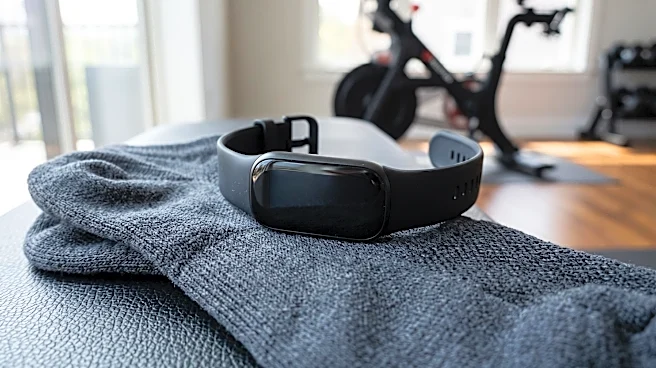
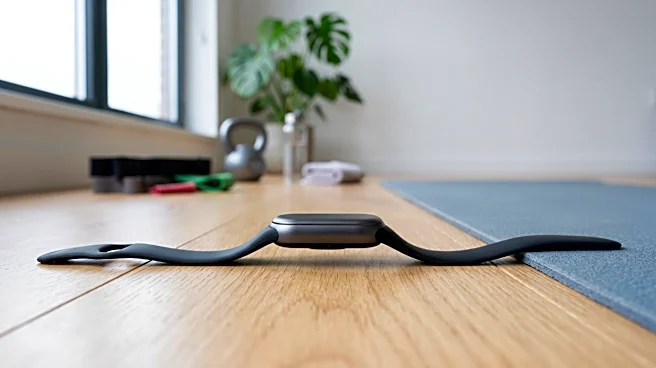
Fitbit has released the Fitbit Edge, a new fitness tracker that includes a user-replaceable battery, a feature not commonly found in most wearables. This development follows concerns that Google might abandon Fitbit devices in favor of the Pixel Watch.
While the user-replaceable battery theoretically allows the device to last indefinitely, provided Google maintains app support and compatible batteries are available, the replacement process is not straightforward. It requires specialized tools and a delicate procedure, making it a complex task for the average user. The Fitbit Edge is an apparent successor to the Charge series, though it lacks features like Google Pay and EDA scans for stress measurement.
Why It's Important?
The inclusion of a user-replaceable battery in the Fitbit Edge represents a significant shift in the wearable technology market, which has historically seen devices with non-replaceable batteries that contribute to planned obsolescence. This move could potentially extend the lifespan of fitness trackers, offering consumers a more sustainable option and reducing electronic waste. However, the complexity of the replacement process might deter many users, limiting the practical impact of this feature. For Google, this could be a strategy to address consumer concerns about device longevity and environmental impact, while also potentially creating a new market for specialized repair services or parts. The success of this feature could influence future design choices across the wearable industry, pushing other manufacturers to consider similar user-serviceable components.
What's Next?
It remains to be seen how many Fitbit Edge users will actually attempt to replace their device's battery given the technical challenges involved. The availability of detailed guides, such as those from iFixit, may encourage some users, but the risk of damaging the device during the process is a significant deterrent. Google will likely monitor user engagement with this feature to determine its viability and potential for future product lines. The broader wearable market will also be watching to see if this trend towards user-replaceable components gains traction, potentially leading to new industry standards for device repairability and sustainability. The long-term availability of compatible batteries and continued app support from Google will be crucial for the success of this initiative.
Beyond the Headlines
The decision to include a user-replaceable battery, despite its complexity, highlights a growing tension between consumer demand for sustainable, long-lasting products and manufacturers' traditional business models that often rely on frequent upgrades. This move by Fitbit, under Google's ownership, could be seen as a response to the 'right to repair' movement, which advocates for consumers' ability to fix their own electronic devices. While not as simple as replacing AA batteries, it signals a potential shift towards greater transparency and user empowerment in the tech industry. The ethical implications of product longevity and environmental responsibility are becoming increasingly important, and companies that embrace repairability, even with challenges, may gain a competitive edge and improve brand perception among environmentally conscious consumers.