





What's Happening?
New approaches to meal preparation are shifting away from rigid, large-batch cooking towards more flexible and modular methods. Instead of preparing identical meals for the entire week, the focus is on creating versatile components that can be mixed and matched
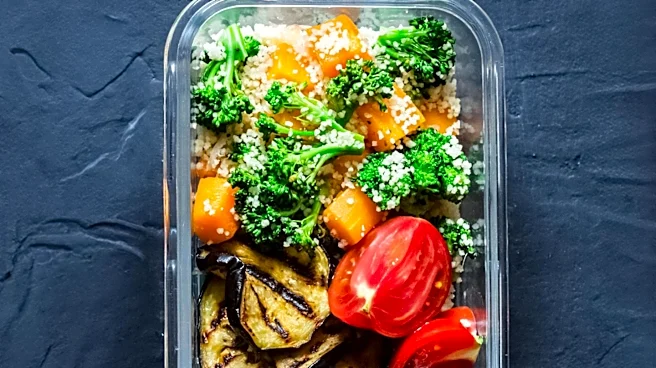
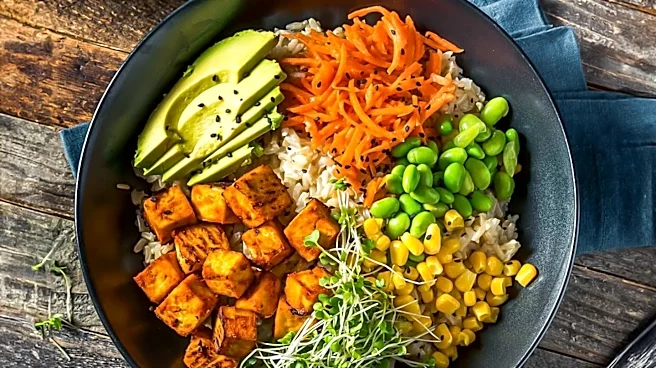
to form different dishes. This strategy aims to combat meal fatigue and make healthy eating more sustainable in the long term. For instance, one might prepare spiced lentils, shredded chicken, roasted vegetables, and various sauces, which can then be combined into warm bowls, wraps, or salads throughout the week. This adaptable system allows individuals to adjust their meals based on their appetite, schedule, and preferences, reducing the likelihood of abandoning meal prep due to boredom or inconvenience. The concept also introduces different levels of preparation, from 'full prep' involving roasting vegetables and cooking grains, to 'light prep' like washing greens and boiling eggs, and 'emergency prep' utilizing frozen vegetables and tinned fish, ensuring options are available even when time is limited.
Why It's Important?
This evolution in meal prep is significant for promoting healthier eating habits and reducing food waste in U.S. households. Traditional, rigid meal prep often leads to monotony, causing individuals to abandon their efforts and revert to less healthy, convenient options. By emphasizing modular components and adaptable strategies, this approach makes healthy eating more accessible and enjoyable, potentially leading to sustained dietary improvements. For individuals, it reduces decision fatigue and time spent cooking daily, freeing up valuable hours. For the food industry, it highlights a growing consumer demand for versatile, customizable food solutions and ingredients that support flexible meal assembly. Furthermore, by encouraging the use of prepared components and 'emergency prep' options, it can help minimize food spoilage and waste, aligning with broader sustainability goals. This shift could also influence product development in the grocery sector, favoring ingredients that lend themselves well to multi-purpose use.
What's Next?
The trend towards flexible and modular meal prep is likely to continue gaining traction, influencing how food companies and health programs design their offerings. We can anticipate an increase in pre-prepped, versatile ingredients available in grocery stores, such as pre-cooked grains, seasoned proteins, and diverse sauce options. Meal kit services may also adapt by offering 'component kits' rather than fully assembled meals, allowing subscribers more creative freedom. Educational initiatives promoting healthy eating will likely incorporate these adaptable meal prep strategies, teaching consumers how to build a repertoire of versatile components. Furthermore, the emphasis on 'if-then' planning—such as having a quick, healthy meal plan for late evenings—will become a more common recommendation for maintaining dietary consistency. This approach could also lead to more personalized nutrition coaching, where individuals are guided to create meal prep systems that align with their unique lifestyles and preferences.
Beyond the Headlines
Beyond the immediate benefits of convenience and healthier eating, this shift in meal prep reflects a deeper cultural move towards personalization and flexibility in daily routines. It challenges the 'one-size-fits-all' mentality often associated with diet and wellness trends, acknowledging that individual needs and circumstances vary greatly. Ethically, it promotes a more mindful relationship with food, encouraging individuals to pause, notice hunger cues, and adjust their intake, rather than adhering strictly to predetermined portions. This can foster a healthier psychological approach to eating, reducing feelings of guilt or failure when plans deviate. Environmentally, by reducing food waste through adaptable planning and the use of versatile ingredients, it contributes to more sustainable consumption patterns. This evolution in meal prep is not just about what we eat, but how we approach food preparation and consumption as an integral part of a balanced and adaptable lifestyle.