




What's Happening?
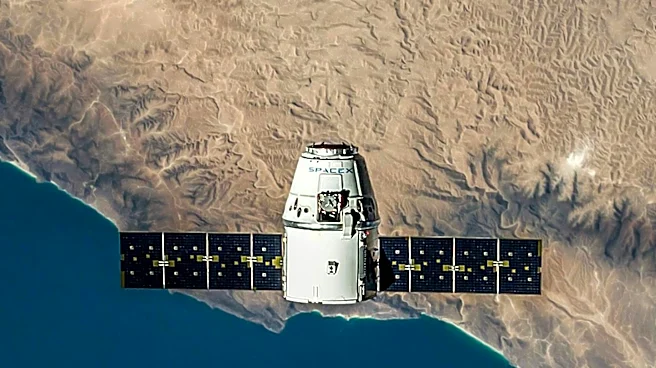
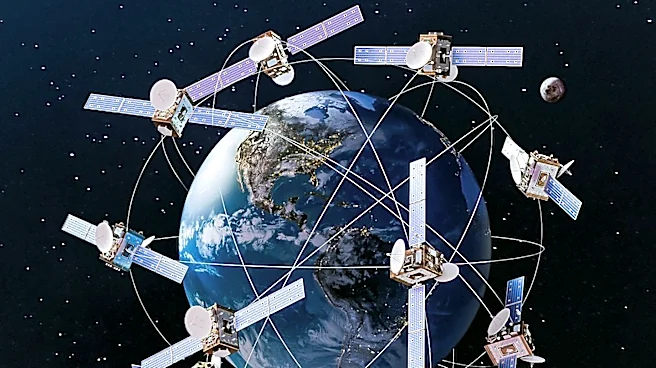
The Federal Communications Commission (FCC) has approved SpaceX's proposal to deploy one million Starmind orbital satellites, or compute modules, designed to function as data centers in space. This marks the first authorization of its kind in U.S. history.
The FCC stated that this initiative will support America's growing 'super intelligence economy' and could advance humanity towards a 'Kardashev II civilization.' SpaceX argued that these space-based data centers would harness constant solar power, leading to significant cost and energy efficiencies while reducing the environmental impact associated with terrestrial data centers. The approval mandates that SpaceX begin deployment by November 2033, deploy 100,000 satellites by November 2035, and 50% of the total by November 2038. This decision comes amidst a push for alternative data processing solutions as the artificial intelligence industry expands, placing increasing demands on Earth's power grids and water supplies.
Why It's Important?
This FCC approval is a significant development for the U.S. technology and space industries, potentially positioning the nation at the forefront of space-based data processing. The deployment of orbital data centers could alleviate the environmental and infrastructural strain on terrestrial data centers, which consume vast amounts of electricity and water. For SpaceX, this authorization validates a key component of its valuation, especially after the company went public. The project could also spur innovation in satellite technology, reusable rocket development, and space infrastructure. However, critics, including Amazon's rival satellite unit, Leo, have raised concerns about the feasibility and timeline of deploying such a large constellation, suggesting it could take centuries. The Government Accountability Office (GAO) also highlighted engineering challenges, such as heat dissipation in space and the potential for increased satellite collisions, indicating that the technology is still in its early stages.
What's Next?
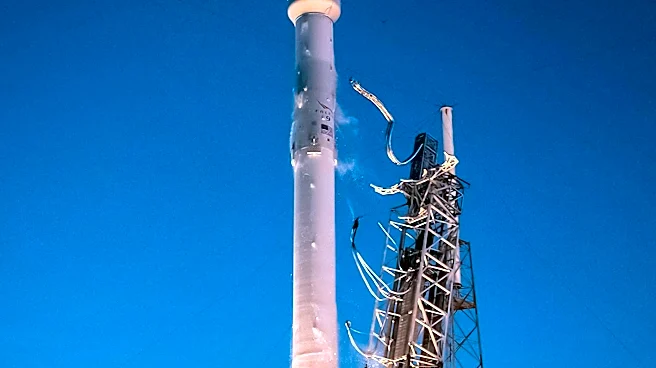
SpaceX is now tasked with meeting the FCC's deployment deadlines, starting with the initial launch by November 2033 and reaching 100,000 satellites by November 2035. The company will likely focus on further developing its Starship rocket, which is crucial for the cost-effective deployment of such a large number of satellites. The project's progress will be closely watched by competitors and regulators, especially regarding the technical challenges of operating data centers in space and managing the increased orbital traffic. The debate over the environmental impact and long-term viability of space-based data centers is also expected to continue, with ongoing scrutiny from organizations like the GAO and rival companies. Future regulatory decisions may also be influenced by the initial success and challenges faced by SpaceX in this ambitious endeavor.
Beyond the Headlines
The approval of space-based data centers introduces profound implications beyond immediate technological and economic benefits. Ethically, it raises questions about the long-term sustainability of orbital environments, particularly concerning space debris and potential collisions, which could impact future space exploration and satellite operations. Legally, it sets a precedent for regulating commercial activities in space, potentially leading to new international frameworks for space resource utilization and environmental protection. Culturally, this move signifies a shift towards viewing space not just as a frontier for exploration but as an extension of Earth's infrastructure, potentially altering our perception of global connectivity and data management. The concept of a 'Kardashev II civilization' also hints at a long-term vision of humanity's energy and technological capabilities, pushing the boundaries of what is currently considered feasible and raising philosophical questions about our place in the cosmos.