








What's Happening?
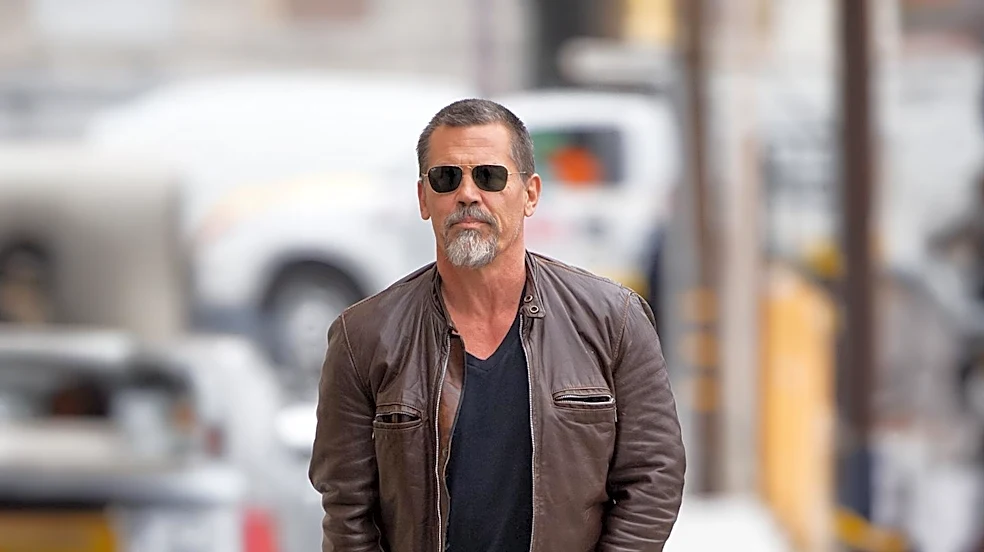
Actor Josh Brolin has discussed a period in his career following a 1996 film that he believes led to him being 'blacklisted' in Hollywood for a decade. Despite early success with Steven Spielberg's 1985 film 'The Goonies,' Brolin faced a challenging path
in the industry. He made a film called 'Thrashin'' the year after 'The Goonies,' which he was reportedly ashamed of. While he continued to secure small roles, his career trajectory was not smooth. The turning point, according to Brolin, came with the 1996 indie comedy 'Flirting With Disaster,' directed by David O. Russell. Brolin revealed that Miramax, the studio behind the film, initially opposed his casting, viewing him as 'damaged goods' due to his perceived lack of significant success after 'The Goonies' and personal struggles, including his mother's passing during rehearsals. Russell, however, advocated for Brolin after a strong audition. Brolin stated that he became a 'Miramax guy' for a time, but after turning down a role, he felt he was 'blacklisted for 10 years.' During this period, he even pursued a career in stock market trading before landing the lead role in the Coen Brothers' 2007 film 'No Country for Old Men,' which revitalized his acting career.
Why It's Important?
This account from Josh Brolin highlights the often-unpredictable and challenging nature of a career in the entertainment industry, even for those with early success and familial connections. His experience underscores the significant influence that studio perceptions and individual career choices can have on an actor's trajectory. The concept of being 'blacklisted' or deemed 'damaged goods' reveals the harsh realities and subjective judgments that can impact an artist's opportunities, potentially leading to prolonged periods of professional stagnation. Brolin's eventual resurgence with 'No Country for Old Men' and subsequent Oscar nomination for 'Milk' demonstrates the possibility of overcoming such setbacks, but also emphasizes the critical role of pivotal projects and persistent effort in rebuilding a career. His story offers a glimpse into the power dynamics within Hollywood, where a single decision or a perceived misstep can have long-lasting consequences on an actor's marketability and access to major roles.
What's Next?
While Brolin's 'blacklisting' period is a past event, his reflections contribute to ongoing discussions within the entertainment industry about career longevity, the pressures faced by actors, and the impact of studio politics. For Brolin himself, his career has since flourished, with notable roles in major franchises like Marvel's 'Avengers' series as Thanos. His continued success suggests that the industry, while capable of harsh judgments, also offers avenues for redemption and sustained careers for resilient talents. The narrative of his career arc may serve as an inspirational example for aspiring actors facing similar challenges, illustrating that perseverance and securing the right roles can lead to significant comebacks. Discussions around industry practices and actor welfare may continue to draw on such personal accounts to advocate for more supportive and less punitive environments.
Beyond the Headlines
Brolin's candid reflection on being labeled 'damaged goods' and subsequently 'blacklisted' touches upon deeper ethical and cultural dimensions within the entertainment industry. It raises questions about the industry's treatment of talent, particularly during periods of personal or professional vulnerability. The pressure to maintain a consistent level of success and the swiftness with which actors can be marginalized for perceived failures or non-conformity to studio expectations are significant issues. This narrative also highlights the psychological toll such experiences can take on individuals, forcing them to consider alternative career paths. Furthermore, Brolin's eventual success after a decade in the 'wilderness' challenges the notion of a singular, linear path to stardom, suggesting that resilience, self-reinvention, and the opportune alignment with visionary directors like the Coen Brothers can redefine an actor's legacy. It underscores the importance of artistic integrity and personal conviction in navigating a highly competitive and often unforgiving professional landscape.