




What's Happening?
Electric cars (EVs) are increasingly being considered as an alternative to petrol cars, driven by advancements in technology and changing consumer preferences. EVs operate using electric motors powered by rechargeable batteries, contrasting with petrol cars that
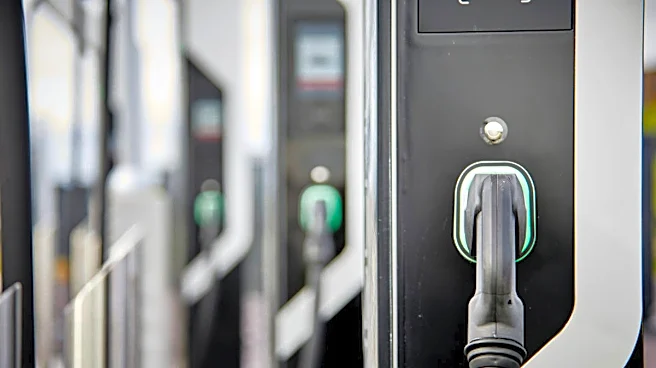
use internal combustion engines. Key advantages of electric cars include zero tailpipe emissions, lower running costs (especially when charging at home), and reduced maintenance expenses due to fewer moving parts. Government incentives and local clean-air schemes further enhance their appeal. However, EVs typically have a higher upfront purchase price for some models, and their range can be less than that of petrol cars. Charging an EV also takes considerably longer than refueling a petrol car, and public charging can be less convenient or more expensive than home charging.
Why It's Important?
The ongoing debate between electric and petrol cars has significant implications for environmental policy, consumer economics, and the automotive industry. The shift towards EVs is crucial for reducing carbon emissions and improving air quality, aligning with broader climate goals. For consumers, the potential for substantial savings on fuel and maintenance costs, coupled with government grants, can make EVs an attractive long-term investment despite higher initial costs. This transition also drives innovation in battery technology, charging infrastructure, and vehicle design. However, the challenges of charging infrastructure availability and speed, along with the higher upfront cost, can create barriers to adoption for some consumers, highlighting the need for continued policy support and technological advancements to make EVs accessible to a wider population.
What's Next?
The future of the automotive market will likely see continued growth in EV adoption, supported by ongoing technological improvements and policy initiatives. While petrol and hybrid cars are expected to remain on the roads for many years, the trend favors electric vehicles. Manufacturers are working to address current limitations, such as battery range and charging times, to make EVs more competitive and convenient. The expansion of public charging networks and the development of faster charging technologies will be critical in overcoming range anxiety and convenience issues. Additionally, government policies will continue to play a role in incentivizing EV purchases and supporting infrastructure development. The long-term goal is to make EV ownership as seamless and affordable as possible, ultimately leading to a more sustainable transportation system.
Beyond the Headlines
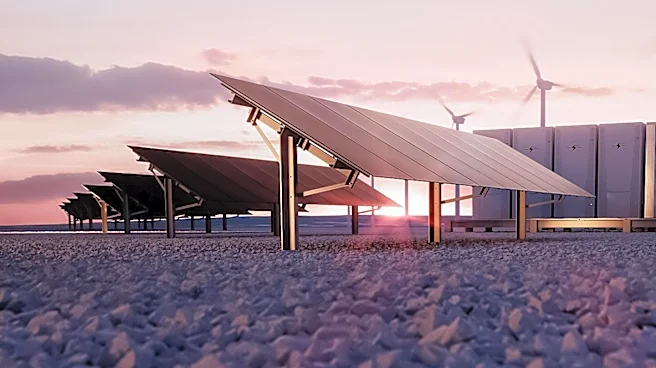
Beyond the immediate pros and cons, the transition to electric vehicles represents a fundamental change in energy consumption patterns and urban planning. The reliance on electricity for transportation necessitates a robust and renewable energy grid, potentially accelerating investments in solar, wind, and other clean energy sources. The shift also impacts urban infrastructure, requiring more charging stations in residential areas, workplaces, and public spaces. Furthermore, the increased weight of EVs due to battery packs could influence road design and maintenance. The long-term implications include a potential decrease in demand for fossil fuels, reshaping global energy markets and geopolitical dynamics. The evolution of EVs is not just about cars; it's about a broader re-imagining of energy, infrastructure, and environmental responsibility.