



What's Happening?
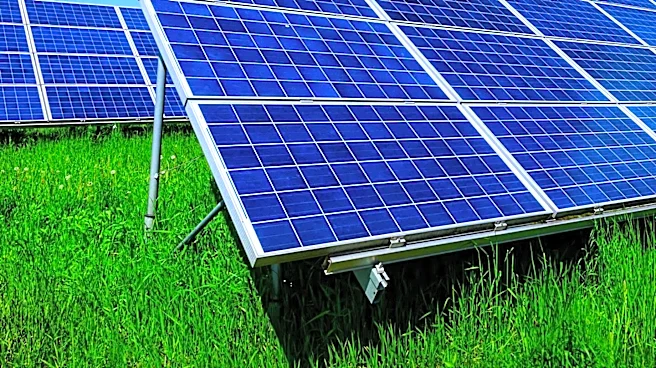
Upshur Rural Electric Cooperative (URECC) is providing comprehensive information to East Texas residents regarding residential solar energy, outlining both its benefits and challenges. The cooperative emphasizes that while solar energy offers a clean
carbon footprint and potential electricity bill reductions, the initial investment for equipment and installation can be substantial, ranging from $15,000 to $20,000 for a 5-kW system, plus additional costs for battery storage. URECC clarifies that solar panels do not eliminate electric bills entirely, as homeowners still rely on the grid during nights or cloudy days. Furthermore, in Texas, electric companies are not legally bound to buy back excess power from residential solar systems at retail rates, and URECC itself allows net metering but does not guarantee buyback due to associated costs and the need to act in the best interest of all members.
Why It's Important?
This information is crucial for U.S. homeowners, particularly in East Texas, considering solar energy adoption. It provides a realistic perspective on the financial and operational aspects of residential solar, dispelling common myths and highlighting potential pitfalls. The clarification on buyback rates and grid reliance is particularly significant, as it directly impacts the economic viability of solar investments for individual households. For URECC, this initiative is important for managing member expectations and ensuring transparency in a rapidly growing industry. It also underscores the challenges faced by electric cooperatives in integrating renewable energy sources while maintaining grid stability and equitable cost distribution among all members, reflecting a broader national conversation on energy transition and infrastructure.
What's Next?
As residential solar adoption continues to grow, URECC's efforts to educate its members will likely intensify, potentially leading to more detailed guides, workshops, or direct consultation services. The cooperative may explore new policies or partnerships to address the challenges of excess power buyback and grid integration, especially as the number of solar-equipped homes increases. Homeowners are advised to conduct thorough research, consult reputable local companies, and understand all contractual obligations before investing in solar systems. The Texas Department of Licensing and Regulation (TDLR) and the Public Utility Commission of Texas (PUCT) will continue to regulate contracts and utility practices, providing resources for consumers to navigate the evolving solar market and protect themselves from scams.
Beyond the Headlines
The discussion around residential solar energy, as presented by URECC, touches upon broader implications for energy policy, consumer protection, and environmental sustainability in the U.S. The high initial cost of solar systems and the complexities of grid integration highlight the need for supportive government incentives and technological advancements to make solar more accessible and efficient. The issue of excess power buyback also raises questions about the future of energy markets and the role of individual prosumers in the larger energy ecosystem. Ethically, the emphasis on reputable companies and scam awareness underscores the importance of consumer trust and ethical business practices in emerging industries. This transition to renewable energy, while environmentally beneficial, requires careful planning and transparent communication to ensure a just and equitable outcome for all stakeholders.