






What's Happening?
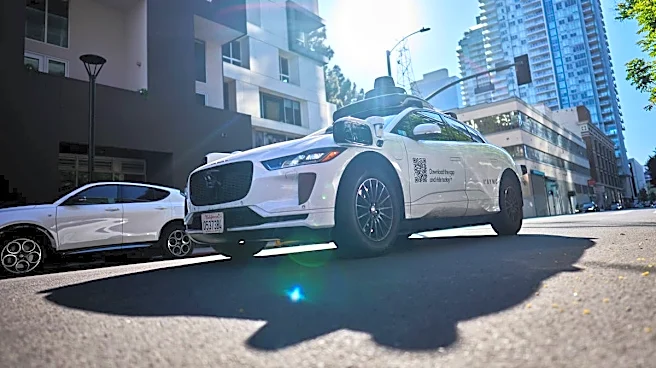
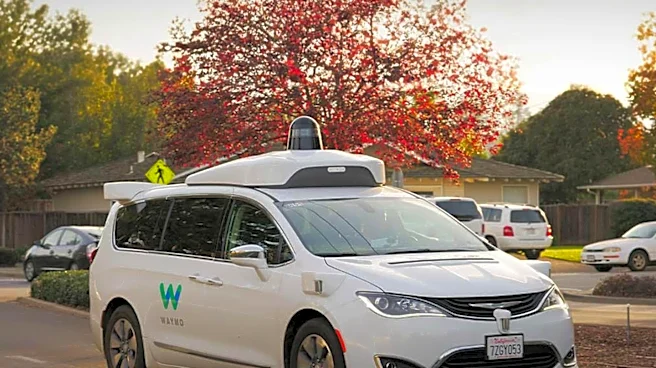
Uber and Alphabet's Waymo are set to end their exclusivity arrangement in Atlanta and Austin, Texas, by early 2028. This change will allow Waymo to launch its own app in these cities, alongside its existing deployment with Uber. The decision reflects
Waymo's success in attracting riders in various U.S. cities without exclusive deals, as its robotaxis are operational in nine other markets. The current contract allows Waymo's robotaxis to remain available on Uber through May 2028. This move will enable Uber to incorporate other autonomous vehicles into its platform in these cities. The development comes amid internal discussions at Waymo about potentially splitting from Uber due to tensions over conflicting policy proposals.
Why It's Important?
The end of the exclusivity agreement between Uber and Waymo marks a significant shift in the autonomous vehicle market. It highlights the growing competition and the need for flexibility in partnerships within the industry. For Uber, this change allows the integration of various autonomous vehicle technologies, potentially enhancing its service offerings. For Waymo, launching its app in new markets could increase its market presence and user base. The decision may also influence other companies in the autonomous vehicle sector to reconsider their partnership strategies, potentially leading to more diverse and competitive offerings for consumers.
What's Next?
As Waymo prepares to launch its app in Atlanta and Austin, both companies will likely focus on optimizing their services to attract and retain users. Uber may seek additional partnerships with other autonomous vehicle developers to diversify its offerings. The industry could see increased competition as companies strive to establish dominance in the growing robotaxi market. Stakeholders, including city officials and regulators, will need to address the implications of these changes on urban transportation and infrastructure.