






What's Happening?
The simplicity and minimalist living trend is experiencing a surge in popularity, as individuals increasingly seek a leaner lifestyle to achieve greater fulfillment and peace. This approach centers on living with less, prioritizing simplicity, clarity,
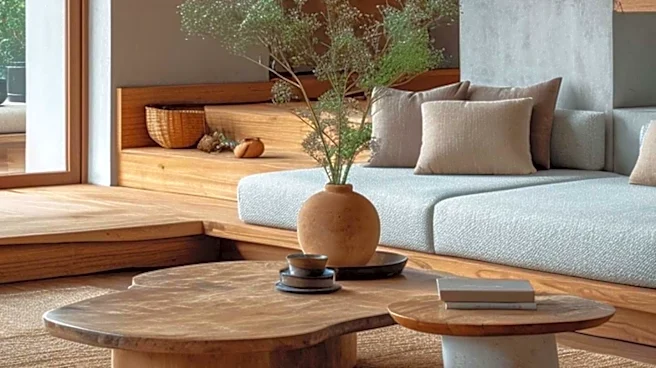
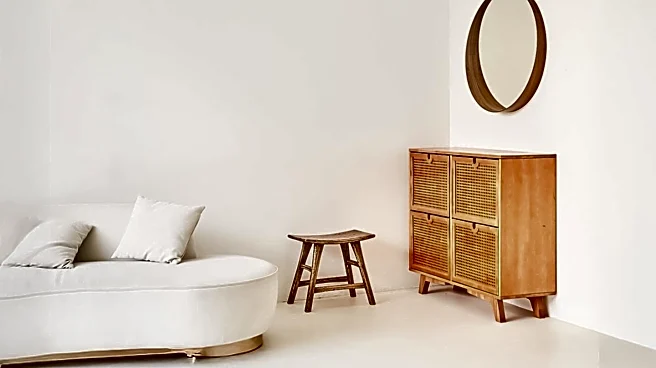
and utility to alleviate stress and enhance mental clarity. Minimalist living extends beyond mere design aesthetics, becoming a conscious lifestyle choice aimed at fostering a clutter-free environment. Key aspects include simplifying wardrobes by curating versatile, high-quality pieces that transcend fleeting trends, and embracing timeless fashion. The trend also significantly influences home decor, with modern minimalism and eco-friendly designs becoming favored choices for both indoor and outdoor spaces. This movement is further supported by contemporary window treatment trends, which lean towards clean and modern designs such as ripple fold drapery and pinch-pleat curtains, reflecting a broader desire for uncluttered and functional living spaces.
Why It's Important?
This growing trend holds significant implications for U.S. industries, particularly in retail, home goods, and fashion. As consumers increasingly adopt minimalist principles, there will be a shift in demand from quantity to quality, and from fast fashion to durable, versatile pieces. Businesses that adapt by offering sustainable, multi-functional, and timeless products are likely to gain market share, while those relying on high-volume, disposable goods may face challenges. The emphasis on eco-friendly designs within minimalism also aligns with broader environmental concerns, potentially driving innovation in sustainable manufacturing and consumption. For individuals, the psychological benefits of reduced stress and increased mental clarity associated with minimalist living could lead to improved well-being and a re-evaluation of consumerist values. This cultural shift could also influence urban planning and housing design, favoring smaller, more efficient living spaces and a greater focus on community and shared resources over individual accumulation.
What's Next?
The minimalist living trend is expected to continue its expansion, influencing various sectors and consumer behaviors. We may see an increased focus on 'experience over possessions' in marketing and lifestyle choices. Retailers are likely to further develop curated collections of essential, high-quality items, moving away from excessive inventory. The real estate market might observe a growing demand for smaller, well-designed homes and apartments that facilitate a minimalist lifestyle. Furthermore, the trend could spur more innovation in smart home technology and modular furniture, designed to maximize utility and minimize clutter. Educational initiatives promoting decluttering and mindful consumption could also become more prevalent, as society grapples with the environmental and psychological impacts of overconsumption. The fashion industry will likely continue its pivot towards sustainable materials and ethical production, catering to a consumer base that values longevity and environmental responsibility.
Beyond the Headlines
Beyond its immediate impact on consumer markets, the minimalist living trend touches upon deeper societal and ethical considerations. It challenges the prevailing consumer culture that often equates happiness with material acquisition, prompting a re-evaluation of what truly constitutes a fulfilling life. Ethically, the movement encourages more responsible consumption, reducing waste and the environmental footprint associated with manufacturing and disposal. Culturally, it fosters a greater appreciation for simplicity, functionality, and intentionality, potentially leading to a less cluttered and more focused society. This shift could also influence mental health, as individuals find relief from the psychological burden of excessive possessions and the constant pressure to acquire more. The long-term implications could include a more sustainable economy, a greater emphasis on community and personal growth, and a redefinition of success away from material wealth towards well-being and environmental stewardship.