






What's Happening?
During Paris Fashion Week, the city experienced its hottest day on record, significantly impacting the event. The Dior show, originally scheduled for the afternoon, was moved to the morning to avoid the peak heat. Attendees were provided with cold towels,
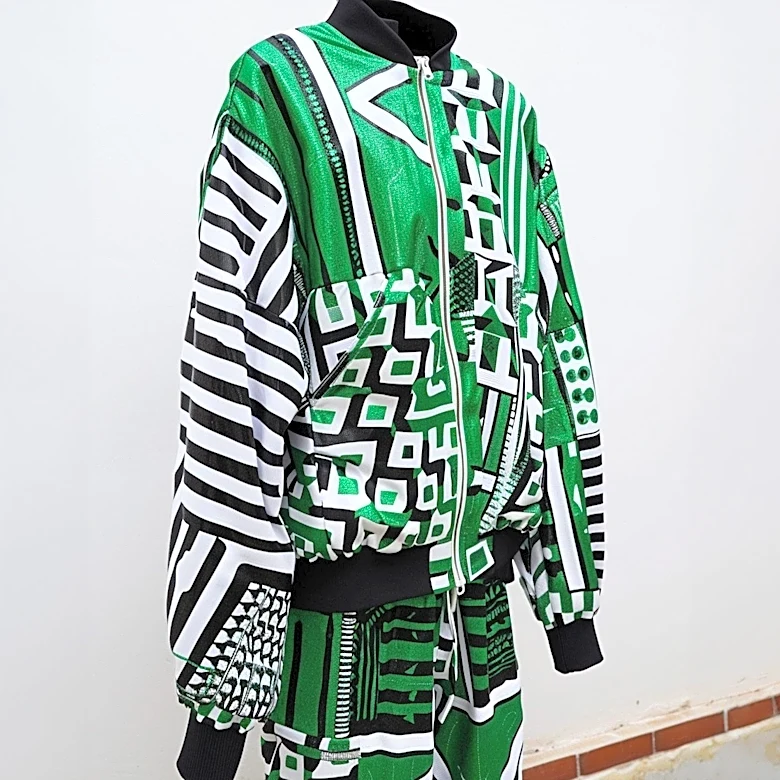
iced mocktails, and personalized fans to combat the high temperatures. Designers like Dries Van Noten and Rick Owens adapted their collections to the weather, opting for lighter, more breathable fabrics. Owens' show featured a collaboration with Adidas, showcasing a tracksuit with an internal cooling system. The extreme heat prompted a shift in fashion choices, with many attendees opting for shorts and sandals instead of traditional suits.
Why It's Important?
The extreme weather conditions during Paris Fashion Week highlight the growing impact of climate change on global events and industries. Fashion designers are increasingly considering environmental factors in their work, as seen in the adaptations made for the heat. This shift could influence future fashion trends, encouraging more sustainable and climate-conscious designs. The event also underscores the need for industries to adapt to changing environmental conditions, potentially leading to innovations in fabric technology and event planning. The fashion industry's response to climate challenges could set a precedent for other sectors facing similar issues.
What's Next?
As climate change continues to affect global weather patterns, the fashion industry may need to further adapt its practices. Designers might increasingly incorporate sustainable materials and technologies to address environmental concerns. Future fashion events could see more proactive measures to mitigate the impact of extreme weather, such as rescheduling shows or utilizing venues with better climate control. The industry's response to these challenges could drive broader discussions on sustainability and environmental responsibility, influencing consumer expectations and industry standards.
Beyond the Headlines
The adaptations made during Paris Fashion Week reflect a broader cultural shift towards sustainability and environmental awareness. As designers and brands respond to climate challenges, there may be increased pressure on the fashion industry to lead by example in promoting eco-friendly practices. This could result in a reevaluation of traditional fashion cycles and a push for more sustainable production methods. The industry's response to climate change could also influence public perceptions and consumer behavior, encouraging more environmentally conscious purchasing decisions.