

What's Happening?
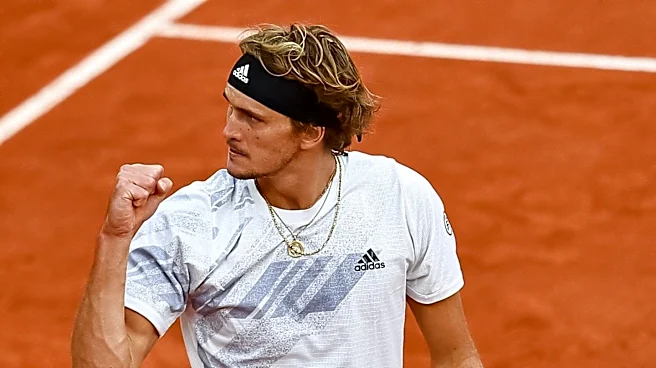
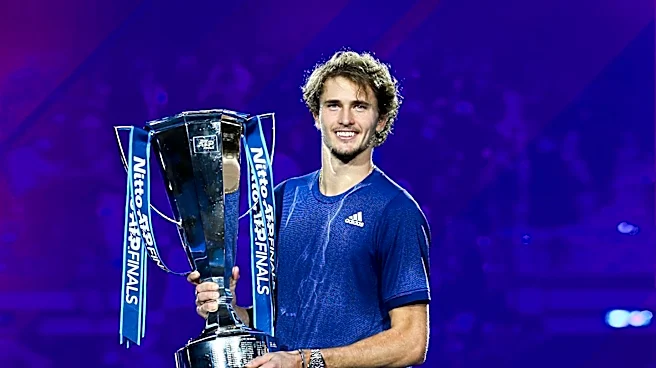
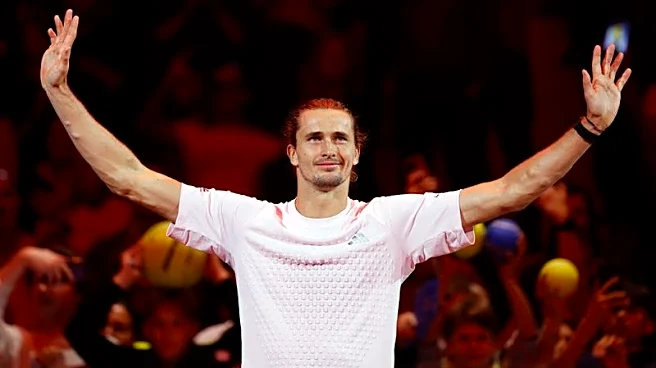
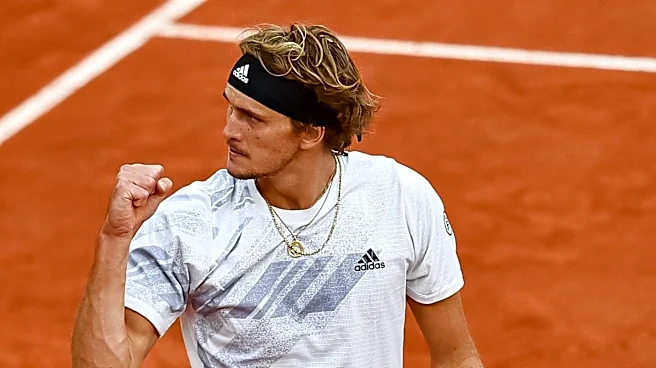
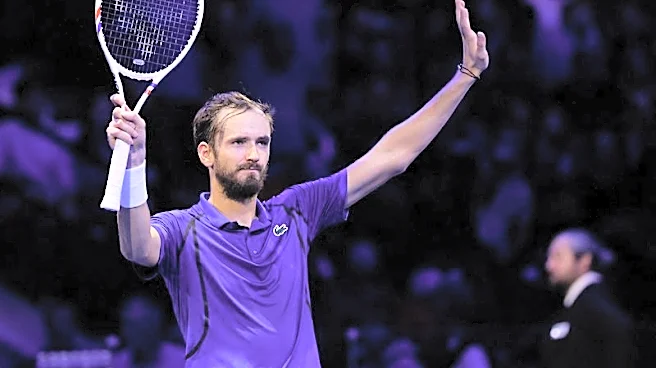
Alexander Zverev is set to become the ATP World No. 1 on Monday, November 2, 2026, making him the 30th player to achieve this feat and the second German man after Boris Becker. His ascent follows a successful season, including Grand Slam titles at Roland
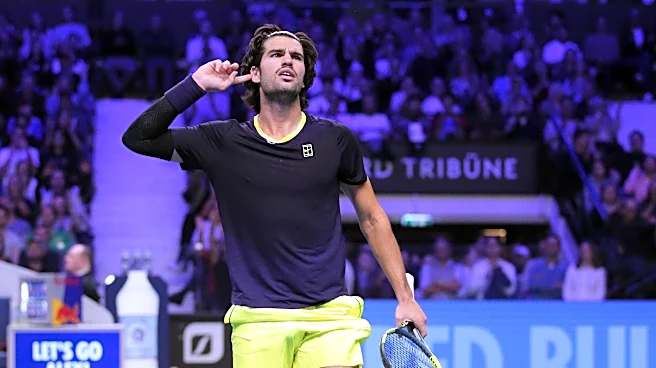
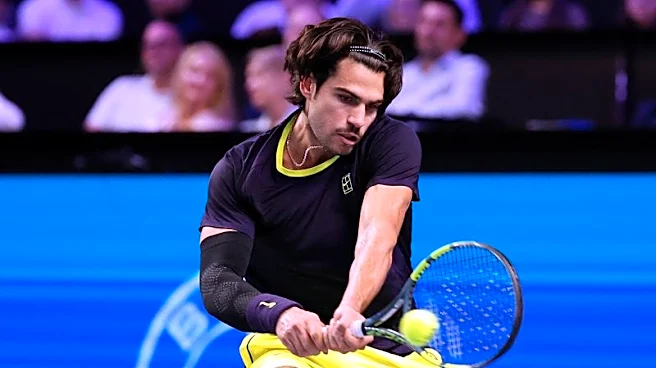
Garros and the US Open. Zverev secured the top spot after his victory over Tallon Griekspoor at the Vienna Open on October 29. At 29 years and 6 months old, he is the second-oldest player to reach World No. 1 for the first time, trailing only John Newcombe, who was 30 in 1974. This achievement comes amidst discussions regarding the injuries of Jannik Sinner and Carlos Alcaraz, who have spent significant time away from competition. Zverev has addressed this criticism, emphasizing that physical fitness and health are integral parts of professional tennis, and he believes his overall campaign, including two Grand Slam wins, merits recognition.
Why It's Important?
Zverev's rise to World No. 1 highlights the demanding nature of professional tennis, where consistent performance and physical resilience are crucial. His comments underscore the importance of fitness in a sport where top competitors like Sinner and Alcaraz have faced injury setbacks. This shift in ranking could influence future strategies for players and coaches, potentially leading to increased focus on injury prevention and comprehensive physical training routines. For the sport's landscape, Zverev's new ranking sets the stage for renewed rivalries, especially as Sinner and Alcaraz are expected to return to full fitness. The debate surrounding his No. 1 status also brings attention to the criteria for ranking, sparking discussions among fans and analysts about what truly defines the best player in the world.
What's Next?
With Zverev now at the top, the tennis world will be watching to see if he can maintain his position against a returning and fully fit Jannik Sinner and Carlos Alcaraz. Zverev has expressed his anticipation for competing against these younger stars for several more seasons, aiming to solidify his standing rather than merely benefiting from their temporary absence. His rigorous five-to-six-hour daily offseason fitness routine, compared to shorter on-court practice, suggests a continued commitment to physical conditioning to prevent injuries and sustain high-level performance. The upcoming tournaments will be critical in determining if Zverev can consistently challenge his rivals and prove his dominance beyond the current circumstances.
Beyond the Headlines
Zverev's achievement and the surrounding debate touch upon broader themes within professional sports, particularly the balance between talent, performance, and physical endurance. The discussion about whether a player 'deserves' a ranking when rivals are injured raises questions about the inherent fairness and competitive integrity of ranking systems. It also highlights the psychological aspect of sports, where athletes must not only perform physically but also manage public perception and criticism. Zverev's emphasis on fitness as a core component of the sport could influence younger players and training methodologies, promoting a more holistic approach to athletic development that prioritizes long-term health and consistency over short-term gains.