




What's Happening?
Telfar Clemens, founder of the fashion brand Telfar, launched his label in 2005 with a focus on genderless streetwear. By 2020, the brand had achieved mainstream popularity, largely due to its emphasis on inclusivity and gender fluidity in design. Telfar's
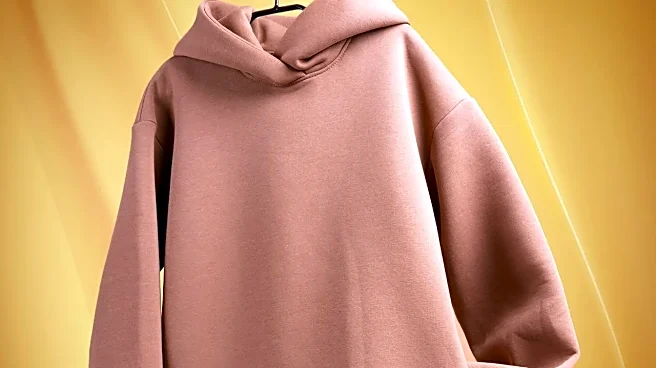
iconic shopping bags have become a signature item, and the brand is recognized for its non-gendered sizing approach. Unlike traditional 'unisex' clothing, which often scales down men's sizing, Telfar's garments are built from neutral sizing blocks, designed from scratch to fit a wider range of body types without leaning towards male or female baselines. This design philosophy involves removing bust darts, tapered waists, and gendered hardware, and utilizing features like drop-shoulder construction and a single grading scale.
Why It's Important?
Telfar's success highlights a significant shift in the fashion industry towards gender-neutral apparel, driven by consumer demand, particularly from Gen Z. This movement challenges traditional retail models that are often structured around binary menswear and womenswear departments. The global gender-neutral fashion market is projected to reach $26.53 billion in 2026 and grow to $54.12 billion by 2034, indicating a substantial economic impact. While the business case for genderless streetwear thrives in direct-to-consumer e-commerce, brick-and-mortar retailers face challenges in adapting their physical layouts. Telfar's approach demonstrates that genuine genderless design, which involves re-engineering patterns rather than simply relabeling scaled-down men's clothing, is crucial for inclusivity and market relevance.
What's Next?
The continued growth of the gender-neutral fashion market suggests that more brands may adopt similar design philosophies to Telfar, moving beyond superficial 'unisex' labels to truly genderless sizing. Retailers will likely need to innovate their merchandising strategies to effectively integrate gender-neutral collections into physical stores, potentially leading to a re-evaluation of traditional department store layouts. The success of brands like Telfar could also inspire further investment in developing neutral sizing blocks that accommodate diverse body types, including curvy and plus-size individuals, addressing current critiques that some 'genderless' streetwear still defaults to a masculine-coded neutral aesthetic. This evolution could lead to a more inclusive and representative fashion landscape.
Beyond the Headlines
The rise of Telfar and genderless streetwear reflects broader societal shifts in identity and expression, particularly among younger generations who prioritize inclusivity and fluidity. This trend challenges long-standing cultural norms embedded in fashion, which have historically reinforced gender binaries through clothing design and marketing. The brand's commitment to non-gendered sizing and accessible luxury, as exemplified by its popular shopping bags, democratizes fashion and allows individuals to express themselves authentically. This movement extends beyond mere aesthetics, influencing ethical considerations in production and marketing, and fostering a more accepting and diverse consumer culture where clothing is seen as a tool for self-expression rather than a strict adherence to traditional gender roles.