
What's Happening?
A new food hall named 'The Old Base Factory' is scheduled to open on August 28 in O'Fallon, Illinois. This establishment will occupy a building that historically served as a manufacturing site for Major
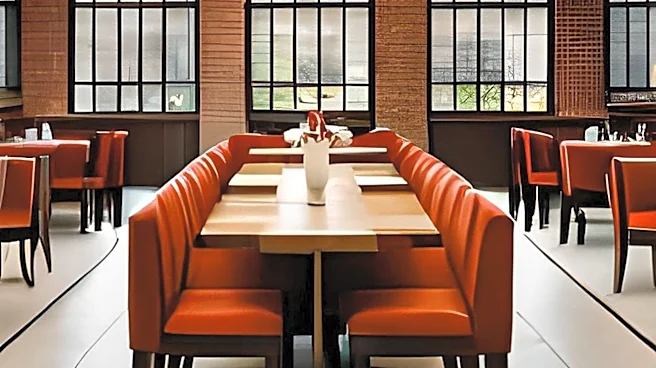
League Baseball bases for over 40 years. The co-owner, Eric Wallace, highlighted the building's rich history and its ideal location next to the O'Fallon Family Sports Park. The food hall aims to provide a diverse culinary experience with six food options and seven different brands, alongside beverages from local craft brewery Urban Chestnut. Offerings will include burgers, pizza, Mexican cuisine, and ice cream. The venue is designed to be family-friendly, featuring dining tables, a game room, a turfed playground with games, a sand pit for toddlers, and a patio. This development is part of a broader trend of rapid growth in food hall concepts across the U.S., with a national consulting firm reporting a 25% increase in projects between 2023 and 2025. The project also includes a partnership with St. Louis-based Rawlings, which will operate a baseball pro shop within the food hall, allowing visitors to see the Rawlings Gold Glove Award and design custom gloves at an interactive kiosk.
Why It's Important?
The opening of 'The Old Base Factory' signifies a significant investment in O'Fallon, Illinois, potentially boosting local economic activity and job creation, with approximately 30 people expected to be employed year-round. The integration of a Rawlings pro shop leverages the building's historical connection to baseball, creating a unique attraction that could draw sports enthusiasts and families, thereby increasing tourism and local spending. This project also reflects a national trend of revitalizing historical industrial spaces into modern community hubs, which can enhance urban development and provide new entertainment options. The food hall's family-friendly amenities, including a playground and game room, cater to a broad demographic, making it a versatile destination for both residents and visitors. Furthermore, the partnership with Currency of Caring, a nonprofit addressing food insecurity, demonstrates a commitment to social responsibility, allowing customers to contribute to providing meals for families in need, which could foster community engagement and support local welfare initiatives.
What's Next?
The Old Base Factory is set to open on August 28, with initial operations focusing on establishing its diverse food and entertainment offerings. The success of this venture will likely be monitored as a case study for similar developments in other suburban areas, particularly those near sports complexes. The partnership with Rawlings and the interactive glove kiosk could evolve, potentially hosting special events or promotions that further engage the baseball community. The collaboration with Currency of Caring will continue, with mechanisms in place for customers to purchase tokens for meals or round up their purchases to support the nonprofit's efforts. If successful, the food hall could expand its offerings or host additional community events, further solidifying its role as a local hub. The developers may also consider replicating this model in other locations, given the reported national growth in food hall concepts.
Beyond the Headlines
The transformation of a former baseball manufacturing facility into a modern food hall highlights a broader cultural shift towards experiential dining and community-centric spaces. This adaptive reuse of industrial heritage not only preserves a piece of local history but also injects new life into the area, fostering a sense of place and identity. The inclusion of an interactive kiosk for custom glove design blurs the lines between retail, entertainment, and personalized experience, catering to a consumer demand for unique and engaging activities. This project also subtly addresses the challenge of balancing commercial development with social impact through its partnership with a food insecurity nonprofit, suggesting a growing expectation for businesses to contribute positively to their communities. The success of such ventures could influence future urban planning and development strategies, encouraging more creative and socially conscious approaches to commercial real estate.