

What's Happening?
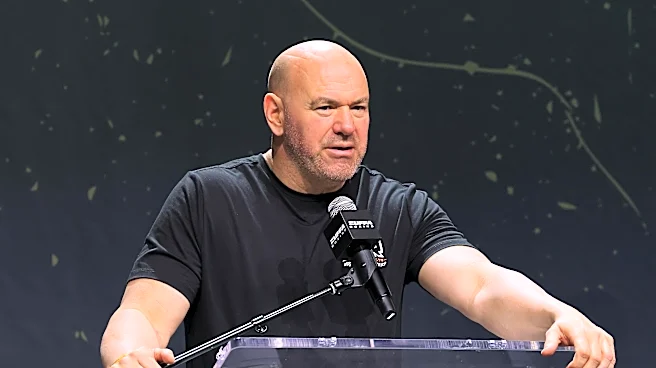
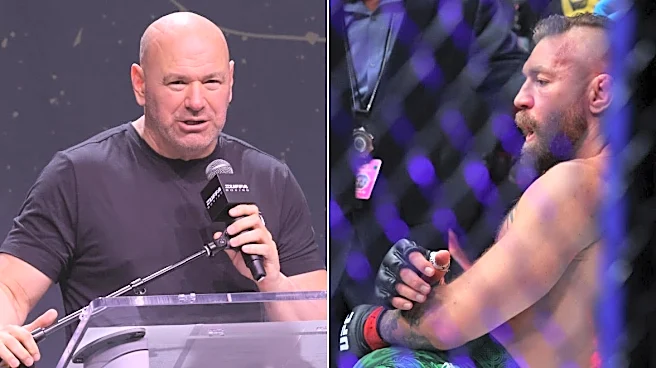
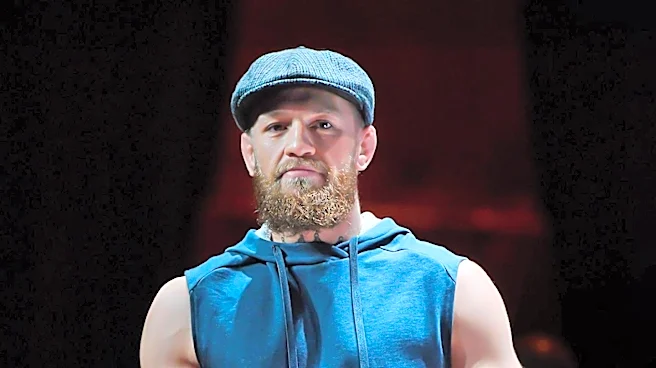
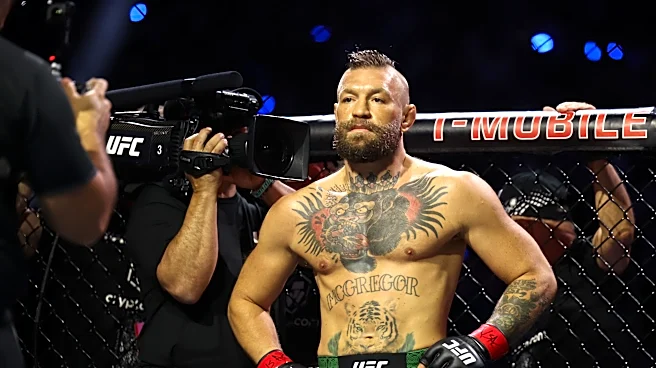
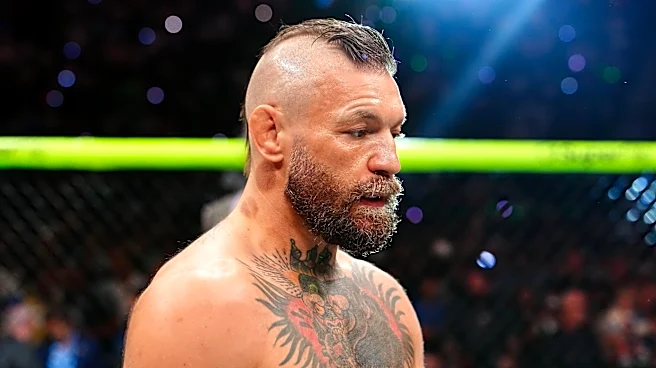
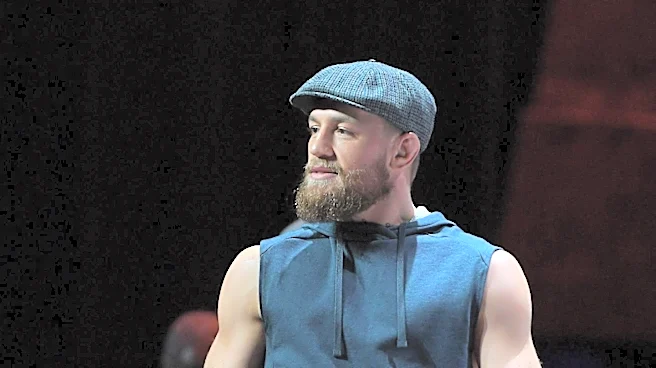
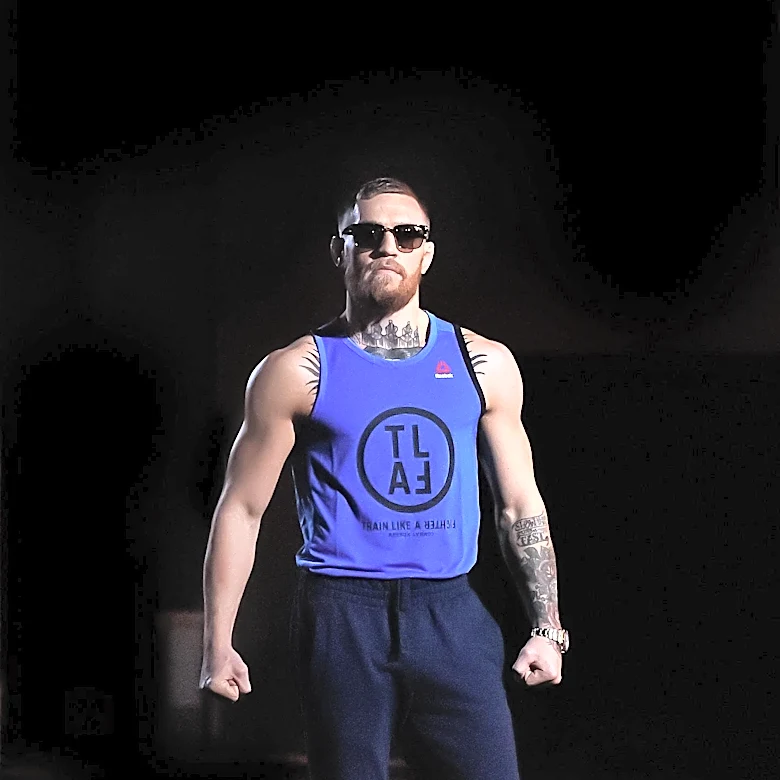
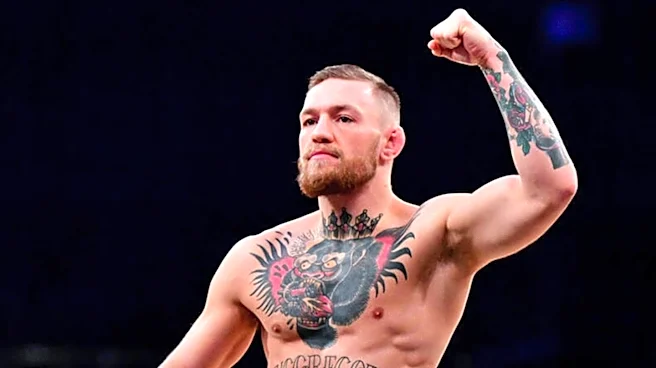
UFC President Dana White has confirmed that Conor McGregor will be out of action for a year following a knee injury sustained during his fight against Max Holloway at UFC 329. McGregor's return to the Octagon was highly anticipated after a five-year hiatus,
but the fight ended abruptly due to a torn ACL. Despite undergoing surgery, McGregor's recovery is expected to take a year, delaying his comeback plans. At 38, McGregor faces challenges in returning to his previous form, but his status as a major draw in the sport remains intact.
Why It's Important?
McGregor's injury and extended recovery period have significant implications for the UFC and its business operations. As one of the sport's most popular figures, McGregor's fights generate substantial revenue and viewership. His absence creates a gap in the UFC's event lineup, impacting promotional strategies and audience engagement. The situation also underscores the physical demands of mixed martial arts and the importance of athlete health and safety. McGregor's eventual return will be closely watched, with potential matchups and his performance likely to influence the UFC's future direction.
What's Next?
As McGregor focuses on his recovery, the UFC will need to strategize on maintaining fan interest and filling the void left by his absence. The organization may explore opportunities to promote other fighters and events to sustain engagement. McGregor's rehabilitation process will be a topic of interest, with updates on his progress generating media attention. When he returns, the UFC will face decisions on potential opponents and event planning, balancing the need for high-profile matchups with McGregor's readiness to compete. The outcome of these efforts will shape the UFC's trajectory and McGregor's legacy in the sport.