


What's Happening?
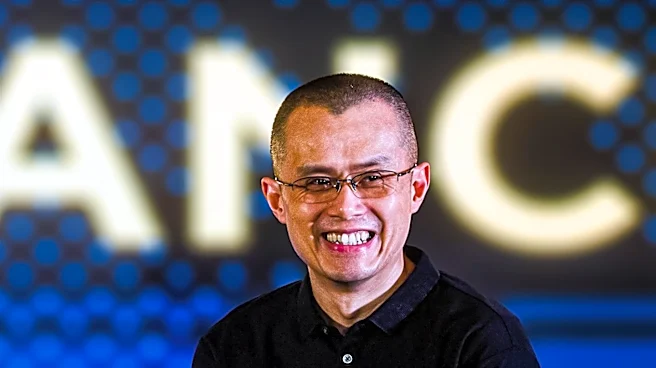
Changpeng Zhao, founder of cryptocurrency exchange Binance, has publicly criticized his portrayal in Netflix's drama series "The Altruists," calling it "effectively defamatory." The series, which premiered on November 19, chronicles the rise and fall
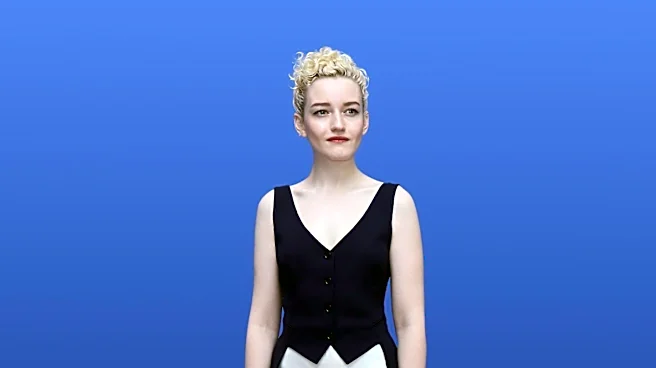
of FTX and its founder, Sam Bankman-Fried. Zhao stated during a fireside chat at "Binance Blockchain Week" in Bangkok on November 28 that he is consulting lawyers regarding potential legal action. He expressed strong dissatisfaction with being depicted as a villain, while Bankman-Fried is portrayed more favorably, suggesting the series might aim to influence public opinion towards a future pardon for Bankman-Fried. Zhao has not watched the full series but has seen clips circulating on social media, which he described as "outrageously false." Former FTX COO Constance Wang also raised concerns about the show's inaccuracies, particularly regarding the depiction of Caroline Ellison's role and Zhao's dialogue, which she described as racially discriminatory.
Why It's Important?
This development highlights the growing tension between the cryptocurrency industry and its representation in mainstream media. A potential defamation lawsuit from a prominent figure like Changpeng Zhao against a major media company like Netflix could set a significant precedent for how crypto-related events and individuals are portrayed in entertainment. Such a legal battle would scrutinize the production process and factual assertions within the script, drawing considerable attention to the intersection of media representation and the crypto world. The outcome could influence future biographical dramas and documentaries about controversial figures or events in emerging industries. Furthermore, it underscores the sensitivity surrounding the narrative of FTX's collapse and the roles played by various actors, potentially shaping public perception of the events and individuals involved.
What's Next?
Changpeng Zhao is currently in the advice-seeking stage and has not yet decided on specific legal steps. Netflix has not issued an official statement regarding Zhao's remarks, indicating the situation remains fluid. If Zhao proceeds with legal action, it would likely involve a detailed examination of the series' script, research, and production decisions. The response from Netflix will be crucial, as it could affect the show's reception, its rollout in other regions, and potentially lead to broader discussions about journalistic integrity and factual accuracy in dramatized accounts of real-world events. The crypto community and legal experts will be closely watching for any further announcements or legal filings from Zhao's team.
Beyond the Headlines
Beyond the immediate legal implications, this situation touches upon broader themes of media ethics, historical revisionism, and the power of narrative in shaping public perception. The portrayal of complex financial events and controversial figures in popular culture often simplifies or dramatizes realities, which can lead to significant public misunderstanding or biased views. Zhao's challenge to Netflix's narrative raises questions about the responsibility of content creators when depicting real individuals and events, especially when those events are still fresh in public memory and involve ongoing legal and financial repercussions. It also highlights the potential for media to influence legal outcomes or public sentiment, particularly in high-profile cases like that of Sam Bankman-Fried.