








What's Happening?
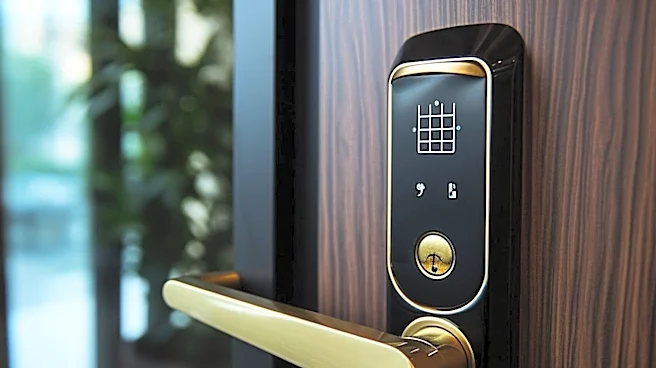
The smart access market is seeing increased adoption of biometric authentication technologies, specifically palm vein and fingerprint authentication. These technologies offer distinct user experiences and product positioning for smart lock distributors
and security solution providers. Fingerprint authentication, familiar from smartphones and laptops, is widely applicable for mainstream residential users, apartments, rental properties, offices, and retail. It can be combined with other access methods like PIN codes, RFID, and mobile apps to create products at various price points. Palm vein authentication, utilizing near-infrared technology to identify vein patterns, is positioned as a more advanced and differentiated option. This technology is particularly relevant for premium residential projects, luxury properties, high-end smart homes, hospitality, and technology-focused developments, offering a higher-level product category.
Why It's Important?
The evolution of biometric authentication in smart locks signifies a shift towards more secure and convenient access solutions in the U.S. market. For businesses, understanding the differences between palm vein and fingerprint authentication is crucial for tailoring product portfolios to specific customer segments. Fingerprint technology offers broad market coverage and scalability, making it a foundational element for distributors aiming for high product volume. Palm vein authentication, while less common, provides an opportunity for product differentiation and premium positioning, catering to a niche market seeking advanced security and a distinctive user experience. This dual approach allows distributors to address a wider range of customer demands and competitive landscapes, ultimately enhancing the overall security infrastructure of residential and commercial properties.
What's Next?
Smart lock distributors are expected to continue evaluating market demands and business strategies to determine the optimal mix of biometric technologies in their offerings. A flexible strategy involving both fingerprint and palm vein authentication will likely become more prevalent, allowing distributors to cater to diverse market segments. For instance, mainstream residential markets may continue to favor fingerprint and PIN combinations, while high-end projects could increasingly adopt advanced biometric solutions like palm vein authentication alongside connected access methods. This trend suggests a future where smart lock portfolios are highly customized, offering various levels of security and convenience to meet specific application requirements in residential, hospitality, commercial, and property development sectors.
Beyond the Headlines
The increasing sophistication of biometric authentication in smart locks raises deeper implications regarding privacy and data security. While these technologies offer enhanced security over traditional methods, the collection and storage of unique biological data, such as fingerprints and palm vein patterns, present potential vulnerabilities. The long-term shift could involve more stringent regulations around biometric data handling and increased consumer demand for transparent data protection policies from smart lock manufacturers. Furthermore, the integration of multiple biometric technologies could lead to a more robust, yet complex, security ecosystem, requiring continuous innovation to prevent potential breaches and ensure user trust. The ethical considerations of using such intimate personal data for access control will likely become a more prominent discussion point as these technologies become more ubiquitous.